Best Spearfishing Wetsuit (2026): Open Cell Seals to Skin and Hates Fingernails
A spearfishing wetsuit is not a surfing wetsuit in camouflage. The good ones are open cell, meaning the inside is raw neoprene that seals directly against your skin with no lining at all. That makes them far warmer and considerably more fragile, and it means you cannot get into one without lubricant.
HobbyStack may earn a commission from links on this page at no extra cost to you. Our picks are chosen on merit; the commission helps fund the research.
- Open cell seals to skin and is much warmer. Lined suits are tougher and cooler.
- You need soapy water or conditioner to put an open cell suit on. Fingernails tear it.
- Two-piece with high-waist trousers beats a one-piece for breath-hold diving.
- 5mm is the general-purpose thickness. Thinner for tropics, thicker for cold.
- Camo works, and matching it to your actual bottom matters more than the pattern.


Open cell, and why it changes everything
Neoprene is a foam full of gas bubbles. How the inside surface is finished is the whole distinction.
A lined suit, which is what almost all surfing and scuba wetsuits are, has fabric bonded to the inside. It slides on easily, resists tearing, and the fabric layer holds a film of water against you that your body has to keep warming.
An open cell suit has no lining. The bubbles are cut open at the surface, leaving a slightly tacky raw neoprene face that suctions directly onto your skin. Almost no water circulates, so there is nothing to keep rewarming, and the same thickness is dramatically warmer than a lined suit.
The costs are real and you should know them before buying:
- You cannot put it on dry. Raw neoprene grips skin hard. You need soapy water, a proper wetsuit lubricant, or hair conditioner poured inside, and the suit goes on wet and slippery.
- It tears easily. A fingernail dragged across the inside will open it up. People cut their nails before getting into one.
- It needs careful rinsing and drying, inside out, out of the sun.
For breath-hold diving the warmth is worth all of that, because you are stationary and waiting rather than swimming hard, and getting cold ends the session long before anything else does.
Thickness, two-piece fit, and whether camo matters
Thickness is set by water temperature, and spearos run thicker than surfers because they are not generating heat.
- 1.5 to 3mm — tropical water, above about 26°C
- 5mm — the general-purpose choice, roughly 18 to 25°C
- 7mm and up — cold water, below about 18°C
All three suits here are 5mm, which is the right default for temperate and subtropical diving.
Two-piece beats one-piece for spearfishing. The standard arrangement is a jacket with an attached hood and a crotch flap, worn over high-waisted trousers that come up to the chest. The overlap at the waist is double-layered, which is the warmest part of the suit and sits right over your core. A two-piece is also far easier to get into, and you can wear just the trousers in warm water.
The Omer Blackstone here is a jacket, so it is half of a two-piece and you buy trousers to match.
A loading pad on the chest is the detail that marks a real spearfishing suit: a reinforced patch where the butt of the gun sits while you load it against your sternum. Without one you wear a hole through the chest quickly.
Camouflage genuinely works, and not for the romantic reason. Fish detect contrast and movement, and a broken-up pattern reduces your outline at distance. What matters is matching the environment: a brown reef pattern on a kelp bottom, blue pelagic patterns for open water. The Lampuga here is a pelagic pattern, intended for blue water rather than reef.
 Best for building a two-piece
Omer Blackstone 5mm Men's Camo Wetsuit Jacket, Gray
A 5mm camouflage jacket from Omer, who make spearfishing equipment specifically rather than adapting surf gear, and buying the jacket alone is a sensible route: you add high-waisted trousers to suit your water and replace whichever half wears out first. Five millimetres covers temperate and subtropical diving. It is a jacket only, so this is not a complete suit, and the camouflage is a general pattern rather than matched to a specific bottom.
What's good
- From a dedicated spearfishing brand
- 5mm suits temperate and subtropical water
- Buying halves separately lets you mix thicknesses
- Cheapest way into a proper two-piece
What's not
- Jacket only, so you must buy trousers too
- General camo rather than habitat-matched
- Open cell interior needs lubricant to don
- Sizing runs close, so check the chart
 Best for most spearos
Cressi Lampuga 5mm, Camouflage Pelagic Fish, L
A 5mm suit in a pelagic camouflage pattern, meaning blues and broken light rather than reef browns, which is the right choice if you dive open or blue water rather than close structure. Cressi have made freediving equipment since 1946 and the fit reflects it, cut for the compressed posture of a breath-hold diver rather than for swimming. Camouflage matched to the wrong environment works against you, so check what your bottom looks like.
What's good
- Pelagic pattern suited to blue water diving
- Cut for breath-hold posture, not swimming
- Cressi have made freediving gear since 1946
- 5mm is the right general-purpose thickness
What's not
- Pelagic camo is wrong over reef or kelp
- Over twice the Omer jacket
- Open cell needs lubricant and careful handling
- Sized rather than adjustable
 Best for cold water
CRESSI Tracina Jacket Wetsuit 5mm M/3
Cressi's higher-specification 5mm jacket, and what you are paying for is the construction detail that keeps water out rather than extra thickness: better seals at the wrists, ankles and face, and a more precise cut so there is less volume for water to move through. In cold water that flushing is what actually makes you cold, far more than the millimetre rating. It is nearly three times the Omer jacket for the same nominal thickness.
What's good
- Better seals at wrists, ankles and face
- More precise cut means less water flushing
- Warmer than its thickness rating suggests
- Cressi build quality throughout
What's not
- Nearly three times the Omer for the same 5mm
- Still a jacket, so trousers are extra
- Tight cut is unforgiving of sizing errors
- Open cell fragility applies as always
Shallow water blackout kills experienced freedivers, not just beginners. Hyperventilating before a dive lowers carbon dioxide so the urge to breathe arrives late or not at all, and you can lose consciousness without warning on the way up. Dive with a buddy using one-up-one-down, so somebody is always watching the diver. Never hyperventilate, never push a breath-hold alone, and take a freediving course before you take a gun in the water.
Getting into it and keeping it alive
Lubricate generously. Soapy water in a bottle, a dedicated wetsuit lube, or cheap hair conditioner mixed with water. Pour it inside, slosh it around, and the suit slides on. Dry skin and raw neoprene do not negotiate.
Cut your fingernails. The commonest way an open cell suit gets damaged is the owner putting it on.
Go slowly over heels and shoulders. Those are where the material stretches most and where tears start.
Rinse in fresh water inside out, every time. Salt crystals in open cell neoprene abrade it from within and stiffen it.
Dry inside out, out of direct sun. UV destroys neoprene faster than anything else you will do to it.
Store on a wide hanger or folded loosely, never creased on a thin hanger, which puts permanent fold lines into the foam and kills the insulation along them.
Repair tears immediately with neoprene cement. A small tear becomes a long one the next time you put the suit on.
Weight changes with thickness. A thicker suit is more buoyant, so your weight belt needs rebalancing whenever you change suits. Check neutral buoyancy at about ten metres, not at the surface.
Before you buy
Open cell for warmth, lined if you want durability and easy donning.
Two-piece with high-waist trousers for breath-hold diving.
Match the thickness to your water temperature, not to the brochure.
Match the camo pattern to your actual bottom.
Check it has a chest loading pad.
Spearfishing wetsuit questions
What is an open cell wetsuit?
How do I put an open cell suit on?
What thickness do I need?
Does camouflage actually work?
The Cressi Lampuga is the one to buy for most people diving blue water: a proper 5mm freediving cut from a maker who has been at it since 1946, in a pattern suited to open water. Build a two-piece around the Omer Blackstone jacket if you want to spend less and mix thicknesses. Pay for the Tracina if you dive cold and the seals matter. Then get trained before you take a gun in.
Ready to actually do it?
The first spearfishing quest takes an evening, and it tells you whether the gear was worth it better than any review can.
Start SpearfishingThe HobbyStack editorial team researches each guide using practitioner communities, published resources, and direct input from active hobbyists. Every guide is reviewed for accuracy before publication and updated when practices change.
About our editorial process →More gear guides
All guides
Best Spearfishing Mask (2026): Low Volume Is the Whole Point
On a breath-hold dive every bit of air you own is in your lungs, and a mask takes some of it away from you. The deeper you go the harder the mask squeezes onto your face, and the only way to relieve it is to blow air out of your nose into the mask. A smaller mask asks for less of that air.

Best Backpacking Sleeping Pad (2026): R-Value Decides This, Not Thickness
The ground takes more heat off you overnight than the air does, which is why people in expensive sleeping bags still wake up cold. The number that fixes it is R-value, and since 2020 it has been a standardised measurement, so for the first time you can compare one brand against another honestly.
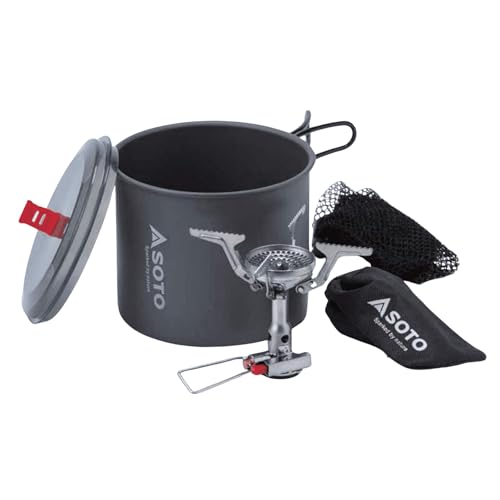
Best Backpacking Stove (2026): Boil Water Fast or Actually Cook
Almost every thru-hiker eats food that only needs boiling water, which makes "how fast does it boil and how little fuel does it use" the question that matters. But if you cook rather than rehydrate, the fastest stove here is also the one that cannot hold a simmer, and that trade is the whole decision.

Best Beginner Hiking Backpack 2026: Osprey Daylite vs Talon vs Atmos
The right hiking backpack depends on one number: how long you plan to be out. Day hike → 20–30L. Overnight → 33–45L. Multi-day → 50–65L. Get the volume wrong and you're either cramming gear into too little space or hauling empty weight all day. Here are three Osprey packs, each sized for a different stage of hiking, that will outlast your beginner phase.

Best Beginner Hiking Boots 2026: Merrell Moab 3 vs Salomon X Ultra 4
Your first hiking boots need to do three things: not blister you, stay dry on wet trails, and grip technical terrain. The Merrell Moab 3 Waterproof checks all three for around $130. Here are three real boots: a non-waterproof breathable option, the waterproof all-rounder, and a stiffer upgrade for rocky terrain, each with a confirmed Amazon link.
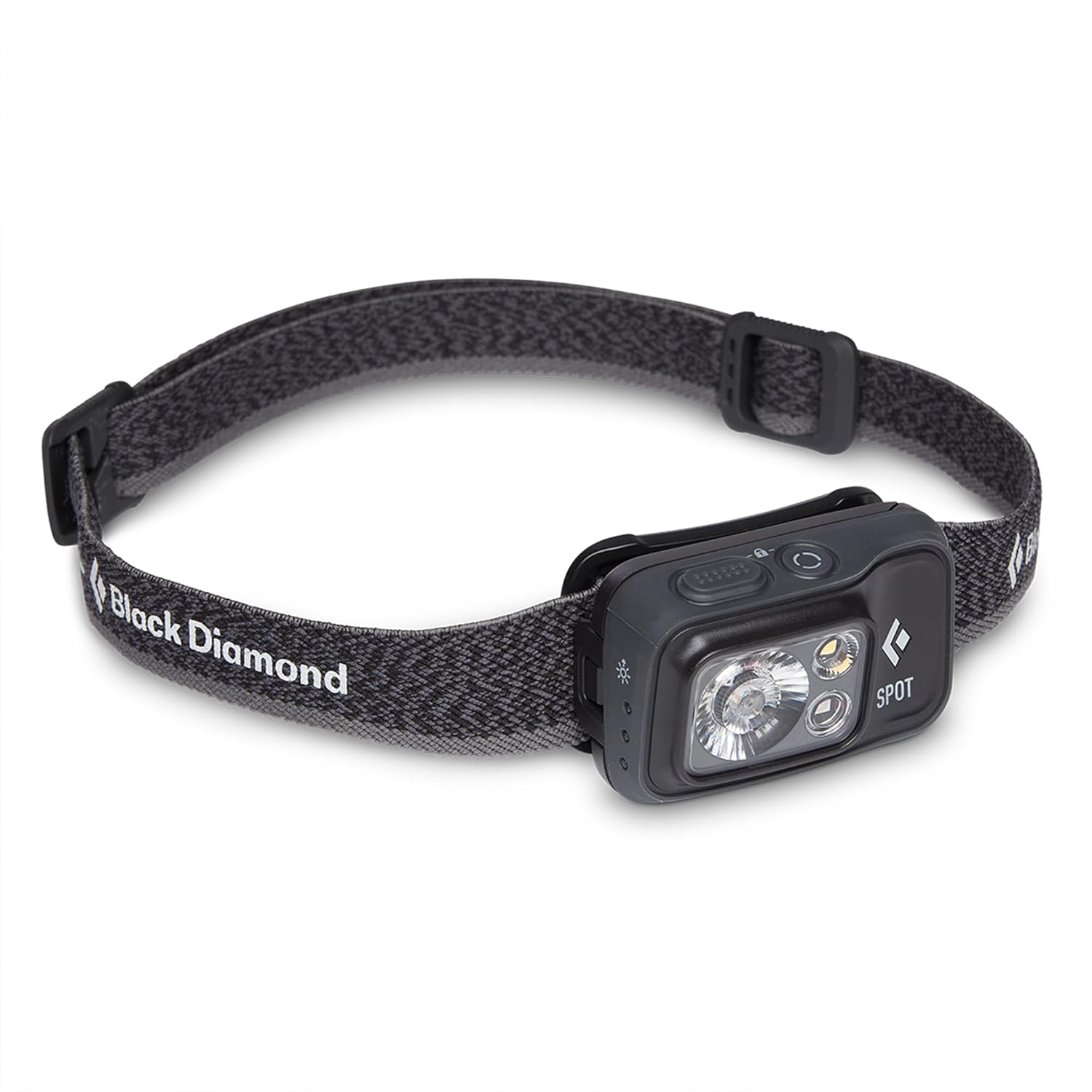
Best Beginner Hiking Headlamp 2026: GearLight vs Black Diamond vs Petzl
A headlamp is not optional: it belongs in your pack on every hike, even day hikes. Trailhead emergencies, slower-than-planned descents, and headlamp-only summit attempts all happen. The question is which one to bring. Here are three picks across the price spectrum: a sub-$25 backup pair, the consensus day-hiking lamp, and Petzl's rechargeable powerhouse for longer days.