Best Meat Thermometer for Smoking (2026): Temperature Is the Whole Skill
Almost everything that goes wrong on a smoker is a temperature problem, and almost nobody can see temperature. Barbecue is not cooked to a time, it is cooked to a number, and a cheap thermometer removes more guesswork per pound than any upgrade to the smoker itself. The three types below solve genuinely different problems.
HobbyStack may earn a commission from links on this page at no extra cost to you. Our picks are chosen on merit; the commission helps fund the research.
- Cook to temperature, never to time. Time per pound is a planning estimate, not an instruction.
- You want two numbers: what the meat is doing and what the cooker is doing.
- Instant-read is for spot checks. A leave-in probe is for the eight-hour cook.
- The dome thermometer on the lid is reading the air near the lid, not near your meat.
- Brisket and pork shoulder finish on feel, not a number. The probe should slide in with no resistance.
 TempPro TP19H Instant ReadSpot checks$15Check price
 Our pickTempPro TempSync WirelessLong cooks$44Check price
 MEATER PlusNo cable at all$80Check price
The two numbers that matter
One temperature is not enough, and this is where most people go wrong.
Meat temperature tells you how done it is. It is the only thing that decides whether a chicken is safe or a steak is medium rare, and it is not negotiable.
Cooker temperature at grate level tells you whether the fire is doing what you think. This is the one people skip, because the smoker already has a dial in the lid — and that dial sits several inches above the food in a different pocket of air, often reading 20 to 50 degrees away from what the meat is actually sitting in.
A dual-probe thermometer gives you both: one probe in the meat, one clipped near it reading ambient. Once you can see both, the whole thing becomes legible. The fire dropping shows up as the ambient number falling long before the meat notices, and you can fix it before anything is ruined.
That is why the dual-probe unit is the pick here rather than the cheapest or the cleverest.
The stall, and why you should not panic
Every first brisket produces the same phone call. The meat climbed steadily to about 150-165°F and then stopped, for hours, with the fire still going.
This is the stall, and it is evaporation. Moisture coming to the surface of the meat evaporates and cools it at almost exactly the rate the fire is heating it. Nothing is broken.
Three responses. Wait it out, which gives the best bark and takes the longest. Wrap it in foil or butcher paper, which cuts evaporation and pushes through the stall much faster — foil is fastest and softens the bark, paper is slower and keeps more of it. Or raise the temperature, which works but risks drying the outside.
What you should not do is open the lid repeatedly to check, because every look costs you heat and time. That is the entire argument for a leave-in probe: you get the number without opening anything.
 Best for spot checks
TempPro TP19H 1 Sec Digital Meat Thermometer for Cooking
A one-second instant read to ±0.9°F, which is the tool you use at the end rather than throughout. It wakes when you open the probe and sleeps when you fold it, so it is genuinely ready when you want it, and the display auto-rotates 180 degrees so the numbers face you whichever hand you hold it in. The magnetic back means it lives on the side of the smoker instead of in a drawer, which is most of whether you actually use it. NSF certified, IP65 so it can be rinsed, and it has a calibration function worth using once a year. One thing to know: ThermoPro has rebranded to TempPro, and the listing says either brand may arrive in the box.
What's good
- One-second reading to ±0.9°F
- Magnetic back keeps it on the smoker, not in a drawer
- Auto-rotating backlit display works either-handed
- Rinsable and calibratable
What's not
- You have to open the lid to use it
- No use at all for tracking a long cook
- Single reading only, no ambient
- Branding is mid-transition, so either name may arrive
 Best for long cooks
TempPro TempSync 500FT Wireless Meat Thermometer
Two probes and a handheld receiver, which is the combination that actually changes how you cook. One probe goes in the meat and one clips near it to read the air the food is sitting in, so you can finally see the fire dying an hour before the meat would have told you. It uses radio rather than Bluetooth, at up to 500 feet, so the signal reaches indoors through a wall where a phone-based thermometer drops out at the back door. There is no app and no pairing, which sounds like a downgrade and is the opposite: it works the moment you switch it on and it will still work in five years when the app has been abandoned. USDA presets for ten meats, and a countdown timer.
What's good
- Dual probe — meat and grate temperature together
- Radio, not Bluetooth, so 500ft through walls
- No app, no pairing, nothing to abandon
- USDA presets and a timer built in
What's not
- Cables run out of the smoker and can get pinched
- Receiver is another thing to keep charged and not lose
- Probes wear out and need replacing eventually
- Less elegant than a fully wireless probe
 Best with no cable at all
MEATER Plus Smart Meat Thermometer
Entirely wire-free: the whole probe goes into the meat and there is nothing trailing out of the smoker to pinch in the lid or catch when you turn a shoulder. It carries two sensors, reading the meat internally to 212°F and the ambient air at the other end to 527°F, so you still get both numbers that matter. The charger doubles as a Bluetooth repeater, which extends the range to about 165 feet, and the app estimates when the cook will finish. Two honest limits: 165 feet of Bluetooth is genuinely less reach than a radio receiver through a house, and the whole thing depends on an app and a phone, which is a dependency a plain receiver does not have.
What's good
- Truly wireless — nothing trails out of the smoker
- Reads internal and ambient from one probe
- Charger doubles as a range repeater
- App estimates the finish time
What's not
- 165ft Bluetooth is less reach than radio
- Depends on a phone and an app that must keep working
- One probe, so one piece of meat at a time
- Needs charging before a long cook
A dome thermometer measures the air a few inches under the lid, not the air around your food, and on most cookers those differ by 20 to 50 degrees. It is also usually uncalibrated. Put a probe at grate level next to the meat and cook to that number instead. On many smokers this single change is the difference between a dry cook and a good one.
The temperatures worth knowing
A short list covers nearly everything that comes off a smoker.
Chicken and turkey — 165°F in the thickest part of the breast, and thighs are better nearer 175°F because dark meat improves past the safety point rather than drying out.
Pork and beef whole cuts — 145°F and a rest. This is a steak or a loin, not barbecue.
Brisket and pork shoulder — 195 to 205°F, and this is the one that confuses people, because those are far past done. Tough cuts are full of collagen, which only melts into gelatin at that range and over hours. Pulling a shoulder at 165°F gives you safe, cooked, inedible meat.
Ribs ignore numbers. Test by lifting one end with tongs: when the surface cracks and the rack bends most of the way over, they are ready.
And for the big cuts, feel beats the number. Probe in several places; when it slides in like room-temperature butter with no resistance anywhere, it is done, whatever the display says.
Before you buy
Get something that reads meat AND grate temperature. One number is not enough.
Instant-read is a second tool, not a first — you cannot track a cook with it.
Radio beats Bluetooth for reach through a house.
Check probes are replaceable. They are the part that fails.
Calibrate in ice water once a year: it should read 32°F.
Meat thermometer questions
Do I need a leave-in probe or an instant read?
Why is my brisket stuck at 160°F?
Is the thermometer in my smoker lid accurate?
What temperature is brisket done at?
Buy the dual-probe wireless set. Being able to see the meat and the grate at the same time is what turns smoking from guesswork into something you can steer, and radio reaches through a house where Bluetooth gives up at the back door. Add the instant read later for spot checks and steaks. The MEATER is the nicer object and the better party trick, but it depends on an app and reaches less far. And stop trusting the dial in the lid.
Ready to actually do it?
The first bbq & smoking quest takes an evening, and it tells you whether the gear was worth it better than any review can.
Start BBQ & SmokingThe HobbyStack editorial team researches each guide against manufacturer specifications, published resources and practitioner sources. Every product is checked for availability and described against its current listing before publication, and prices are re-checked when guides are updated.
About our editorial process →More gear guides
All guides
Best Smoker for Beginners (2026): 3 Real Picks
A smoker is the tool that turns tough, cheap cuts into brisket and ribs by cooking them low and slow in wood smoke for hours. For a beginner, the single most important thing is not size or brand but how easy it is to hold a steady temperature, because that is what low-and-slow really is: keeping a box at 225 to 275 degrees for six to twelve hours. An electric smoker does that almost automatically, which is why it is the easiest place to start; charcoal and pellet give more flavor and control but ask more of you. Here are three good ones across the range, plus what actually matters when you choose.
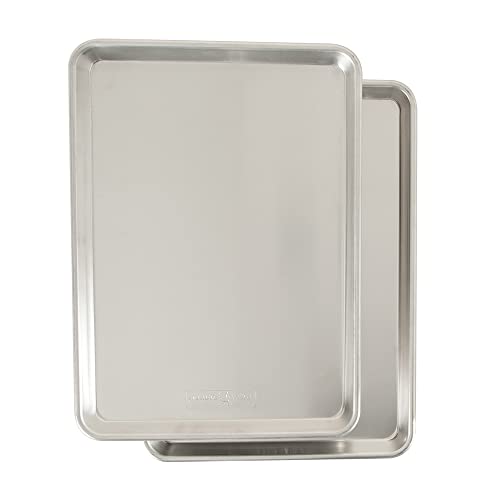
Best Baking Sheet for Beginners (2026): Why Half-Sheet Aluminium Wins
A baking sheet is the most-used pan in most kitchens and the one people spend least time choosing. The cheap ones warp with a bang the first time they hit a hot oven, and a warped sheet cooks unevenly forever after. The fix is not expensive: a heavy half sheet in bare aluminium with a rolled rim, which is what professional kitchens have used for decades.

Best Beginner Stand Mixer 2026: KitchenAid Artisan vs Classic vs Pro 600
Stand mixers are a one-time purchase that lasts decades. Pick the right KitchenAid (it's almost always going to be a KitchenAid) and you'll never need to think about it again. Pick wrong and you'll end up reselling and rebuying within 5 years.

Best Kitchen Scale for Baking 2026: Escali vs Ozeri vs OXO
A kitchen scale is the single most important tool in baking: weight is exact where measuring cups aren't, and switching to grams is the fastest way to make your recipes finally come out the same every time. The good news: accuracy is basically a solved problem, so the real choice isn't which scale weighs best (they're all spot-on) but which features you want. Here's the honest breakdown.
Best Mixing Bowls for Baking (2026): Stainless, Glass or Plastic
Mixing bowls are the piece of kit people own by accident — whatever came with the house, in whatever sizes. It mostly does not matter, with one real exception: plastic bowls will stop egg whites whipping, and almost nobody is told why. Beyond that it is about weight, nesting, and owning three rather than one.
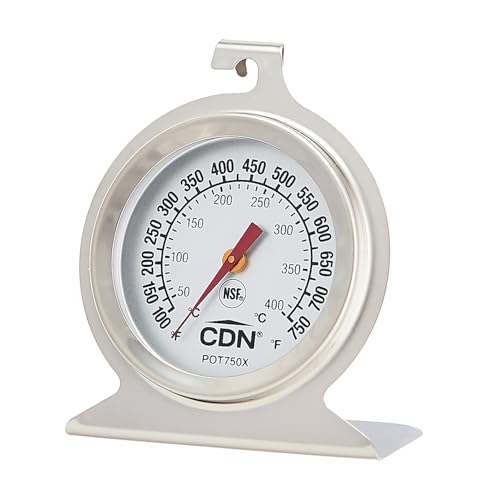
Best Oven Thermometer (2026): Your Oven Is Probably Lying to You
Set a home oven to 350°F and there is a good chance it is sitting anywhere between 315 and 390. The dial is a request, not a measurement, and the difference is the reason a recipe that works for everyone else comes out pale and raw in the middle at your house.