Best Mushroom Grow Kit for Beginners (2026): Spray-and-Grow to Monotub
A mushroom grow kit is the easiest way into growing your own: the simplest ones are a block you open, mist daily, and harvest gourmet mushrooms from in a couple of weeks, with nothing to sterilize and no experience needed. Here are three good ones, from a foolproof spray-and-grow box to a full monotub setup you inoculate yourself.
HobbyStack may earn a commission from links on this page at no extra cost to you. Our picks are chosen on merit; the commission helps fund the research.
- The easiest kits are foolproof: open the box, mist it daily, and harvest gourmet mushrooms in about two weeks. No sterilizing, no experience.
- Spray-and-grow kits come already colonized. All you add is water and a little light. Great for a first grow.
- A monotub is the step up: you inoculate grain and substrate yourself and grow a much bigger harvest. It needs cleanliness but no lab.
- Contamination is the main thing to manage as you scale up. Clean hands and clean air matter more than fancy gear.
 Back to the Roots Organic Oyster Mushroom Grow KitThe foolproof first grow$14Check price
 Our pickNorth Spore Organic Lion's Mane Spray & Grow KitThe best-quality easy kit$30Check price
 Myco Labs Large 66Q Monotub Grow KitA real setup you grow into$100Check price
A grow kit removes every hard part of mushroom cultivation and leaves the fun part: watching them appear, often overnight. The simplest kits are a block of substrate that is already fully colonized with mushroom mycelium, sealed in a box. You open a window in the box, mist it with water once or twice a day to keep the humidity up, give it indirect light, and within one to two weeks it fruits gourmet mushrooms you cut and cook. There is nothing to sterilize, nothing to inoculate, and it is genuinely hard to fail, which makes it the perfect way to find out whether growing hooks you.
Once it does, the natural next step is a monotub. Instead of a pre-colonized block, you get grain spawn bags and bulk substrate, inoculate the grain with the spores of your chosen mushroom, let it colonize, then mix it into the substrate in a ventilated tub to fruit a much larger harvest. It asks more of you, mainly cleanliness to avoid contamination, but it needs no pressure cooker or lab and it is where hobby growers really start producing. The three picks here follow exactly that arc, from foolproof box to a first monotub.
 Best budget kit
Back to the Roots Organic Oyster Mushroom Grow Kit
The most foolproof way to grow a mushroom, ever. Back to the Roots is the classic countertop kit: the box arrives already colonized, and all you do is open the front, mist it with the included sprayer a couple of times a day, and watch a cluster of gourmet oyster mushrooms erupt in about ten days. It is 100% organic, made in the USA, and comes with a grow guarantee. It is one main harvest, maybe a small second, but as a first grow, or a gift, it is cheap, easy, and genuinely delightful.
What's good
- Arrives colonized: just open and mist
- Harvest gourmet oysters in ~10 days
- Organic, non-GMO, grow guaranteed
- Cheapest, easiest possible start
What's not
- One main harvest (maybe a second flush)
- Small yield vs a bigger setup
 Best for most beginners
North Spore Organic Lion's Mane Spray & Grow Kit
The kit that grows something special and does it well. North Spore is the trusted name in home mycology, and this spray-and-grow kit is just as easy as a basic box (open, mist, harvest) but produces plump, shaggy, gourmet lion's mane that is a treat to grow and eat. Each 4 lb USDA-organic kit yields around half a pound to a pound and a half on the first flush, in roughly two to three weeks. It is the no-overthinking pick: the same effortless method, better mushrooms, from people who clearly know their craft.
What's good
- Grows impressive gourmet lion's mane
- Same easy open-and-mist method
- USDA organic, 0.5 to 1.5 lb first harvest
- From a trusted mycology brand
What's not
- Costs a little more than a basic box
- Still a countertop kit, not bulk growing
 Best to grow into
Myco Labs Large 66Q Monotub Grow Kit
The kit for when a countertop box is no longer enough. Rather than a pre-colonized block, the Myco Labs monotub gives you the whole bulk-growing setup: a large 66-quart tub with airflow and humidity control, two sterilized grain spawn bags, bulk substrate, a casing layer, and filters. You inoculate the grain with the spores of an edible or medicinal mushroom, let it colonize, mix it into the substrate, and fruit a far larger harvest than any box. It asks for cleanliness, not a lab, and it is the genuine step into the hobby.
What's good
- A complete bulk-growing monotub setup
- 2 grain bags, substrate, filters included
- Much bigger harvest than a countertop box
- No pressure cooker or lab needed
What's not
- You inoculate and manage contamination
- More involved than a spray-and-grow kit
As you move from a sealed box to a monotub, the one skill that matters is cleanliness, because contamination (mould and bacteria) is what ruins grows, not a lack of expensive equipment. Work in a still, clean space, wash your hands and wipe surfaces with alcohol, and open spawn bags as little as possible. Get that right and a simple monotub will out-produce any amount of gadgetry.
Which to buy: want the cheapest, most foolproof first grow? The Back to the Roots oyster box. Want the same easy method but a more special, higher-quality mushroom? The North Spore lion's mane kit is the pick for most. Ready to grow a real harvest and inoculate it yourself? The Myco Labs monotub.
Before you buy
Mist spray-and-grow kits once or twice a day to keep humidity up. Dry air is the usual reason a kit underperforms.
Give kits indirect light, not direct sun. Mushrooms do not photosynthesize, but light tells them which way to fruit.
Harvest just before the caps fully flatten or curl up, for the best texture and to encourage a second flush.
When you move to a monotub, keep everything clean: wipe surfaces with alcohol and handle grain spawn as little as possible.
Mushroom grow kit questions
How does a mushroom grow kit work?
Which mushroom should a beginner grow?
What is a monotub and is it hard?
Do grow kits keep producing?
What is the hardest part of growing mushrooms?
Are these kits for edible mushrooms?
For most beginners the North Spore lion's mane kit is the pick: as easy as any box (open, mist, harvest) but it grows a special, high-quality mushroom from people who know mycology. Want the cheapest, most foolproof first grow? The Back to the Roots oyster box. Ready to inoculate your own and grow a real harvest? The Myco Labs monotub. Whatever you choose, keep it humid, give it indirect light, and keep things clean as you scale up.
Ready to actually do it?
The first mycology quest takes an evening, and it tells you whether the gear was worth it better than any review can.
Start MycologyThe HobbyStack editorial team researches each guide against manufacturer specifications, published resources and practitioner sources. Every product is checked for availability and described against its current listing before publication, and prices are re-checked when guides are updated.
About our editorial process →More gear guides
All guides
Best Stereo Microscope for Entomology (2026): 3 Real Picks for Studying Insects
The moment you want to identify an insect, you need a stereo microscope, and it is worth being clear that this is the right type. A stereo (or dissecting) microscope gives a low-power, upright, 3D view of a whole specimen on the stage, which is how you examine a pinned beetle or a fly's wing. It is a different tool from the compound microscope from biology class, which magnifies far more but only sees thin slides. For entomology you want roughly 10X to 45X, good working distance, and enough light. Here are three good ones across the range.

Best Handheld Anemometer (2026): Where You Stand Changes the Reading
Wind speed is quoted at ten metres above open ground, because that is the standard. Standing in a garden holding a meter at chest height behind a fence, you will read a fraction of the real figure, and no instrument fixes that. Where and how you measure matters more than what you measure with.
Best Home Weather Station (2026): 3 Picks from Starter to Pro
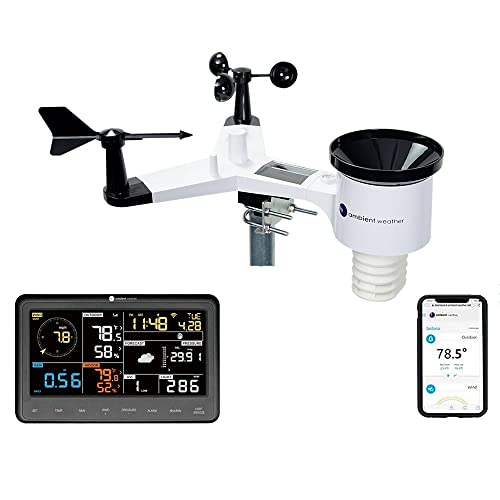
A home weather station puts a sensor outside that measures your own backyard's temperature, humidity, wind, and rain, and sends it to a display, and often a phone app, indoors. The big decision is how much accuracy you want and whether you want it connected to WiFi. All three here are complete all-in-one stations, from an easy, affordable starter to a professional-grade unit that serious weather watchers keep for years.

Best Archaeology Trowel (2026): One Piece of Forged Steel, Four Inches Long
An archaeology trowel is a pointing trowel from a bricklayer, borrowed wholesale, and the profession is unusually specific about it. Four to five inches, one piece of forged high-carbon steel from tip to tang, and a blade that will be worn down to a stub over a career. Welded trowels snap at the neck, and everyone has seen it happen.

Best Pottery Tool Set (2026): Six of the Twelve Do Nearly Everything
Open a twelve-piece pottery set and six tools will do nearly all your work: the wire cutter, a wooden rib, a metal rib, a loop trimming tool, a sponge and a needle tool. The rest get picked up once, found to duplicate something, and left in the canister for years.

Long Blade Freediving Fins (2026): Stiffness Is Matched to Your Legs, Not Your Ambition
Long blades are not about speed. A long blade moves a large volume of water per kick, so you cover distance at a slow, unhurried cadence instead of a fast one, and on a breath-hold the thing you are conserving is oxygen. A stiff blade you cannot load properly burns more of it than a soft blade you can.