Best Beginner Woodworking Chisels 2026: REXBETI vs Irwin Marples vs Narex
A set of bench chisels is one of the first hand tools every woodworker needs: they pare joints, clean up saw cuts, and do the detail work a saw can't. Here are three beginner picks you can buy on Amazon, from a cheap set that includes its own sharpening stone to a buy-it-once Czech set, plus the four sizes you actually need.
HobbyStack may earn a commission from links on this page at no extra cost to you. Our picks are chosen on merit; the commission helps fund the research.
- For most beginners, the IRWIN Marples 4-piece set (~$45) is the standard pick — good Sheffield steel, comfortable handles, holds an edge, widely available.
- On a budget, the Amazon Basics 6-chisel set (~$30) includes a sharpening stone and honing guide — the cheapest way to start and learn to sharpen in one box.
- Going all-in? Narex (~$70) is Czech-made with noticeably better edge retention — a buy-it-once set.
- You only need four widths to start: roughly 6, 12, 19, and 25mm (1/4, 1/2, 3/4, 1 in).
- Sharp beats expensive. A cheap chisel that's sharp out-cuts a pricey one that's dull — which is why a set with a stone in the box is such a good start.
 Our pickIRWIN Marples 4-Piece Wood Chisel Set (1885164)Most beginners$43Check price
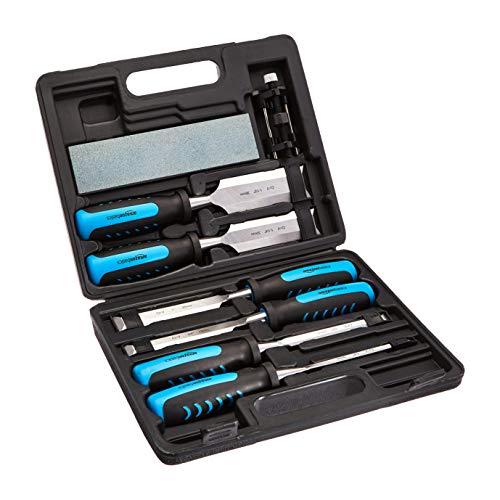 Amazon Basics 8-Piece Wood Chisel SetLearning to sharpen$33Check price
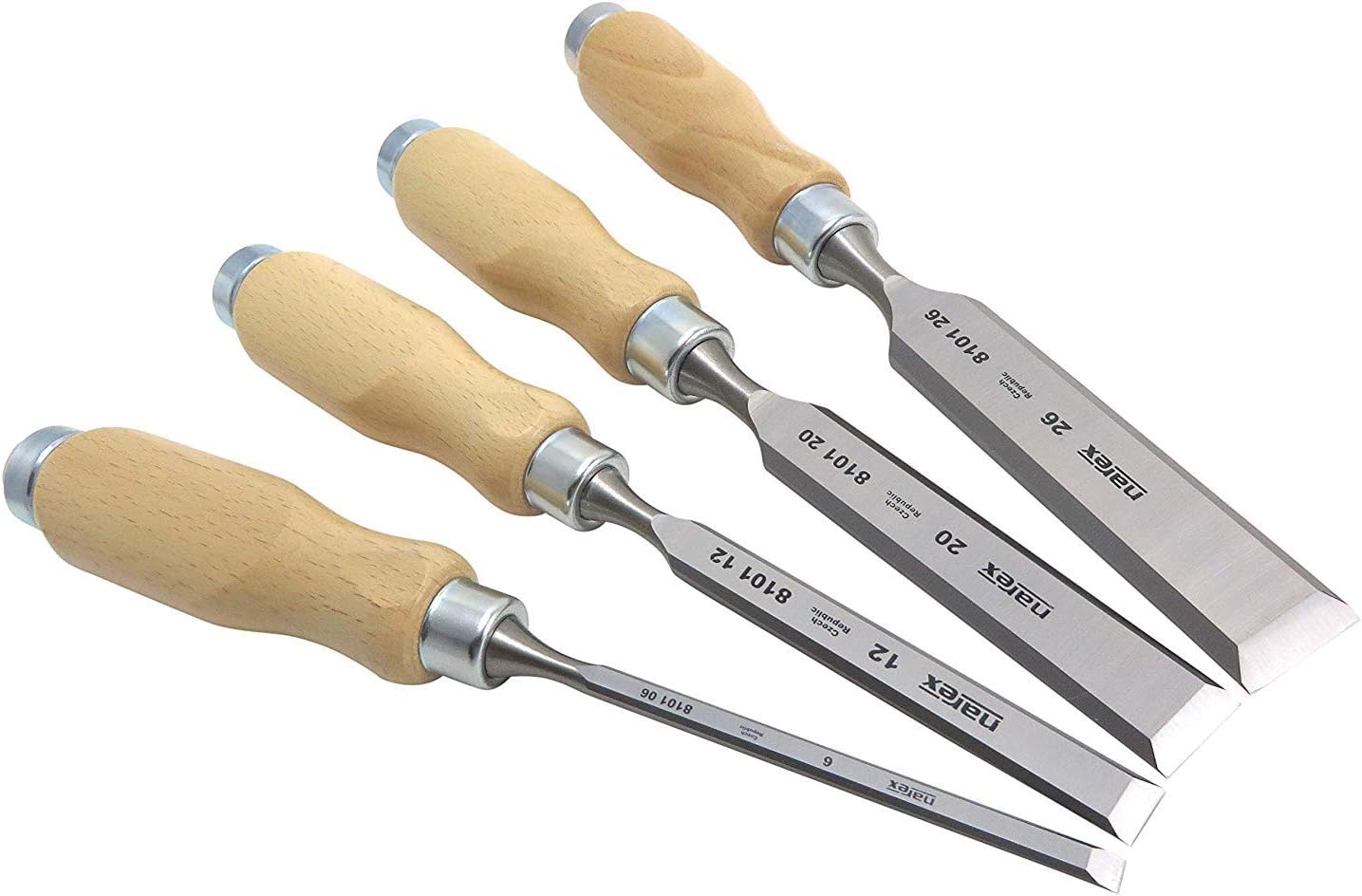 Narex 4-Piece Bevel-Edge Chisel Set (Wooden Handles)Buy it once$49Check price
What bench chisels do (and the sizes you need)
Bench chisels are the hand tool you reach for constantly: paring a joint to a perfect fit, chopping out a mortise, cleaning up the cheeks of a tenon, shaving a hair off a board that's proud. A saw makes the rough cut; the chisel makes it fit.
You don't need a big set. Four widths cover the vast majority of beginner joinery: roughly 6mm (1/4 in), 12mm (1/2 in), 19mm (3/4 in), and 25mm (1 in). That's why the standard recommendation is a 4-piece bevel-edge set — the bevelled sides let you get into dovetails and corners a thick chisel can't reach. Add narrower or wider specialty chisels only when a specific project demands one.
Why sharp beats expensive — and how we picked
The most important thing to understand about chisels: a sharp cheap chisel cuts better than a dull expensive one. A keen edge slices wood fibres cleanly with light pressure; a dull edge crushes and tears and needs force. So before you spend up on the steel, budget for a sharpening stone — it does more for your results than the price of the chisels.
With that said, better steel holds its edge longer, which means less time at the stone and more at the bench. We weighted the picks on:
- Edge retention — how long the steel stays sharp between honings.
- Backs and bevels — how flat and ready-to-use they are out of the box (cheap chisels need flattening).
- Handles — comfortable and tough enough to take mallet blows.
- The right sizes — a 4-width bevel-edge set, not a novelty 20-piece carving kit.
- Value — the right amount of tool for someone who might do three projects or three hundred.
 Best for most beginners
IRWIN Marples 4-Piece Wood Chisel Set (1885164)
The standard beginner recommendation, and for good reason. IRWIN Marples chisels are Sheffield-made with good steel, comfortable splitproof handles that take mallet blows, and they hold an edge well enough that you're not constantly honing. Four bevel-edge sizes cover the vast majority of beginner joinery. Widely stocked, fairly priced, and good enough that plenty of woodworkers never feel the need to upgrade.
What's good
- Good Sheffield steel — holds an edge well
- Comfortable splitproof handles that take mallet blows
- Four bevel-edge sizes cover most joinery
- Widely available and fairly priced
What's not
- Edge retention a notch below premium Narex
- Backs may need a quick flattening out of the box
- Only 4 sizes — add specialty widths later
 Best budget set
Amazon Basics 8-Piece Wood Chisel Set
A complete chisel set to actually learn on. The Amazon Basics 8-piece set covers the sizes a beginner reaches for, in chrome-vanadium steel that takes and holds an edge, and it includes a honing guide and sharpening stone, which matters because a sharp chisel is a safe chisel and most cheap sets skip the means to keep them sharp. Bevel edges get into corners for cleaner joinery. Not premium Japanese steel, but with the included sharpening kit it is a genuinely capable, affordable way to start cutting real joints.
What's good
- Eight sizes cover most beginner joinery
- Chrome-vanadium steel takes a keen edge
- Includes a honing guide and sharpening stone
- Bevel edges reach into corners
What's not
- Not premium Japanese or O1 steel
- Needs the included stone to reach full sharpness
 Buy it once
Narex 4-Piece Bevel-Edge Chisel Set (Wooden Handles)
Czech-made Narex chisels punch far above their price — excellent steel with noticeably better edge retention than the Marples, well-finished backs, and handles that feel good in the hand. For not much more than the standard pick you get chisels that stay sharp longer and feel like a serious tool. If you already know you're taking woodworking seriously, start here and skip the upgrade.
What's good
- Excellent steel — best edge retention of the three
- Well-finished backs (less flattening needed)
- Feels like a serious tool for a modest price
- A buy-it-once set
What's not
- Costs more than the standard pick
- Still only 4 sizes
- Overkill if you're not sure you'll stick with it
Chisels need two companions: a mallet (never a steel hammer — it splits the handles) and a sharpening stone. A chisel is only as good as its edge, so a basic 1000/6000 waterstone (~$28) plus a honing guide does more for your results than spending up on the chisels themselves.
Before you buy
Four sizes is the starter set: ~6, 12, 19, 25mm. Add narrower or wider widths only when a project demands it.
Buy a mallet, not a hammer. A wooden or rubber mallet drives chisels without wrecking the handles.
Budget for a sharpening stone. A 1000/6000 waterstone plus a honing guide makes any chisel cut beautifully.
Flatten the backs once. A few minutes on the stone flattening the back of each chisel pays off on every cut afterward.
Don't pry with them. Chisels are for paring and chopping; levering snaps the edge — use a screwdriver for prying.
Common questions about woodworking chisels
What size chisels does a beginner need?
Are expensive chisels worth it for a beginner?
What else do I need to use chisels?
Can I use a hammer with chisels?
How do I keep chisels sharp?
Bench chisels vs carving chisels — which do I want?
For most beginners, the IRWIN Marples 4-piece set is the buy — good steel, the right sizes, fair price. Just learning to sharpen? The Amazon Basics set includes a stone and honing guide — a fine cheap start. Serious about it? Narex is the buy-it-once upgrade.
Ready to actually do it?
The first woodworking quest takes an evening, and it tells you whether the gear was worth it better than any review can.
Start WoodworkingThe HobbyStack editorial team researches each guide against manufacturer specifications, published resources and practitioner sources. Every product is checked for availability and described against its current listing before publication, and prices are re-checked when guides are updated.
About our editorial process →More gear guides
All guides
Best Cordless Drill for Woodworking 2026: Ryobi vs DeWalt vs Milwaukee
A cordless drill is the first power tool most woodworkers buy: it drives screws, bores pilot holes for joinery, and assembles your projects. The trick is choosing the right one for a wood shop without overbuying. Here are three picks, and the battery-ecosystem decision that matters more than the drill itself.
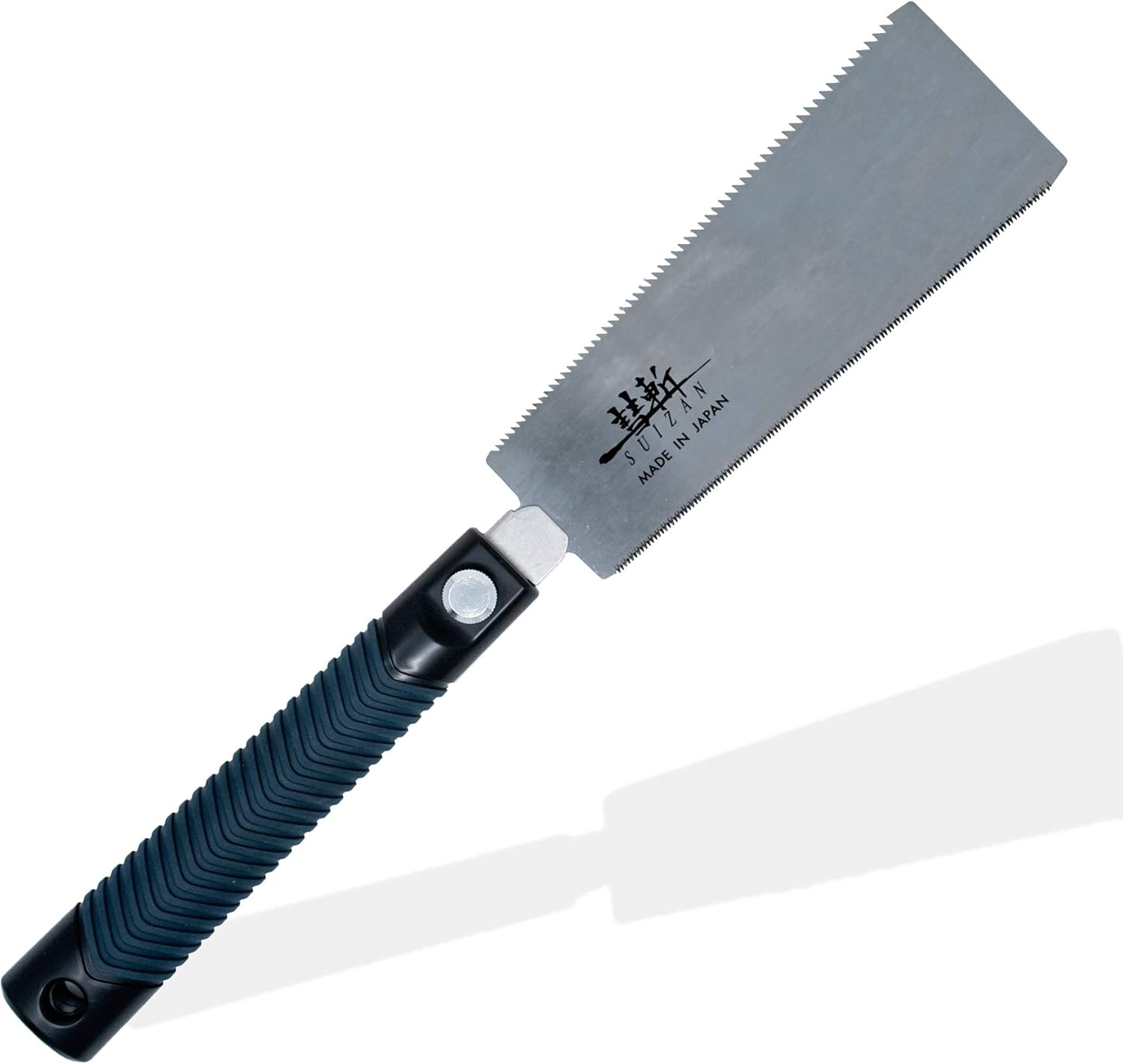
Best Hand Saw for Woodworking 2026: Japanese Pull Saw vs Western
A good hand saw is the most-used tool in beginner woodworking, and the first decision is the stroke: Japanese pull saws cut on the pull (thin kerf, easy control) while Western saws cut on the push (faster through rough stock). Here are three picks and which stroke fits the work you'll actually do.

Best Miter Saw for Woodworking 2026: Metabo vs DeWalt DWS779 vs Festool Kapex
A miter saw makes the fast, accurate, repeatable crosscuts that turn rough boards into furniture parts, the second power tool most woodworkers buy after the drill. Here are three picks, from an honest sub-$160 starter to the finish-carpenter's dream, plus how much saw your woodworking actually needs.

Best Circular Saw for Beginners 2026: SKIL vs DeWalt 20V vs Makita
A circular saw is the workhorse of a beginner's shop, it breaks down plywood and makes the rough cuts a miter saw is overkill for. The first decision is the cord: corded gives you consistent power at the lowest price, cordless gives you go-anywhere freedom for more money. Here are three picks, and the blunt truth that a cheap saw plus a good blade beats an expensive one used carelessly.

Best Squares for Woodworking (2026): Speed Square or Combination Square
A speed square and a combination square are not two grades of the same tool. One is a fast triangle for framing cuts and rafter angles, the other is an adjustable square for laying out joints, checking depth and marking parallel lines. Most people buy the wrong one first because the cheap one looks like the beginner version, and it is not.

Best Tape Measure for Woodworking (2026): The Loose Hook Is Not Broken
The hook on the end of a tape measure wobbles, and every woodworker eventually decides theirs is worn out and tries to squeeze it tight. It is supposed to move. That small piece of slop is a deliberate correction, and crimping it is one of the quickest ways to make every measurement you take slightly wrong.