Best Circular Saw for Beginners 2026: SKIL vs DeWalt 20V vs Makita
A circular saw is the workhorse of a beginner's shop, it breaks down plywood and makes the rough cuts a miter saw is overkill for. The first decision is the cord: corded gives you consistent power at the lowest price, cordless gives you go-anywhere freedom for more money. Here are three picks, and the blunt truth that a cheap saw plus a good blade beats an expensive one used carelessly.
HobbyStack may earn a commission from links on this page at no extra cost to you. Our picks are chosen on merit; the commission helps fund the research.
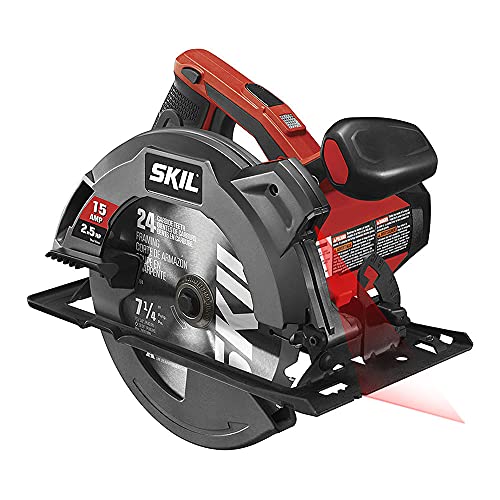
- For most beginners, the SKIL 15-Amp Circular Saw (~$59) is the pick — a corded 7¼-inch saw with all the power you need to break down plywood and crosscut lumber, for a fraction of a cordless. No battery to manage, no power to run out. The best-value way into the most useful saw you'll own.
- If you need to cut anywhere, the DeWalt 20V MAX (~$129, bare tool) is the cordless pick — a brushless 7¼-inch saw that goes where a cord can't, with plenty of bite for sheet goods and lumber. Add a 20V battery if you don't already own one.
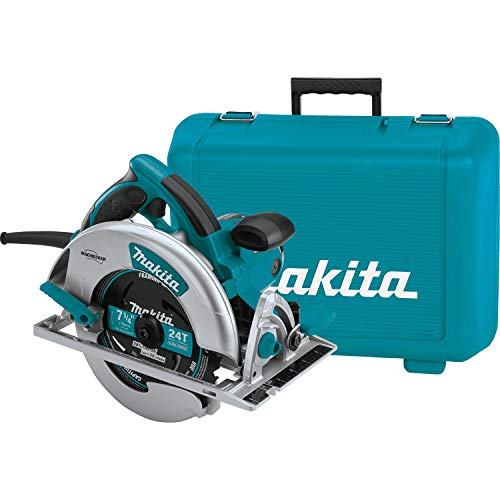
- Stepping up, the Makita 7¼-inch Magnesium (~$256) is the pro-grade saw — a lightweight magnesium body that's tougher and more precise, the buy-once tool for someone who'll use it for years.
- Corded vs cordless is the whole decision. Corded gives you consistent power at the lowest price, with a cord to manage; cordless gives you go-anywhere freedom for more money. Either way, for a beginner a sidewinder (light, compact) beats a heavy worm-drive.
- Skip: a tiny 4½- or 6½-inch saw as your only saw (a 7¼-inch cuts through 2× lumber in one pass); a bare-tool cordless if you own no batteries (the battery doubles the cost); and a worm-drive as a first saw (heavier and pricier than you need).

Corded or cordless? That's the call (and pick a sidewinder)
A circular saw is the workhorse that breaks down plywood and makes the rough crosscuts a miter saw is overkill for — and for a beginner, the decision comes down to one thing: the cord.
Corded saws give you consistent, never-fading power at the lowest price. A 15-amp corded saw rips through thick lumber without bogging down, costs the least, and never leaves you with a dead battery mid-cut. The trade is the cord: you're tethered to an outlet or an extension lead, which is a non-issue at a bench or in a garage and an annoyance out in the yard.
Cordless saws give you the opposite — go-anywhere freedom — for more money. A modern brushless 20V saw cuts sheet goods and lumber plenty fast, but you pay for the battery (often sold separately), and runtime is finite. If you already own a brand's batteries, cordless is a no-brainer; if you don't, the battery can double the price.
There's a second, smaller choice: sidewinder vs worm-drive. A sidewinder has its motor in line with the blade — lighter, more compact, faster, and what the vast majority of users (and every saw here) should choose. A worm-drive puts the motor at the back for more torque; it's heavier and favored for heavy ripping and framing, not what a beginner needs.
For most beginners working at home, a corded sidewinder is the most saw for the least money. Go cordless only if you genuinely need to cut away from an outlet.
 Best for most beginners
SKIL 15-Amp 7-1/4 Inch Circular Saw
The most useful saw for the least money. The SKIL 15-amp is a corded 7¼-inch sidewinder with a full-power motor that breaks down plywood and crosscuts 2× lumber without complaint — everything a beginner needs from a circular saw, at a price that leaves money for blades and clamps. Because it's corded, the power never sags and there's no battery to charge or replace; and SKIL has been making affordable, capable saws longer than almost anyone. It's not the lightest or the fanciest, but it cuts as straight as your guide and your hand allow — which is all that matters while you're learning.
What's good
- 15-amp corded power — never bogs down on thick lumber
- Full 7¼-inch blade cuts 2× stock in one pass
- No battery to buy, charge, or replace
- The cheapest real way into a capable saw
What's not
- Corded — you're tethered to an outlet
- Heavier and plainer than premium saws
- Basic features (no brushless motor or electric brake)
 Best cordless
DEWALT 20V MAX 7-1/4-Inch Circular Saw
Cut anywhere, with power to spare. The DeWalt 20V MAX is a brushless 7¼-inch cordless saw that brings most of a corded saw's bite without the cord — fast, repeatable cuts through sheet goods and lumber, with the freedom to work in the yard, on a ladder, or anywhere an outlet isn't. The brushless motor runs cooler and longer than older cordless saws, and if you already own DeWalt 20V batteries (the most common cordless platform there is), this is a genuine no-brainer. The honest catch: it's usually sold as a bare tool, so factor in a battery and charger if you're starting from zero — that's what closes the price gap to the corded SKIL.
What's good
- Go-anywhere cordless freedom
- Brushless 20V motor — strong, cool-running, efficient
- Shares the hugely common DeWalt 20V battery platform
- Fast, repeatable cuts for sheet goods and lumber
What's not
- Usually a bare tool — battery and charger cost extra
- Finite runtime vs an always-on cord
- Pricier than the corded SKIL once you add a battery
 The buy-once pro saw
Makita 7-1/4 Inch Magnesium Circular Saw
The saw you buy once and keep for decades. The Makita 7¼-inch magnesium is a pro-grade sidewinder built around a lightweight magnesium shoe and body — tougher and more precise than the cheaper saws, with the smooth power, accurate bevel stops, and durability that put Makita on so many job sites. It's noticeably nicer to use than a budget saw: lighter in the hand, more accurate, and built to survive years of work. For a beginner it's more than you strictly need, but if you know woodworking is going to stick and you'd rather buy once, this is the tool that earns its price over time.
What's good
- Lightweight magnesium build — tougher and easier to control
- Pro-grade power, accuracy, and durability
- Smooth, accurate bevel and depth adjustments
- Buy-once tool that lasts for years
What's not
- Several times the price of the budget SKIL
- More saw than a beginner strictly needs
- Premium spend on capability you'll grow into
A beginner's crooked, splintery cuts almost never come from the saw — they come from the blade and the technique. Any of these saws cuts beautifully with a sharp, fine-tooth blade (the blade that ships with a saw is rarely the one to keep), and a straightedge or track clamped to the work turns a shaky freehand line into a dead-straight cut. Set the blade depth so it clears the bottom of the stock by about a tooth, let the saw reach full speed before you push, and support the offcut so it doesn't pinch the blade — pinching causes kickback, the saw's one real danger. The tool is the cheap part of a good cut.
How to choose between the three
Pick the SKIL if you're working at a bench or in a garage and want the most saw for the least money. Corded power, a full 7¼-inch blade, and no battery to manage — it does everything a beginner needs and leaves cash for blades and clamps.
Pick the DeWalt 20V if you need to cut away from an outlet, or you already own DeWalt 20V batteries. It's the cordless freedom pick — just remember it's usually a bare tool, so add a battery if you're starting fresh.
Pick the Makita if you know woodworking will stick and you'd rather buy once. The magnesium build is lighter, tougher, and more precise — a pro saw you'll keep for years.
If you're unsure, get the SKIL. A corded saw plus a good blade and a clamped straightedge will out-cut a pricey saw used carelessly — and you'll have spent a fraction of the money.
Before you buy
Get a 7¼-inch saw, not a mini. The full-size blade cuts through 2× lumber in a single pass; the little 4½- and 6½-inch saws can't, and you'll outgrow them fast.
Corded is the value play at a bench. Unless you genuinely need to cut away from an outlet, a corded saw gives you the most power for the least money.
Budget for a good blade. The bundled blade is usually mediocre — a sharp 40-tooth blade transforms the cut quality of any of these saws.
Cordless? Check what 'bare tool' means. Many cordless saws don't include a battery — add one to the price unless you're already on that brand's platform.
Clamp a straightedge. The single biggest upgrade to your cuts isn't a pricier saw — it's a guide clamped to the work so the saw can't wander.
Common questions about circular saws
Corded or cordless circular saw for a beginner?
What size circular saw should a beginner get?
Sidewinder or worm-drive — which should I buy?
Is a cheap circular saw good enough for a beginner?
What's the difference between a circular saw and a miter saw?
How do I make straight cuts with a circular saw?
For most beginners, the SKIL 15-Amp 7-1/4 Inch Circular Saw is the buy — corded power, a full 7¼-inch blade, and no battery to manage, for the lowest price (~$59). Need to cut anywhere? The DEWALT 20V MAX 7-1/4-Inch Circular Saw is the cordless pick (add a battery if you're starting fresh). Know it'll stick and want to buy once? The Makita 7-1/4 Inch Magnesium Circular Saw is the lightweight, pro-grade saw you'll keep for years.
Ready to actually do it?
The first woodworking quest takes an evening, and it tells you whether the gear was worth it better than any review can.
Start WoodworkingThe HobbyStack editorial team researches each guide using practitioner communities, published resources, and direct input from active hobbyists. Every guide is reviewed for accuracy before publication and updated when practices change.
About our editorial process →More gear guides
All guides
Best Cordless Drill for Woodworking 2026: Ryobi vs DeWalt vs Milwaukee
A cordless drill is the first power tool most woodworkers buy: it drives screws, bores pilot holes for joinery, and assembles your projects. The trick is choosing the right one for a wood shop without overbuying. Here are three picks, and the battery-ecosystem decision that matters more than the drill itself.
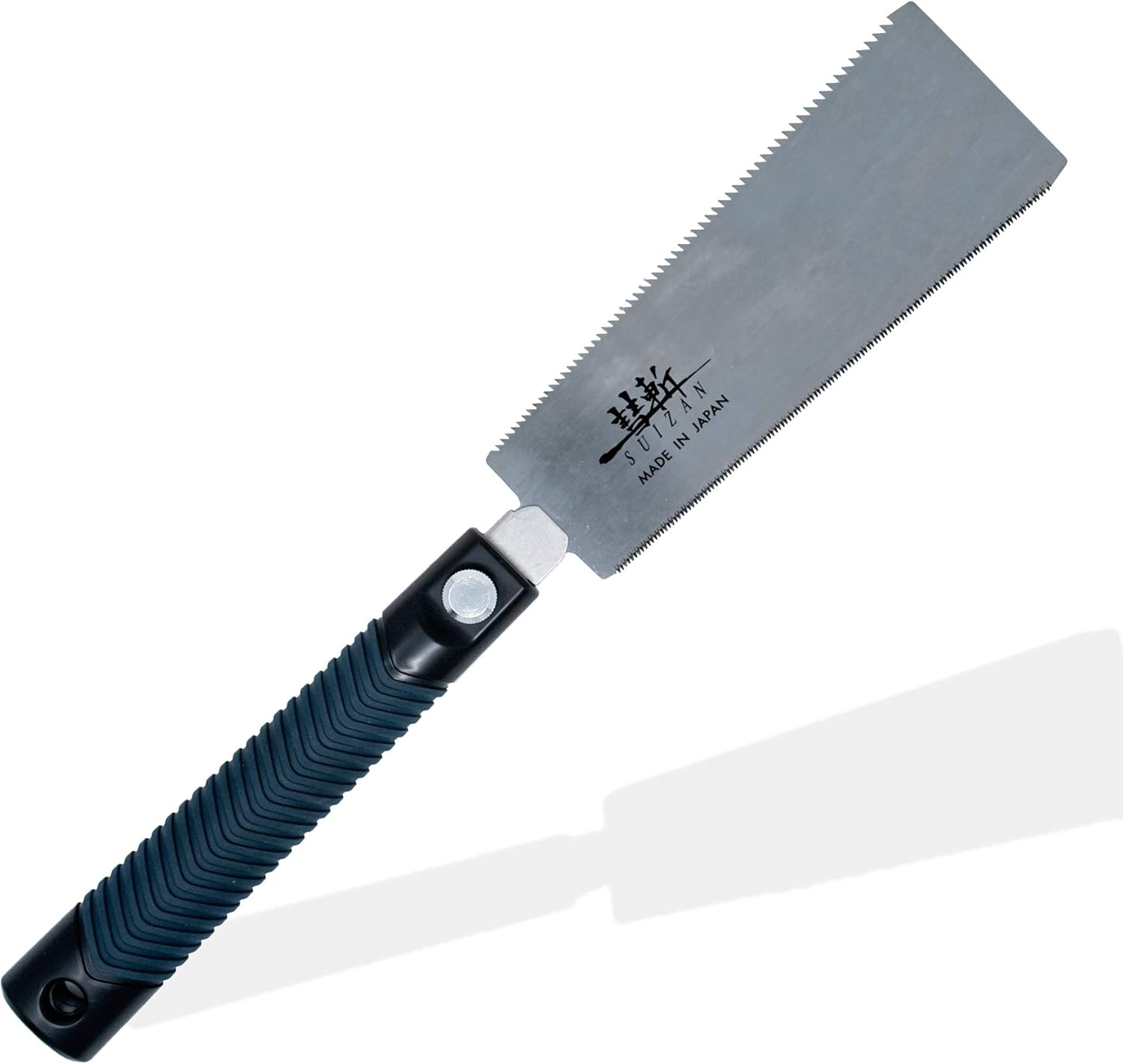
Best Hand Saw for Woodworking 2026: Japanese Pull Saw vs Western
A good hand saw is the most-used tool in beginner woodworking, and the first decision is the stroke: Japanese pull saws cut on the pull (thin kerf, easy control) while Western saws cut on the push (faster through rough stock). Here are three picks and which stroke fits the work you'll actually do.

Best Miter Saw for Woodworking 2026: Metabo vs DeWalt DWS779 vs Festool Kapex
A miter saw makes the fast, accurate, repeatable crosscuts that turn rough boards into furniture parts, the second power tool most woodworkers buy after the drill. Here are three picks, from an honest sub-$160 starter to the finish-carpenter's dream, plus how much saw your woodworking actually needs.

Best Beginner Woodworking Chisels 2026: REXBETI vs Irwin Marples vs Narex
A set of bench chisels is one of the first hand tools every woodworker needs: they pare joints, clean up saw cuts, and do the detail work a saw can't. Here are three beginner picks you can buy on Amazon, from a cheap set that includes its own sharpening stone to a buy-it-once Czech set, plus the four sizes you actually need.

Best Squares for Woodworking (2026): Speed Square or Combination Square
A speed square and a combination square are not two grades of the same tool. One is a fast triangle for framing cuts and rafter angles, the other is an adjustable square for laying out joints, checking depth and marking parallel lines. Most people buy the wrong one first because the cheap one looks like the beginner version, and it is not.

Best Tape Measure for Woodworking (2026): The Loose Hook Is Not Broken
The hook on the end of a tape measure wobbles, and every woodworker eventually decides theirs is worn out and tries to squeeze it tight. It is supposed to move. That small piece of slop is a deliberate correction, and crimping it is one of the quickest ways to make every measurement you take slightly wrong.