Best Pottery Tool Set (2026): Six of the Twelve Do Nearly Everything
Open a twelve-piece pottery set and six tools will do nearly all your work: the wire cutter, a wooden rib, a metal rib, a loop trimming tool, a sponge and a needle tool. The rest get picked up once, found to duplicate something, and left in the canister for years.
HobbyStack may earn a commission from links on this page at no extra cost to you. Our picks are chosen on merit; the commission helps fund the research.
- Ribs do the shaping. A wooden rib for walls, a metal rib for refining.
- A needle tool checks wall thickness and trims a wobbly rim. Use it early.
- Loop and ribbon tools trim the foot once the pot is leather hard.
- The wire cutter frees the pot from the wheel. Nothing else does that job.
- Timing matters more than tools: wet to throw, leather hard to trim.
 Artzuvs 14-piece ribbon kitStarting out$15Check price
 Our pickJack Richeson 12-pieceMost potters$36Check price
 Xiem mini carving, 7-pieceSurface detail$57Check price
The six tools you actually reach for
The wire cutter. Two handles and a length of wire, drawn under the base to free a thrown pot from the wheel head. Nothing else does this, and a set without one is incomplete.
The wooden rib. A curved wooden blade held against the clay while the wheel turns. This is what shapes a wall — it compresses the clay, removes throwing rings, and lets you push a curve far more evenly than fingers can.
The metal rib or scraper. Thinner and sharper, for refining a surface, taking off slip and getting a crisp profile. Metal cuts where wood compresses.
The loop or ribbon trimming tool. A shaped steel band on a handle, used when the pot is leather hard to cut the foot ring and remove excess weight from the base. The whole second half of making a pot happens with these.
The sponge. Lifting water out of the bottom of a form, smoothing a rim, cleaning up. Constantly in hand.
The needle tool. A spike in a handle. It trims an uneven rim while the wheel turns, and more importantly it checks wall thickness — push it through the base and you can see exactly how much clay is left, which is the only reliable way to know before it is too late.
What stays in the canister: most of the duplicate modelling tools, the tiny detail picks, and whichever sponge-on-a-stick the set included.
So a set is really a way of buying those six cheaply and accepting the others as packing material.
Clay states, which matter more than the tools
The tool that works depends entirely on how wet the clay is, and this is what beginners get wrong rather than which brand they bought.
Wet or plastic. Freshly wedged, fully workable. This is throwing clay. Ribs shape it, fingers pull walls, and it will deform if you look at it wrongly.
Leather hard. Firm enough to handle without distorting, damp enough to cut cleanly. This is the state for trimming the foot, carving, attaching handles and incising decoration. It is a window, not a point, and it is where loop tools belong.
Bone dry. All plastic water gone. Extremely fragile, and nothing should be cut or carved at this stage because it chips rather than cuts. Trimming bone dry clay also makes silica dust.
Then fired. Bisque and then glaze.
Trimming too early means the pot collapses on the wheel. Too late means the tool skates, chatters and tears. A pot that has gone too hard can be brought back slightly by wrapping it damp for a few hours.
Slow the wheel for trimming, and centre the pot carefully upside down. An off-centre pot trims to an off-centre foot and there is no fixing it.
And the health point that matters. Dry clay dust contains silica, and breathing it causes permanent lung damage. So: never sweep a dry studio floor, mop it. Sponge surfaces rather than dusting them. Keep trimmings in a bucket of water to reclaim rather than letting them dry out. This is the single most important habit in pottery and it has nothing to do with tools.
 Best for starting out
Artzuvs 14Pcs Ceramic Pottery Clay Ribbon Sculpting Tools Kit
Fourteen pieces covering ribbon and wire loop tools plus texture and needle detail tools, which hits most of the genuinely useful list for the price of a bag of clay. Ribbon tools are the ones you trim a foot with, so having several profiles early is more useful than one good tool. The steel is soft and the edges are not sharp from the factory, so expect to work them a little, and the handles are basic.
What's good
- Fourteen tools for the price of a bag of clay
- Good spread of ribbon and loop profiles
- Includes needle and texture tools
- Cheap enough to learn which shapes you use
What's not
- Soft steel loses its edge quickly
- Edges are not sharp from the factory
- Basic plastic handles
- No storage canister
 Best for most potters
Jack Richeson Deluxe 12-Piece Pottery Tool Set
The standard studio starter set, and the reason it is standard is that it contains the right things rather than the most things: a wire cutter, wooden and metal ribs, loop trimming tools, a sponge and a needle tool, which is the whole working list. The storage canister matters more than it sounds in a wet studio where tools otherwise end up in a bucket. Steel holds an edge better than bargain sets. Several pieces will stay unused.
What's good
- Contains the six tools you actually use
- Wire cutter and both wood and metal ribs included
- Steel holds an edge better than bargain kits
- Canister keeps tools findable in a wet studio
What's not
- Several of the twelve will never be used
- Over twice the Artzuvs kit
- Ribs are serviceable rather than excellent
- No carving or detail tools
 Best for surface detail
Xiem Studio Tools Mini Clay Carving Tool 7-Piece Set
Seven double-ended mini carving tools, which is a specialist addition rather than a starter set: these are for carving, sgraffito and surface decoration on leather hard clay, not for throwing or trimming a foot. Xiem make studio tools and the edges are properly finished, which matters for carving because a dull tool tears leather hard clay instead of cutting it. It will not replace a basic set, since there is no wire cutter or rib here.
What's good
- Properly finished edges that cut rather than tear
- Fourteen profiles across seven double-ended tools
- Made for carving leather hard clay specifically
- Xiem are a studio tool maker
What's not
- Not a starter set — no wire cutter or ribs
- Nearly four times the Artzuvs kit
- Only useful once you are decorating surfaces
- Small tools are fiddly with wet hands
Dry clay dust contains silica, and breathing it causes permanent, irreversible lung damage that builds over years without symptoms. So mop floors rather than sweeping, sponge surfaces rather than brushing them, keep trimmings in a bucket of water to reclaim instead of letting them dry, and wash clay off clothes rather than beating them out. This is the most important habit in pottery and nothing in a tool set protects you from it.
Habits that matter more than equipment
Wedge the clay properly. Air pockets and uneven moisture make centring far harder and can cause a piece to blow apart in the kiln. Spiral or ram's head wedging, every time.
Centre before anything else. Nothing in throwing works if the clay is not centred, and most beginner frustration traces back to it. Arms braced, elbows locked into your body, steady pressure.
Compress the rim and the base. A rim that is not compressed cracks as it dries; a base that is not compressed often cracks on the bottom. A rib and a sponge, deliberately, each time.
Keep water off the base. Water pooling inside a form softens the bottom and causes collapse and S-cracks later. Sponge it out as you go.
Dry slowly and evenly. Uneven drying is the cause of most cracks. Cover loosely with plastic, and dry handles and rims slower than the body by wrapping those parts.
Keep a bucket for reclaim. Trimmings and slop go in water and get wedged back into usable clay. It keeps dust down and clay is not free.
Clean your tools wet. Dried clay on a rib changes its profile, and a loop tool with hard clay in it tears rather than cuts.
Before you buy
Check the set has a wire cutter, a rib and a loop tool. Those are the core.
A needle tool matters: it is how you check wall thickness.
Expect to use about half of any set.
Carving tools are a separate, later purchase.
Budget for a bucket and a mop before extra tools.
Pottery tool questions
Which pottery tools do I actually need?
What is a rib for?
When should I trim the foot?
Is clay dust actually dangerous?
The Jack Richeson twelve-piece is the sensible buy: it contains the six tools that actually do the work, the steel holds an edge, and the canister keeps them findable in a wet studio. The Artzuvs kit is genuinely good value if you would rather spend the difference on clay. Add the Xiem carving set once you are decorating surfaces. Then buy a mop, and never sweep.
Ready to actually do it?
The first pottery quest takes an evening, and it tells you whether the gear was worth it better than any review can.
Start PotteryThe HobbyStack editorial team researches each guide against manufacturer specifications, published resources and practitioner sources. Every product is checked for availability and described against its current listing before publication, and prices are re-checked when guides are updated.
About our editorial process →More gear guides
All guides
Best Pottery Clay for Beginners (2026): Air-Dry, Stoneware or Porcelain
Clay is the one purchase in pottery where the right answer depends entirely on something outside the clay: whether you have a kiln. Air-dry clay needs none and will never hold water. Firing clay needs a kiln that reaches a specific temperature, and the number describing that temperature is on every bag — which is why buying clay before knowing your studio is how people end up with 25lb of something they cannot fire.
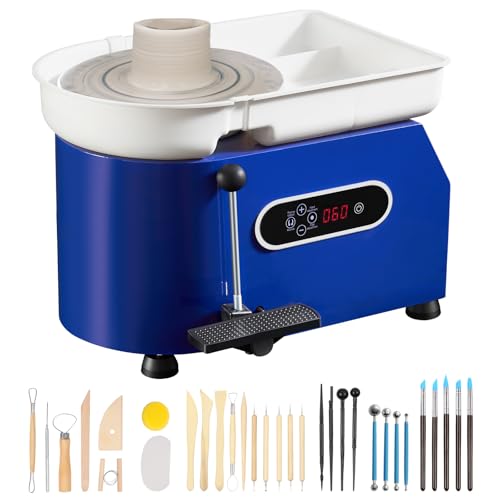
Best Pottery Wheel for Beginners (2026): 3 Real Picks
A pottery wheel is the tool that turns a lump of clay into a bowl, and the good news for a beginner is you do not need a studio-grade machine to learn on. What you actually need is enough motor torque to hold speed when your hands press on the clay, a pedal to control that speed, and a wheel head big enough for the pieces you want to throw. Cheap toy wheels bog down the moment you center clay, which is exactly when a beginner needs steady power. Here are three genuinely capable wheels across the range, plus what actually matters when you choose.

Best Leatherworking Starter Kit for Beginners (2026): 3 Picks Compared
Leatherworking needs a surprising number of small tools, and buying them one at a time is slow and expensive. An all-in-one starter kit gets you the core cutting, punching, and hand-stitching tools together, so you can make your first wallet or belt the week it arrives. Here are three good kits, from a cheap complete set to a big pro-grade box.

Best Cordless Drill for Woodworking 2026: Ryobi vs DeWalt vs Milwaukee
A cordless drill is the first power tool most woodworkers buy: it drives screws, bores pilot holes for joinery, and assembles your projects. The trick is choosing the right one for a wood shop without overbuying. Here are three picks, and the battery-ecosystem decision that matters more than the drill itself.
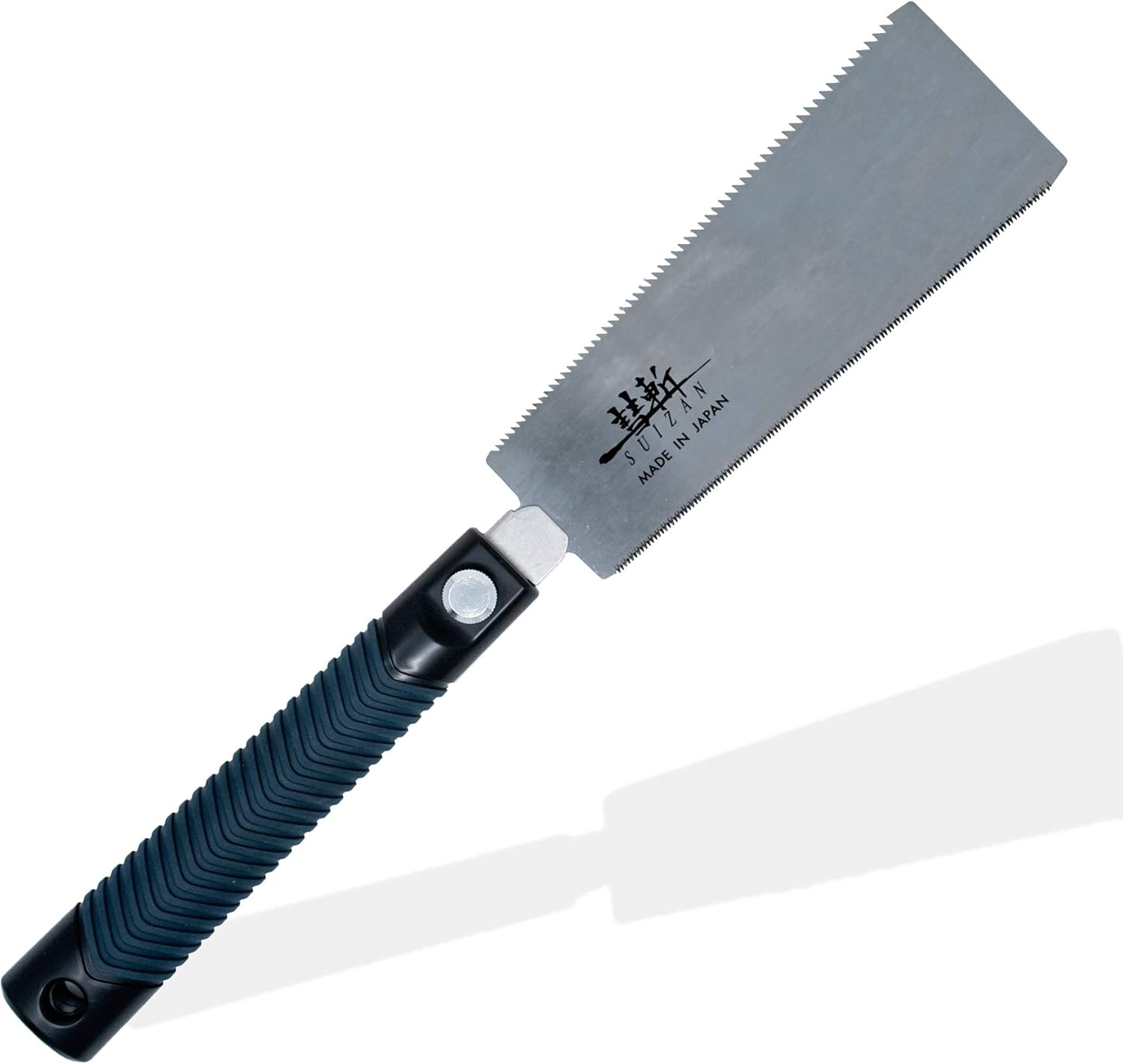
Best Hand Saw for Woodworking 2026: Japanese Pull Saw vs Western
A good hand saw is the most-used tool in beginner woodworking, and the first decision is the stroke: Japanese pull saws cut on the pull (thin kerf, easy control) while Western saws cut on the push (faster through rough stock). Here are three picks and which stroke fits the work you'll actually do.

Best Miter Saw for Woodworking 2026: Metabo vs DeWalt DWS779 vs Festool Kapex
A miter saw makes the fast, accurate, repeatable crosscuts that turn rough boards into furniture parts, the second power tool most woodworkers buy after the drill. Here are three picks, from an honest sub-$160 starter to the finish-carpenter's dream, plus how much saw your woodworking actually needs.