Best Rotary Cutting Set for Quilting (2026): 3 Picks for Clean, Fast Cuts
The rotary cutter, self-healing mat, and acrylic ruler are the trio that makes quilting possible: together they cut fast, straight, accurate strips through several layers of fabric at once, which scissors simply cannot do. A set bundles all three so you can start cutting properly on day one. Here are three good ones, from a complete value set to a premium Fiskars kit.
HobbyStack may earn a commission from links on this page at no extra cost to you. Our picks are chosen on merit; the commission helps fund the research.
- You need all three together: a rotary cutter, a self-healing cutting mat, and a thick acrylic quilting ruler. A set bundles them.
- A 45mm rotary blade is the standard all-rounder for quilting fabric. Keep a spare blade or two.
- The self-healing mat protects your table and your blade, and the ruler guides perfectly straight cuts.
- Always cut away from yourself and retract or close the blade the moment you set it down. It is very sharp.
 Headley Tools Rotary Cutter SetThe complete trio for the least$27Check price
 Our pick104-Piece Rotary Cutter Set with NotionsThe fuller kit most beginners should buy$49Check price
 Fiskars Loop Rotary Cutting SetPremium tools you grow into$71Check price
Quilting lives and dies on accurate cutting, and the rotary system is what makes it accurate. A rotary cutter is a rolling circular blade that slices cleanly through fabric; a self-healing mat underneath protects your table and keeps the blade sharp (the surface closes back up after each cut); and a thick acrylic ruler guides the blade in a perfectly straight line and lets you measure as you cut. Used together they cut straight strips through several layers at once, quickly and precisely, which is impossible with scissors. This trio, not a sewing machine, is where quilting actually begins.
The details are simple. A 45mm blade is the standard size for quilting fabric (bigger 60mm blades exist for heavy layers, smaller 28mm for curves and detail), and blades dull with use, so having a spare or two saves a frustrating pause mid-project. The mat should be self-healing and as large as your space allows. Beyond the core trio, some sets add scissors, seam-ripper, clips, and pins, which are handy, but the cutter, mat, and ruler are the non-negotiables a set must include.
 Best budget set
Headley Tools Rotary Cutter Set
The complete trio for very little. This set gets the essentials right: a 45mm rotary cutter, five spare SKS-7 steel blades, a large A3 self-healing cutting mat, and a quilting ruler, which is everything you need to start cutting accurately. The cutter has a comfortable ergonomic handle and a safety guard. Nothing here is boutique, but it is a genuinely complete, well-sized set at a great price.
What's good
- Complete cutter, mat, and ruler trio
- Large A3 self-healing mat
- Five spare steel blades included
- Excellent value
What's not
- Value-brand tools, not premium
- Ruler is basic
 Best for most beginners
104-Piece Rotary Cutter Set with Notions
The kit that stocks your whole cutting station. Alongside the core 45mm cutter (with eight spare blades), a self-healing mat, and a quilting ruler, it adds a pair of proper fabric scissors, sewing clips, and pins, which are exactly the extras a beginner ends up needing. It is the no-overthinking pick: the cutting trio plus the notions to actually piece a quilt, all in one purchase.
What's good
- Core trio plus scissors and notions
- Eight spare blades included
- Clips and pins for piecing
- Great all-in-one value
What's not
- Mat is a bit smaller than the budget set
- Mixed tool quality
 Best to grow into
Fiskars Loop Rotary Cutting Set
The set with tools you will genuinely enjoy using. Fiskars is a trusted name in cutting, and this 3-piece Loop set pairs a 45mm steel-blade rotary cutter (with a curved loop handle that suits left or right hands and a safe snap-in blade system) with a precise sewing ruler and a folding cutting mat. It is more than a first project needs, but the smoother, more accurate cutting and the quality feel make it a set you keep reaching for.
What's good
- Premium Fiskars build quality
- 45mm steel blade, both-handed loop handle
- Precise ruler cuts strips to 6.5in
- Folding mat stores easily
What's not
- Premium price
- Fewer spare blades than value sets
A rotary cutter blade is genuinely dangerous: it slices skin as easily as fabric. Always cut away from your body, keep your guiding hand and fingers well behind the ruler edge, and close or retract the blade the instant you put the cutter down, every single time. Change the blade when it starts to skip or drag rather than pressing harder.
Which to buy: want the complete trio with a big mat for the least? The Headley set is a genuine bargain. Want that plus scissors and notions to piece a quilt? The 104-piece kit is the easy pick. Already sure you love quilting and want premium tools? The Fiskars Loop set.
Before you buy
Use a 45mm blade for general quilting; keep a spare and swap it the moment it drags or skips.
Line the ruler up carefully and cut away from yourself in one smooth pass, keeping fingers behind the edge.
Get the largest self-healing mat your space allows. It makes cutting long strips far easier.
Store the blade closed or retracted every time you set the cutter down.
Rotary cutting set questions
Why do quilters use a rotary cutter instead of scissors?
What blade size should a beginner get?
What is a self-healing mat and do I need one?
What comes in a rotary cutting set?
How often do I change the blade?
Is a rotary cutter safe for a beginner?
For most beginners the 104-piece set is the pick: the core cutter, mat, and ruler trio plus the scissors and notions you will actually use. Want the complete trio with a bigger mat for less? The Headley set is a bargain. Already sure you love quilting and want premium tools? The Fiskars Loop set. Whatever you choose, respect the blade and cut away from yourself.
Ready to actually do it?
The first quilting quest takes an evening, and it tells you whether the gear was worth it better than any review can.
Start QuiltingThe HobbyStack editorial team researches each guide against manufacturer specifications, published resources and practitioner sources. Every product is checked for availability and described against its current listing before publication, and prices are re-checked when guides are updated.
About our editorial process →More gear guides
All guides
Best Quilting Precuts (2026): Fat Quarters, Layer Cakes and Jelly Rolls
Precuts are the same fabric sold in standard shapes, and the names tell you nothing until someone explains them. A fat quarter is a rectangle, a layer cake is ten-inch squares, a jelly roll is two-and-a-half-inch strips. Patterns are written around those sizes, so buying the wrong one means cutting everything down and wasting most of it.
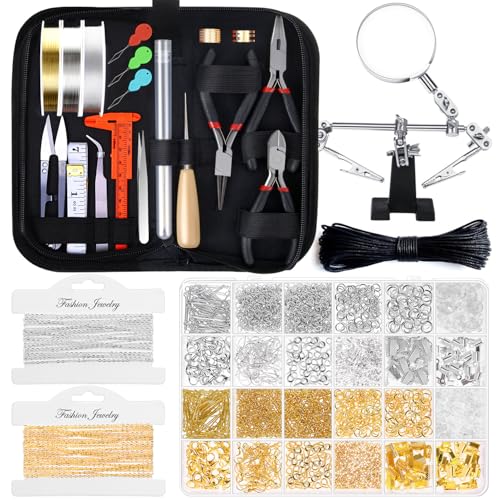
Best Jewelry Making Kit for Beginners (2026): 3 All-in-One Picks
A good starter kit is the fastest way into jewelry making, because it bundles the beads, findings, and tools you need to actually finish a bracelet or pair of earrings, rather than ordering pieces one at a time and waiting. The three tools that matter most are pliers and wire cutters, and a kit puts them in your hands with everything else. Here are three good ones, from a tool-first starter to a guided premium kit.

Best Beginner Embroidery Kits (2026): 3 Starter Kits Worth Buying
A beginner embroidery kit is a box that has everything you need to start stitching in one go: a hoop, floss, needles, fabric, and usually a pattern already printed on the cloth. The one spec that actually matters for a first kit is whether the fabric comes stamped with a pattern, because tracing your own design is the thing most people give up on before they even start.
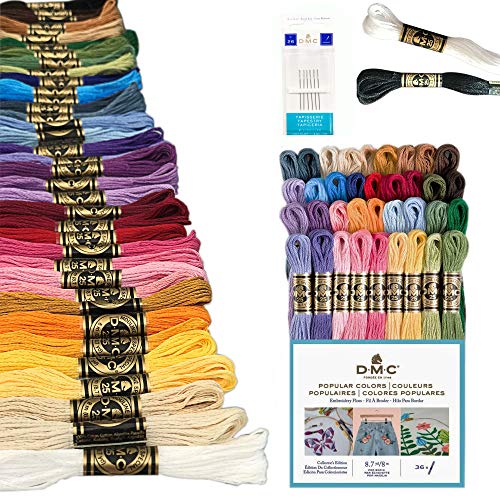
Best Embroidery Floss (2026): Six Strands, and You Rarely Use All Six
A skein of embroidery floss is six loosely twisted strands, and almost every pattern asks you to pull some of them out before you start. Stitching with all six because that is how it came off the shelf is the single most common beginner mistake, and it is why beginner work looks lumpy where it should look smooth.

Best Embroidery Hoop (2026): Drum-Tight Fabric Is the Whole Job
A hoop has one job: hold the fabric tight enough that your stitches sit where you put them. A hoop that slips lets the fabric sag, and a sagging ground gives you uneven tension, puckered stitches and a finished piece that will not lie flat. Almost every hoop complaint is really a grip complaint.

Best Embroidery Scissors (2026): Sharp All the Way to the Tip
Embroidery scissors do one job that ordinary scissors cannot: cut a single thread flush against the fabric without nicking it. That needs blades sharp right to the very point, meeting cleanly with no gap. It is a surprisingly demanding specification, and it is why a good small pair costs more than a large pair of household scissors.