Best Snowboard Goggles for Beginners (2026): 3 Real Picks
Goggles are not optional on a snowboard: wind, glare, cold, and blowing snow make riding without them miserable and unsafe, and unlike sunglasses they seal to your face and stay put. The good news is you do not need to spend much. Any decent pair blocks UV and wind; what more money buys is better anti-fog, optics that read terrain in flat light, and quick lens swaps for changing conditions. Here are three good ones, plus the one spec that actually matters.
HobbyStack may earn a commission from links on this page at no extra cost to you. Our picks are chosen on merit; the commission helps fund the research.
- Don't ride without goggles. Wind and glare make it miserable and unsafe; even a cheap pair fixes that.
- Lens tint (VLT) is the spec that matters. A brighter lens for cloudy, flat light; a darker one for sun.
- Anti-fog means a double lens. Cheap single-lens goggles fog the moment you exert yourself.
- OTG means 'over the glasses.' If you wear glasses, get OTG goggles or wear contacts.
 OutdoorMaster OTG Ski & Snowboard GogglesA safe, clear-vision goggle for the least money$30Check price
 Our pickOutdoorMaster PRO Ski & Snowboard Goggles (Interchangeable Lens)Matching the lens to the light, cheaply$43Check price
 Smith I/O MAG Snow GogglesThe best flat-light optics and instant swaps$295Check price
Goggles protect your eyes from wind, UV, glare, and blowing snow, and let you actually see the terrain, which matters more than beginners expect on a flat-light day. The single spec that matters is the lens tint, measured as VLT, or visible light transmission. A high-VLT lens (light, yellow, or rose) is for cloudy, snowy, flat-light days when you need contrast to pick out bumps; a low-VLT lens (dark or mirrored) is for bright sun. A pair that comes with one all-round lens is fine to start, but if you ride in varying conditions, interchangeable lenses are the main reason to spend more. Two other things are non-negotiable: a double lens with an anti-fog coating, because cheap single-lens goggles fog the moment you exert yourself, and full UV protection, which even budget goggles include.
Fit comes next: goggles should seal against your face all around with no gaps, because gaps let in wind and snow and cause fogging, and they have to work with your helmet, with no gap between the top of the goggles and the helmet brim. Always try goggles and helmet together. If you wear glasses, get OTG (over-the-glasses) goggles with room for your frames, or wear contacts. Beyond that, choose by how much you ride in changing light: a cheap fixed-lens pair is fine for occasional sunny days, an inexpensive interchangeable-lens pair covers most beginners for a few dollars more, and a premium pair adds the best flat-light optics and instant lens swaps for people out in all conditions. Here are three good ones.
 Best budget start
OutdoorMaster OTG Ski & Snowboard Goggles
The cheap goggle that just works. The OutdoorMaster OTG fits over glasses, uses a double lens with an anti-fog coating, blocks 100% of UV, and gives a wide, clear view, all for a fraction of a name-brand price. It is one of the most popular snow goggles on the market, and for good reason: for a beginner, or anyone who wants a cheap spare in the bag, it does everything the basics need. The catch is that it comes with one fixed all-conditions lens, so you cannot swap tints for very flat or very bright light, and the optics are good rather than premium. But it blocks wind and UV and resists fog, which is the whole job.
What's good
- Fits over glasses (OTG) with room for frames
- Double lens with anti-fog coating
- 100% UV400 protection and a wide view
- One of the cheapest genuinely good goggles
What's not
- One fixed lens, no swapping for the light
- Good, not premium, flat-light optics
 Best for most people
OutdoorMaster PRO Ski & Snowboard Goggles
The value pick, because it adds the one upgrade that matters: interchangeable lenses. For a few dollars more than the basic pair, the OutdoorMaster PRO lets you swap lenses to match the tint to the light, a brighter lens for flat, cloudy days and a darker one for sun, so you can actually see terrain in any conditions. It keeps the OTG fit, the double-lens anti-fog coating, and full UV protection, and extra lenses are cheap. For most beginners who ride in more than just bright sun, this is the sweet spot: real versatility without a premium price. The catch is that lens swaps are manual rather than magnetic, and the optics are good rather than elite, but at this price that is an easy trade.
What's good
- Interchangeable lenses to match the light
- Double-lens anti-fog and full UV protection
- OTG fit, works over glasses
- Cheap extra lenses, big versatility for the money
What's not
- Manual lens swaps, not magnetic
- Good, not elite, optics
 Best optics
Smith I/O MAG Snow Goggles
The best optics and the fastest lens swaps, for people who ride all season in all conditions. From Smith, the I/O MAG uses ChromaPop lenses that boost contrast so you can read terrain in flat light, where cheaper lenses leave you guessing, and a magnetic system that changes lenses in seconds without touching the inside. It comes with two lenses, one for bright light and one for low, so you are covered day to day. It is a big jump in price and more than a beginner needs, but if you already know you will be out a lot, the flat-light clarity and instant swaps are genuinely better and make a long day easier on your eyes. The catch is simply the cost, and that an occasional rider will not use most of what it offers.
What's good
- ChromaPop optics for real flat-light contrast
- Magnetic lenses swap in seconds
- Two lenses included (bright and low light)
- Buy-once quality for all-season riders
What's not
- Expensive, well beyond a beginner's needs
- Overkill if you only ride a few days a year
The number that matters is VLT (visible light transmission). High VLT (60%+, often yellow, rose, or clear) is for cloudy, snowy, flat-light days when you need contrast. Low VLT (under 25%, dark or mirrored) is for bright sun. One all-round lens around 20 to 50% VLT covers most days, but flat light is where cheap fixed lenses struggle most.
Before you buy
Get a double lens with anti-fog. Single-lens goggles fog the moment you exert yourself.
Match the lens tint to the light. A brighter lens for flat, cloudy days; a darker one for sun.
Try goggles and helmet together. Avoid a gap between the goggle top and the helmet brim.
Wear glasses? Get OTG goggles with room for frames, or wear contacts.
Common questions
Do I need goggles, or will sunglasses do?
What lens color should I get for snowboarding?
Why do my goggles keep fogging up?
Can I wear goggles over my glasses?
For most beginners, the OutdoorMaster PRO is the goggle to buy: interchangeable lenses so you can match the tint to the light, for just a few dollars over the basic pair. The standard OutdoorMaster OTG is a fine cheap start or spare, and the Smith I/O MAG is the pick if you ride all season and want the best flat-light optics. Whatever you get, make sure it's double-lens anti-fog and fits your helmet.
Ready to actually do it?
The first snowboarding quest takes an evening, and it tells you whether the gear was worth it better than any review can.
Start SnowboardingThe HobbyStack editorial team researches each guide against manufacturer specifications, published resources and practitioner sources. Every product is checked for availability and described against its current listing before publication, and prices are re-checked when guides are updated.
About our editorial process →More gear guides
All guides
Best Snowboard Helmet for Beginners (2026): 3 Real Picks
A helmet is the one piece of snowboard gear you should never skip and never buy used, and the good news is a solid one is cheap. Any certified snow helmet protects your head in a standard impact; what more money buys is MIPS rotational protection, better fit, venting, and warmth. Most beginners are well served by an inexpensive certified helmet. Here are three good ones across the range, plus what actually matters when you choose.

Best Beginner Ski Boots (2026): 3 Comfortable, Forgiving Picks
Ski boots matter more than skis for a beginner, and the thing that matters most is fit, not the brand or the flex number. You want a soft, forgiving flex and a boot that is snug but not painful, because a boot that fits badly ruins the whole day. Here are three good beginner boots, from a soft and roomy starter to a moldable boot you can grow into, plus how to get the size right.

Best Ski Gloves (2026): Waterproof, Warm, and Still Able to Buckle a Boot
Cold hands end a ski day earlier than tired legs do, and the usual response is to buy the thickest glove available. That is the wrong lever. Warmth comes from dry insulation and a cuff that seals, and a glove so bulky you cannot buckle a boot or hold a pole properly ends up coming off, which is when hands actually get cold.
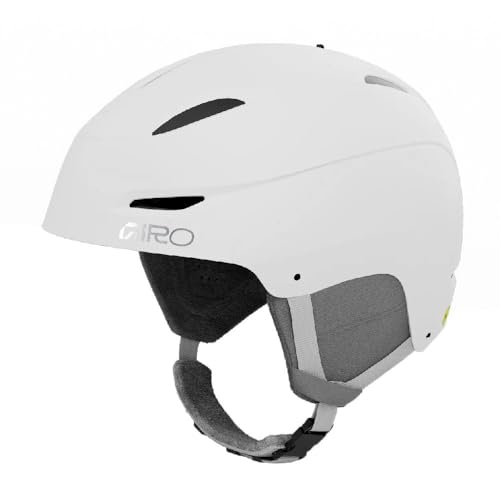
Best Ski Helmet for Beginners (2026): Fit, MIPS and When to Replace It
A ski helmet is the one piece of kit where the cheap option and the expensive option protect you to the same certified standard. What the money buys is fit, comfort, ventilation and rotational-impact technology — and of those, fit is the one that actually changes how well it works. A helmet that moves on your head is doing a fraction of its job.

Best Beginner Surfboard 2026: Soft-Tops from Wavestorm to Catch Surf
The single biggest mistake new surfers make is buying a short, sleek board because it looks cool. Beginners need a big, stable, forgiving soft-top, volume is what catches waves and gets you standing. Here are three foam boards that get the job done, from the iconic budget Wavestorm to a premium Catch Surf.

Best Surf Wetsuit (2026): The Zip Decides More Than the Price
A wetsuit does not keep water out. It lets a thin layer in, traps it against your skin and lets your body heat it, which is why fit matters more than thickness — a loose suit flushes cold water through and never warms up. The two numbers and the zip position tell you almost everything else.