Best Snowboard Helmet for Beginners (2026): 3 Real Picks
A helmet is the one piece of snowboard gear you should never skip and never buy used, and the good news is a solid one is cheap. Any certified snow helmet protects your head in a standard impact; what more money buys is MIPS rotational protection, better fit, venting, and warmth. Most beginners are well served by an inexpensive certified helmet. Here are three good ones across the range, plus what actually matters when you choose.
HobbyStack may earn a commission from links on this page at no extra cost to you. Our picks are chosen on merit; the commission helps fund the research.
- Never skip the helmet, and never buy it used. A helmet is built to take one impact; a used one may be quietly compromised.
- Any certified snow helmet protects you. The cheap ones pass the same safety standard as the expensive ones.
- MIPS is the main reason to pay more. It adds protection against rotational impacts and is worth it if the budget stretches.
- Fit matters most. Snug, level, no pressure points or gaps; measure your head and check the size chart.
 OutdoorMaster Kelvin Ski & Snowboard HelmetA safe, certified helmet for the least money$50Check price
 Our pickSmith Method MIPS Snow HelmetThe step up most beginners should buy$120Check price
 Smith Vantage 2 MIPS Snow HelmetAll-day, all-season comfort and protection$295Check price
Every snow helmet sold in the US or EU meets a safety standard (ASTM F2040 or CE EN1077), so even a $45 helmet protects your skull in a standard impact. That is worth saying plainly, because it means you do not have to spend a lot to be safe. What more money buys is real but incremental: MIPS, a low-friction liner that lets the shell rotate slightly on impact to reduce twisting forces on the brain, which is increasingly standard and genuinely worth it; better venting so your goggles do not fog and your head does not cook on a spring day; warmer or removable liners; and lighter weight. For a beginner falling a lot on a cold hill, a certified helmet that fits is the floor, and MIPS is the upgrade that matters most.
Fit is everything, so measure your head circumference and check the brand's size chart before you buy. The helmet should sit level and snug all around, with no pressure points and no gaps, and it should not rock when you shake your head. Just as important, it has to work with your goggles: no gap between the top of the goggles and the helmet brim, the dreaded gaper gap. Always buy new, because a used helmet may have taken a hidden impact that has crushed its foam and left it looking fine but no longer protective. Beyond that, choose by budget: a certified cheap helmet is a genuinely fine start, a MIPS helmet from a known brand is the sweet spot, and a premium helmet adds the best venting, fit, and warmth for people out all day.
 Best budget start
OutdoorMaster Kelvin Ski & Snowboard Helmet
The cheap helmet that is genuinely good. The OutdoorMaster Kelvin is certified to the same ASTM safety standard as helmets five times the price, with 14 vents you can open or close, a removable washable liner, and a dial to fine-tune the fit. It is one of the most-reviewed snow helmets on the market for a reason: for a beginner testing whether snowboarding sticks, or anyone on a budget, it is all you need. The catch is that it does not have MIPS, and the fit and finish are basic next to a premium brand. But it is a real, certified, comfortable helmet for roughly the price of a lift ticket, which makes skipping a helmet inexcusable.
What's good
- Certified to the same standard as pricey helmets
- 14 adjustable vents and a removable, washable liner
- Dial fit system, works with most goggles
- About the price of a single lift ticket
What's not
- No MIPS rotational protection
- Basic fit and finish versus premium brands
 Best for most people
Smith Method MIPS Snow Helmet
The step up that actually matters, because it adds MIPS. From Smith, one of the most trusted names in snow, the Method pairs the same certified impact protection as any helmet with a low-friction MIPS liner that reduces the twisting forces a fall can send to your brain, which the budget helmet does not have. You also get better venting and a nicer, more secure fit. It is not the lightest or warmest helmet Smith makes, but it hits the sweet spot of protection, brand quality, and price. For a beginner who plans to keep riding rather than just try it once, this is the helmet to buy, and it is one you will not feel the need to replace as you improve.
What's good
- MIPS rotational-impact protection
- Trusted snow brand with a secure, comfortable fit
- Good venting to keep goggles clear
- The sweet spot of safety, quality, and price
What's not
- Costs more than twice the budget helmet
- Not the lightest or warmest in Smith's range
 Best for all-day riders
Smith Vantage 2 MIPS Snow Helmet
The best fit, venting, and warmth, for people who are out all day, all season. The Smith Vantage 2 has MIPS like the Method, but adds adjustable climate-control venting you can open and close on the fly, a premium fit system that dials in precisely, and removable ear pads for warm and cold days. It is the most comfortable and best-ventilated helmet here, which matters when you are riding open to close. The catch is the obvious one: it is expensive, and more helmet than a beginner testing the sport needs. But if you already know snowboarding is your thing and you will be riding a lot, buying once at this level means a helmet that fits perfectly and keeps your goggles clear for years.
What's good
- MIPS plus adjustable climate-control venting
- Premium fit system dials in precisely
- Removable ear pads for warm and cold days
- Buy-once comfort for all-day, all-season riders
What's not
- Expensive, more than a beginner needs
- Overkill if you only ride a few days a year
A helmet is designed to take one big impact: the foam crushes to absorb it and does not recover. A used helmet may look fine but have a hidden, compromised shell, so never buy one secondhand. And after any hard head impact, replace it even if it looks okay. The protection is spent.
Before you buy
Measure your head and use the size chart. Fit matters more than brand or price.
Try it with your goggles. There should be no gap between the goggles and the helmet brim.
Look for MIPS if the budget allows. It is the meaningful safety upgrade over a basic certified helmet.
Buy new. A used helmet may have taken a hidden impact that leaves it looking fine but no longer protective.
Common questions
Do I really need a snowboard helmet?
What is MIPS and is it worth it?
How should a snowboard helmet fit?
Can I use a bike helmet for snowboarding?
For most beginners who plan to keep riding, the Smith Method MIPS is the helmet to buy: real rotational protection from a trusted brand at a fair price. The OutdoorMaster Kelvin is a genuinely good, certified start if you're testing the sport or on a budget, and the Vantage 2 is the pick if you're out all season. Whatever you choose, fit it right and buy new.
Ready to actually do it?
The first snowboarding quest takes an evening, and it tells you whether the gear was worth it better than any review can.
Start SnowboardingThe HobbyStack editorial team researches each guide against manufacturer specifications, published resources and practitioner sources. Every product is checked for availability and described against its current listing before publication, and prices are re-checked when guides are updated.
About our editorial process →More gear guides
All guides
Best Snowboard Goggles for Beginners (2026): 3 Real Picks
Goggles are not optional on a snowboard: wind, glare, cold, and blowing snow make riding without them miserable and unsafe, and unlike sunglasses they seal to your face and stay put. The good news is you do not need to spend much. Any decent pair blocks UV and wind; what more money buys is better anti-fog, optics that read terrain in flat light, and quick lens swaps for changing conditions. Here are three good ones, plus the one spec that actually matters.

Best Beginner Ski Boots (2026): 3 Comfortable, Forgiving Picks
Ski boots matter more than skis for a beginner, and the thing that matters most is fit, not the brand or the flex number. You want a soft, forgiving flex and a boot that is snug but not painful, because a boot that fits badly ruins the whole day. Here are three good beginner boots, from a soft and roomy starter to a moldable boot you can grow into, plus how to get the size right.

Best Ski Gloves (2026): Waterproof, Warm, and Still Able to Buckle a Boot
Cold hands end a ski day earlier than tired legs do, and the usual response is to buy the thickest glove available. That is the wrong lever. Warmth comes from dry insulation and a cuff that seals, and a glove so bulky you cannot buckle a boot or hold a pole properly ends up coming off, which is when hands actually get cold.
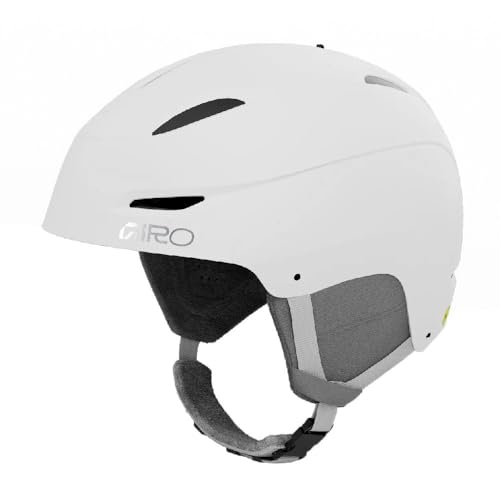
Best Ski Helmet for Beginners (2026): Fit, MIPS and When to Replace It
A ski helmet is the one piece of kit where the cheap option and the expensive option protect you to the same certified standard. What the money buys is fit, comfort, ventilation and rotational-impact technology — and of those, fit is the one that actually changes how well it works. A helmet that moves on your head is doing a fraction of its job.

Best Beginner Surfboard 2026: Soft-Tops from Wavestorm to Catch Surf
The single biggest mistake new surfers make is buying a short, sleek board because it looks cool. Beginners need a big, stable, forgiving soft-top, volume is what catches waves and gets you standing. Here are three foam boards that get the job done, from the iconic budget Wavestorm to a premium Catch Surf.

Best Surf Wetsuit (2026): The Zip Decides More Than the Price
A wetsuit does not keep water out. It lets a thin layer in, traps it against your skin and lets your body heat it, which is why fit matters more than thickness — a loose suit flushes cold water through and never warms up. The two numbers and the zip position tell you almost everything else.