Best Soap Making Goggles (2026): Lye Takes Eyesight, and Glasses Are Not Enough
Sodium hydroxide dissolves protein, which is how it turns oil into soap and also what it does to an eye. A splash does not sting and then wash out; it keeps reacting, and it can take sight permanently in seconds. Safety glasses leave the sides open, and a splash from a stirring pot does not arrive from straight ahead.
HobbyStack may earn a commission from links on this page at no extra cost to you. Our picks are chosen on merit; the commission helps fund the research.
- Sealed splash goggles, not safety glasses. Open sides are the whole problem.
- Lye keeps reacting on contact. Flush with water for 15 to 20 minutes, then get medical help.
- Never use vinegar on skin or eyes. Water only.
- Lye into water, never water into lye. The reverse can erupt.
- Goggles, long sleeves, gloves and ventilation. Goggles are the one that matters most.
 3M 334 splash gogglesA first batch$6Check price
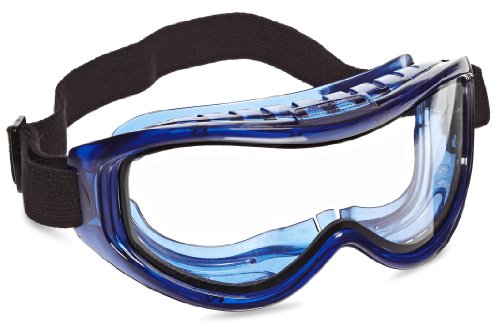 Our pickSellstrom Odyssey IIMost soapers$16Check price
 Uvex Stealth OTGSpectacle wearers$34Check price
Why glasses are not goggles
Safety glasses protect against impact from the front. They sit away from the face with open gaps above, below and at the temples.
Splash goggles seal to the face all the way round, so liquid cannot get behind them from any direction.
That difference is the entire point here, because lye splashes do not come from directly ahead. They come from a stir that catches the side of the pot, a bottle lifted too fast, a stick blender pulsed before the head is submerged. Those arrive sideways and upward, straight through the gaps that safety glasses leave open.
And the chemistry is unforgiving. Sodium hydroxide saponifies fats and dissolves protein. On skin that is a chemical burn that deepens while it stays in contact. In an eye, the cornea is protein, and damage can be permanent within seconds.
Then the vented-goggle distinction, which matters for chemicals. Many goggles have direct vents, small open holes for airflow. Those let liquid in. What you want is non-vented or indirect vented, where any vents are baffled so air passes and liquid cannot.
The Sellstrom here is indirect vented, which is the right specification for a liquid chemical hazard.
Anti-fog matters practically. Sealed goggles fog, fogged goggles get lifted, and lifted goggles are not protecting anyone. An anti-fog coating is the difference between goggles you keep on and goggles you push onto your forehead.
What to do if it goes wrong, and the rest of the kit
Flush with cool running water for 15 to 20 minutes. Not thirty seconds. Lye continues reacting as long as it is in contact, so the only treatment is dilution and removal, and it takes far longer than instinct suggests. Hold eyelids open and keep going.
Then get medical help for any eye contact, and for skin contact that is more than a small splash. Tell them it was sodium hydroxide, not "soap".
Never use vinegar. This advice circulates widely and it is wrong. Neutralising a strong base with an acid on living tissue is an exothermic reaction, so you add a thermal burn to a chemical one. Vinegar is for wiping lye off worktops, not off people. Water only, for a long time.
Lye into water, never water into lye. Adding water to solid lye can heat violently and erupt out of the container. Always sprinkle the lye into the water, stirring as you go.
It gets genuinely hot. A lye solution can reach 90°C on mixing. Use a heatproof container, never aluminium, which lye attacks and which releases hydrogen gas.
Ventilate. Mixing releases fumes that irritate the airway. An open window and no face directly over the container.
Cover skin. Long sleeves, closed shoes, and gloves that are actually chemical resistant rather than thin disposables.
Keep children and pets out of the room entirely, for the whole process, including while it cools.
 Best for a first batch
3M 40661-00000-10 334 Splash Safety Goggles
Sealed splash goggles from 3M with a clear frame and an anti-fog coating, which covers the two things that actually matter: a seal all the way round the face, and lenses that stay clear so you keep them on. At this price there is no excuse for using safety glasses instead. The fit is basic and the strap is a simple elastic band, so they are less comfortable over a long session than the dearer pairs here.
What's good
- A proper sealed splash seal for the price of a coffee
- Anti-fog coating, so they stay wearable
- 3M build quality at the bottom of the range
- Cheap enough to keep a spare pair
What's not
- Basic strap and fit
- Less comfortable over a long session
- Will not fit over spectacles
- Clear frame scratches easily
 Best for most soapers
Sellstrom Safety Goggles
Indirect vented goggles, which is the correct specification for a liquid chemical hazard: the vents are baffled so air passes through for comfort while splashes cannot. That matters because non-vented goggles fog badly and fogged goggles end up on your forehead. The seal and the adjustable strap are a clear step up from a bargain pair, which is what decides whether you wear them for a whole batch.
What's good
- Indirect vents give airflow without letting liquid in
- Anti-fog, so they stay on through a full batch
- Better seal and adjustable strap
- Comfortable enough not to be lifted
What's not
- Nearly three times the 3M pair
- Still will not fit over spectacles
- Vents mean a fraction less protection than sealed
- Plain industrial looks
 Best for spectacle wearers
Honeywell S3970DF Uvex by Stealth Over The Glasses Goggles
Over-the-glasses goggles, designed with enough internal volume to seal around prescription frames rather than pressing on them. That solves a real problem, because the usual compromise is spectacle wearers skipping goggles or wearing them crookedly over frames, which breaks the seal exactly where a splash would enter. Uvex make industrial eye protection, so the seal and the coating are properly specified. Bulky if you do not wear glasses.
What's good
- Seals properly over prescription frames
- Removes the reason spectacle wearers skip goggles
- Uvex industrial-grade seal and coating
- Wide field of view despite the volume
What's not
- Bulky and over-specified if you do not wear glasses
- Nearly six times the 3M pair
- Larger internal volume fogs more readily
- Heavier on the face
Lye keeps burning while it is in contact, so the only first aid is prolonged dilution: cool running water for a full 15 to 20 minutes, holding eyelids open for eye contact, then medical attention. Tell them it was sodium hydroxide. Do not use vinegar on skin or in an eye — neutralising a strong base with acid on tissue releases heat and adds a thermal burn to the chemical one. Vinegar is for worktops only.
Setting up a batch safely
Clear the room first. No children, no pets, no one wandering through. Lye sits on a worktop for a while and it does not look dangerous.
Weigh everything before you start mixing, so you are not handling containers of hot caustic solution while hunting for a measurement.
Use heatproof plastic or stainless. Never aluminium — lye attacks it and gives off hydrogen. Never glass that is not borosilicate, because the heat can crack it.
Add lye to water, stirring, in a sink or on a stable surface near running water. Not the other way round.
Let it cool to the temperature your recipe specifies before combining with oils. Fresh lye solution is around 90°C.
Keep the stick blender head submerged before you pulse it. Lifting a running blender out of raw soap batter sprays caustic mixture, and that is the splash that most often reaches a face.
Label everything, including the leftover. A jug of clear liquid that looks like water is the genuine household hazard here.
Wipe spills with vinegar and then water, on surfaces only, and bin the cloth.
Keep goggles on until everything is cleaned up. Raw soap batter is still caustic, and so is the bowl you are washing.
Before you buy
Sealed or indirect-vented goggles. Never safety glasses.
Check for an anti-fog coating, or they will end up on your forehead.
Over-the-glasses if you wear spectacles. Do not perch goggles on frames.
Buy chemical-resistant gloves at the same time, not thin disposables.
Keep a spare pair, so a scratched lens is never a reason to skip them.
Soap making safety questions
Can I just use safety glasses?
What do I do if lye gets in my eye?
Should vented or non-vented goggles be used?
Why lye into water and not water into lye?
The Sellstrom Odyssey II is the one to buy: indirect vents give you airflow without letting liquid in, and it is comfortable enough that you will keep it on for a whole batch rather than lifting it. The 3M pair is genuinely adequate and there is no excuse for using safety glasses instead. Choose the Uvex over-the-glasses if you wear spectacles. And flush for twenty minutes, not thirty seconds.
Ready to actually do it?
The first soap making quest takes an evening, and it tells you whether the gear was worth it better than any review can.
Start Soap MakingThe HobbyStack editorial team researches each guide against manufacturer specifications, published resources and practitioner sources. Every product is checked for availability and described against its current listing before publication, and prices are re-checked when guides are updated.
About our editorial process →More gear guides
All guides
Best Soap Making Kit for Beginners (2026): 3 Melt-and-Pour Picks
The easiest way to start making soap is a melt-and-pour kit, which skips the lye and safety hazards of traditional soap making entirely: you melt a ready-made base, add colour and scent, and pour it into molds. A kit bundles the base, molds, colourants, and fragrance so you can make your first bars in an afternoon. Here are three good ones, from a simple starter to a deluxe box.

Best Candle Fragrance Oils (2026): Why Essential Oils Are Not the Answer
The most common disappointment in candle making is a candle that smells wonderful cold and of nothing at all when lit. Almost always the cause is one of three things: the wrong kind of oil, too little of it, or not enough patience before burning. None of them are obvious, and shops sell essential oils next to fragrance oils as though they were interchangeable.

Best Candle Making Kit for Beginners (2026): 3 Picks
A soy candle starter kit is one box with everything you need to pour your first candles: wax, wicks, fragrance, a pouring pitcher, and jars or tins. The spec that actually matters for a beginner is soy wax (not paraffin or a "blend"), because it melts at a low temperature, pours easily, and is very forgiving when you get the amount or timing a little wrong.

Best Candle Pouring Pitcher (2026): The Spout Is the Whole Tool
Everything else in candle making tolerates improvisation. The pour does not. You are moving hot liquid wax into a narrow-mouthed jar around a centred wick, and a pot without a proper spout dribbles down the outside, floods the wick and leaves you cleaning wax off a worktop instead of making candles.

Best Beakers for Perfume Making (2026): Borosilicate, and Small
Perfumery works in small volumes and strong solvents, which rules out most measuring vessels in a kitchen. Plastic absorbs fragrance and hands it to the next blend; soda-lime glass is fine until something warm goes in it. Borosilicate solves both, and the sizes you actually need are smaller than any set will sell you.

Best Bottles for Perfume Making (2026): Roll-On or Spray Decides It
The bottle question looks like packaging and is actually a formulation question. Oil-based perfume goes in a roll-on; alcohol-based perfume needs an atomiser, because rolling it on wastes the top notes and defeats the point of using alcohol at all. Get that the wrong way round and you have bought the wrong thing regardless of how nice the glass is.