Best Soap Making Kit for Beginners (2026): 3 Melt-and-Pour Picks
The easiest way to start making soap is a melt-and-pour kit, which skips the lye and safety hazards of traditional soap making entirely: you melt a ready-made base, add colour and scent, and pour it into molds. A kit bundles the base, molds, colourants, and fragrance so you can make your first bars in an afternoon. Here are three good ones, from a simple starter to a deluxe box.
HobbyStack may earn a commission from links on this page at no extra cost to you. Our picks are chosen on merit; the commission helps fund the research.
- Start with melt-and-pour: you melt a ready-made soap base, add colour and scent, and pour it. No lye, no safety gear.
- A kit bundles the soap base, molds, colourants, and fragrance, which is everything you need for your first bars.
- Cold-process soap (the kind made with lye) is the advanced next step, not where beginners should start.
- Soap base is the consumable: once you are hooked, you buy more base (and molds and scents) to keep going.
 EDSRDRUS Basic Soap Making KitA simple safe start for the least$27Check price
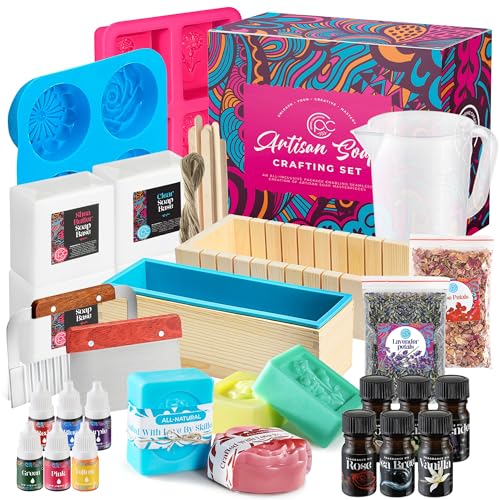 Our pickMelt & Pour Soap Making Kit with Molds & FragrancesThe complete kit most beginners should buy$50Check price
 CraftZee Large Deluxe Soap Making KitA big kit you grow into$80Check price
Traditional soap making uses lye (sodium hydroxide), a caustic chemical that demands goggles, gloves, careful measuring, and respect. That is a lot to take on for a first try, which is why nearly every beginner should start with melt-and-pour instead. You buy a ready-made soap base (the lye reaction is already done for you), melt it down, stir in colour and fragrance, and pour it into molds to set. It is genuinely simple, completely safe, and you get beautiful bars in an afternoon.
A melt-and-pour kit is the smart entry because it bundles the pieces: a block of soap base, molds to shape the bars, colourants, and fragrance oils. That is everything you need for a first batch, with no separate shopping. The one thing to know is that the soap base is the consumable, so once you are hooked you will buy more base (and more molds and scents) to keep making. When you are ready for more control, cold-process soap making with lye is the natural next step, but it is not where you begin.
 Best budget kit
EDSRDRUS Basic Soap Making Kit
A simple, safe way to make your first bars cheaply. You get a glycerin melt-and-pour base, molds, and colourants, which is enough to melt, colour, and pour a first batch with no lye and no fuss. It is not fancy, but it does exactly what a first soap kit should: let you try the craft and end up with real bars you made, for very little.
What's good
- Melt-and-pour: safe, no lye
- Includes base, molds, and colour
- Simple enough for a first try
- Very affordable
What's not
- Smaller amount of base
- Basic mold and scent selection
 Best for most beginners
Melt & Pour Soap Making Kit with Molds & Fragrances
The complete kit that covers everything a first soap maker needs. Along with a generous melt-and-pour base it adds molds, fragrances, and a cutting box for neat bars, so you can make a proper batch of good-looking, nicely scented soap start to finish. It is the no-overthinking pick: enough base and variety to make several batches and actually enjoy the results.
What's good
- Complete: base, molds, fragrances, cutting box
- Enough base for several batches
- Makes neat, nicely scented bars
- Great all-in-one value
What's not
- Costs more than a basic starter
- You will restock base once hooked
 Best to grow into
CraftZee Large Deluxe Soap Making Kit
The big box for someone who already suspects they will love this. CraftZee packs in a large amount of soap base plus a wide range of molds, colourants, fragrances, and extras, so you can make many batches and experiment with colours, scents, and shapes. More than a first try needs, but if you want to make soap as gifts or a regular craft, the volume and variety make it a kit you grow into.
What's good
- Large amount of base for many batches
- Wide range of molds, colours, scents
- Great for gifting and experimenting
- A kit you will not exhaust quickly
What's not
- Premium price for a beginner
- More than a single first batch needs
Traditional cold-process soap uses lye, a caustic chemical that needs goggles, gloves, and careful handling. It is a great craft, but not a beginner starting point. Melt-and-pour skips all of that: the lye reaction is already done in the base, so you just melt, colour, scent, and pour. Learn on melt-and-pour first, then graduate to cold-process if you want more control.
Which to buy: just want to try making soap safely and cheaply? The EDSRDRUS basic kit gets you there. Want a complete kit that makes several batches of neat, scented bars? The melt-and-pour kit with molds and fragrances is the easy pick. Planning to make soap for gifts or as a regular craft? The CraftZee deluxe box.
Before you buy
Melt the base gently (microwave in short bursts or a double boiler) and do not overheat it.
Add fragrance and colour off the heat, right before pouring, so the scent does not cook off.
Spritz the poured soap with rubbing alcohol to pop surface bubbles for a smooth top.
Let bars set fully before unmolding (a few hours), and store extra soap base sealed for next time.
Soap making kit questions
Do I need lye to make soap?
Is melt-and-pour soap real soap?
What comes in a soap making kit?
How long does it take to make a batch?
Do I need an expensive kit to start?
When should I move on to cold-process soap?
For most beginners the complete melt-and-pour kit with molds and fragrances is the pick: enough base and variety to make several batches of neat, scented bars, safely and with no lye. Just want to try it cheaply? The EDSRDRUS basic kit. Planning to make soap for gifts? The CraftZee deluxe box. Whatever you choose, start with melt-and-pour and leave lye for later.
Ready to actually do it?
The first soap making quest takes an evening, and it tells you whether the gear was worth it better than any review can.
Start Soap MakingThe HobbyStack editorial team researches each guide against manufacturer specifications, published resources and practitioner sources. Every product is checked for availability and described against its current listing before publication, and prices are re-checked when guides are updated.
About our editorial process →More gear guides
All guides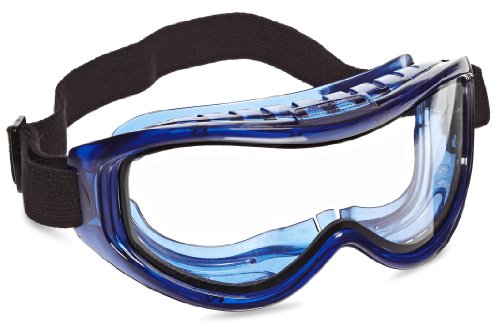
Best Soap Making Goggles (2026): Lye Takes Eyesight, and Glasses Are Not Enough
Sodium hydroxide dissolves protein, which is how it turns oil into soap and also what it does to an eye. A splash does not sting and then wash out; it keeps reacting, and it can take sight permanently in seconds. Safety glasses leave the sides open, and a splash from a stirring pot does not arrive from straight ahead.

Best Candle Fragrance Oils (2026): Why Essential Oils Are Not the Answer
The most common disappointment in candle making is a candle that smells wonderful cold and of nothing at all when lit. Almost always the cause is one of three things: the wrong kind of oil, too little of it, or not enough patience before burning. None of them are obvious, and shops sell essential oils next to fragrance oils as though they were interchangeable.

Best Candle Making Kit for Beginners (2026): 3 Picks
A soy candle starter kit is one box with everything you need to pour your first candles: wax, wicks, fragrance, a pouring pitcher, and jars or tins. The spec that actually matters for a beginner is soy wax (not paraffin or a "blend"), because it melts at a low temperature, pours easily, and is very forgiving when you get the amount or timing a little wrong.

Best Candle Pouring Pitcher (2026): The Spout Is the Whole Tool
Everything else in candle making tolerates improvisation. The pour does not. You are moving hot liquid wax into a narrow-mouthed jar around a centred wick, and a pot without a proper spout dribbles down the outside, floods the wick and leaves you cleaning wax off a worktop instead of making candles.

Best Beakers for Perfume Making (2026): Borosilicate, and Small
Perfumery works in small volumes and strong solvents, which rules out most measuring vessels in a kitchen. Plastic absorbs fragrance and hands it to the next blend; soda-lime glass is fine until something warm goes in it. Borosilicate solves both, and the sizes you actually need are smaller than any set will sell you.

Best Bottles for Perfume Making (2026): Roll-On or Spray Decides It
The bottle question looks like packaging and is actually a formulation question. Oil-based perfume goes in a roll-on; alcohol-based perfume needs an atomiser, because rolling it on wastes the top notes and defeats the point of using alcohol at all. Get that the wrong way round and you have bought the wrong thing regardless of how nice the glass is.