Best Candle Making Kit for Beginners (2026): 3 Picks
A soy candle starter kit is one box with everything you need to pour your first candles: wax, wicks, fragrance, a pouring pitcher, and jars or tins. The spec that actually matters for a beginner is soy wax (not paraffin or a "blend"), because it melts at a low temperature, pours easily, and is very forgiving when you get the amount or timing a little wrong.
HobbyStack may earn a commission from links on this page at no extra cost to you. Our picks are chosen on merit; the commission helps fund the research.
- You do not need to spend much to start. A $25 soy kit will get you real, burnable candles on your first try.
- Soy wax is the easy mode for beginners. It melts low, pours clean, and forgives small mistakes better than paraffin.
- The main thing that separates kits is how many candles you can make and whether you get an electric melter instead of a stovetop pot.
- The most common beginner mistakes (sinkholes, wet spots, tunneling) are about pour temperature and wick size, not the kit. Any of these three can make good candles.
 DIY Gift Kits Soy Candle Making Kit (49-Piece)Trying candle making once without spending much$21Check price
 Our pickFAIRYELF Soy Candle Making KitMost beginners who want to make a real batch$45Check price
 Yayena Candle Making Kit with Digital Wax WarmerBeginners who want an electric melter from day one$48Check price
Start by deciding how much you actually want to commit before you know if you like this. If you are curious and just want to try it once, a small budget kit is genuinely fine. It comes with enough wax for a couple of candles, a basic pouring pot, wicks, and a few scents, and that is all you need to learn the steps: melt the wax, add fragrance, set the wick, pour, wait. You will probably run out of wax quickly, but by then you will know whether you want to keep going.
If you are fairly sure you will make more than a few, get a complete kit that makes 6 to 8 candles and includes its own jars. This is the sweet spot for most people. You get real containers (not just tins), several fragrances so you can find one you like, a proper pouring pitcher, and enough wax to practice. Making a batch of 8 is also where you start to get consistent, because you repeat the same pour enough times to feel what the right temperature and wick length actually do.
Spend up only if you want an electric wax melter instead of using a pot on your stove. A melter with a temperature dial makes pouring more repeatable and is a little safer and less messy, and deluxe kits usually throw in more jars, more scents, and dyes. It is a nice upgrade, but it is not needed to make good candles. Plenty of people pour great candles for years with a $6 stovetop pitcher, so treat the melter as a convenience, not a requirement.
 Best budget pick
DIY Gift Kits Soy Candle Making Kit (49-Piece)
A low-cost first-try kit with soy wax, a pouring pot, wicks, tins, and three essential-oil scents.
What's good
- Cheapest real way to make actual candles, not a toy
- Includes a pouring pot, so you can start on a stovetop right away
- Comes with 3 scents so you can try different smells
- Simple step-by-step instructions aimed at first-timers
What's not
- Only enough wax for a few small candles
- Tins only, no glass jars
 Best all-in-one kit
FAIRYELF Soy Candle Making Kit
A complete kit that takes the guesswork out of a first pour. The FAIRYELF set bundles the parts a beginner needs to make real candles: natural soy wax, wicks, fragrance, dye, a pouring pitcher, and tins or jars, so you can go from box to first candle in one afternoon without sourcing pieces separately. Soy wax is the forgiving, clean-burning choice to learn on. It is a starter kit rather than a bulk supply, so you will restock wax as you get hooked, but as a complete, do-it-today introduction it nails the essentials.
What's good
- Complete: soy wax, wicks, fragrance, pitcher, jars
- Forgiving, clean-burning soy wax to learn on
- Everything to make candles in one afternoon
- No sourcing pieces separately
What's not
- Starter quantity, restock wax as you continue
- Fragrance selection is basic
 Best premium pick
Yayena Candle Making Kit with Digital Wax Warmer
A deluxe kit built around a digital wax melt warmer, with soy and beeswax, aromatherapy oils, dyes, jars, and molds.
What's good
- Digital wax warmer replaces the stovetop, so pours are more repeatable
- Includes both soy and beeswax to experiment with
- Comes with jars, molds, dyes, and multiple aromatherapy oils
- Temperature control makes it a little safer and less messy
What's not
- Most expensive of the three by a good margin
- The melter is a convenience you do not strictly need to make good candles
You do not. Soy wax is the standard beginner wax for good reason. It is cheap, melts at a low temperature so it is hard to scorch, and cleans up with soap and warm water. Beeswax burns beautifully but is pricier and fussier to work with. Start with soy and you will make a candle that actually smells and burns well the first weekend.
Before you buy
Check how much wax you get, not just the piece count. A '49-piece kit' can still be 1 to 2 lbs of wax, which is only a few candles. Piece count counts tiny things like stickers.
Make sure it includes a thermometer, or plan to buy a cheap one. Pouring at the right temperature (usually around 130 to 140 F for soy) is the single biggest thing that prevents sinkholes and wet spots.
Confirm the kit has enough wicks for the containers it comes with, and ideally a few spare. Wick size affects the burn more than almost anything, so having extras to test with helps.
If the kit uses a stovetop pouring pot, you also need a pot or pan to sit it in for a water bath. Kits with a built-in electric melter skip this step.
Candle making kit FAQ
How many candles can you make with a beginner kit?
Is soy wax better than paraffin for beginners?
Do I need an electric wax melter to start?
Why did my first candle sink or crack in the middle?
For most beginners the complete FAIRYELF kit is the one to get. It makes 8 candles, comes with its own jars, a pitcher, and several scents, so you get enough repetition to actually get good without overspending. If you just want to try it once, the DIY Gift Kits box is a genuinely fine cheap start, and the Yayena deluxe kit is worth it only if you want an electric melter from day one.
Ready to actually do it?
The first candle making quest takes an evening, and it tells you whether the gear was worth it better than any review can.
Start Candle MakingThe HobbyStack editorial team researches each guide against manufacturer specifications, published resources and practitioner sources. Every product is checked for availability and described against its current listing before publication, and prices are re-checked when guides are updated.
About our editorial process →More gear guides
All guides
Best Candle Fragrance Oils (2026): Why Essential Oils Are Not the Answer
The most common disappointment in candle making is a candle that smells wonderful cold and of nothing at all when lit. Almost always the cause is one of three things: the wrong kind of oil, too little of it, or not enough patience before burning. None of them are obvious, and shops sell essential oils next to fragrance oils as though they were interchangeable.

Best Candle Pouring Pitcher (2026): The Spout Is the Whole Tool
Everything else in candle making tolerates improvisation. The pour does not. You are moving hot liquid wax into a narrow-mouthed jar around a centred wick, and a pot without a proper spout dribbles down the outside, floods the wick and leaves you cleaning wax off a worktop instead of making candles.

Best Macrame Cord (2026): Single Strand Combs Out, Three-Ply Does Not
Cord comes in three constructions and they behave completely differently at the one moment that matters most: whether you can comb the ends out into soft fringe. Single strand combs beautifully. Three-ply gives you a crinkled, curly fringe instead. Braided will not comb at all. Buy the wrong one for your project and the finish is decided for you.

Best Macrame Kit for Beginners (2026): 3 Picks for Your First Knots
A macrame kit gives you the cord, the rings and dowels, and (crucially) a guide, so you can knot your first plant hanger or wall hanging without buying anything separately. The cord is the heart of it: soft 3mm cotton is the beginner standard. Here are three good ones, from a single-project starter to a big multi-project kit with a project book.
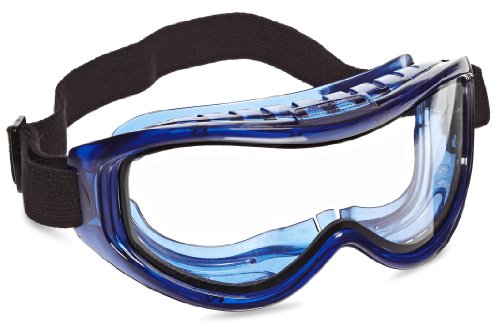
Best Soap Making Goggles (2026): Lye Takes Eyesight, and Glasses Are Not Enough
Sodium hydroxide dissolves protein, which is how it turns oil into soap and also what it does to an eye. A splash does not sting and then wash out; it keeps reacting, and it can take sight permanently in seconds. Safety glasses leave the sides open, and a splash from a stirring pot does not arrive from straight ahead.
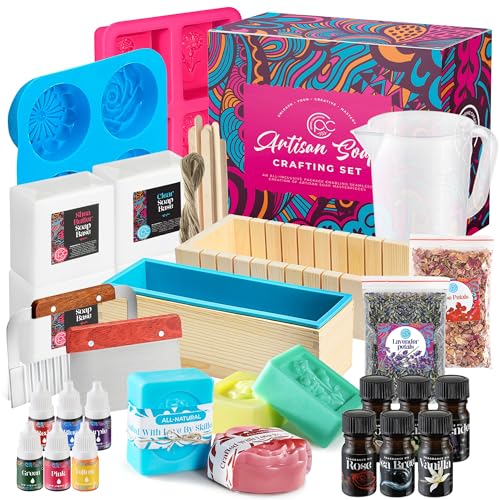
Best Soap Making Kit for Beginners (2026): 3 Melt-and-Pour Picks
The easiest way to start making soap is a melt-and-pour kit, which skips the lye and safety hazards of traditional soap making entirely: you melt a ready-made base, add colour and scent, and pour it into molds. A kit bundles the base, molds, colourants, and fragrance so you can make your first bars in an afternoon. Here are three good ones, from a simple starter to a deluxe box.