Best Beginner Fishing Rod and Reel Combo 2026: Spinning Setups That Just Work
For your first setup, a matched spinning rod-and-reel combo is the right call: it's pre-balanced, forgiving to cast, and gets you fishing without choosing parts you don't understand yet. Here are three combos that punch above their price, from a near-indestructible classic to a saltwater-ready upgrade.
HobbyStack may earn a commission from links on this page at no extra cost to you. Our picks are chosen on merit; the commission helps fund the research.
- For freshwater beginners, a medium-power spinning combo is the right choice — easier to cast than baitcasting, more versatile than fly gear.
- Our pick: the Ugly Stik Elite (~$120). The famous Ugly Stik toughness with better components and a more sensitive tip than the GX2 — the combo you won't outgrow.
- Budget: the Ugly Stik GX2 (~$50). The legendary near-indestructible beginner combo; you genuinely cannot break it, and it catches everything.
- Bigger fish or saltwater? The Ugly Stik Bigwater (~$140) handles heavier line and corrosion better for surf and big-water fishing.
- Whichever you pick, spool it with 8–10 lb monofilament and get a basic tackle kit — that's a complete setup for under $100.
 Our pickUgly Stik Elite Spinning ComboMost beginners$120Check price
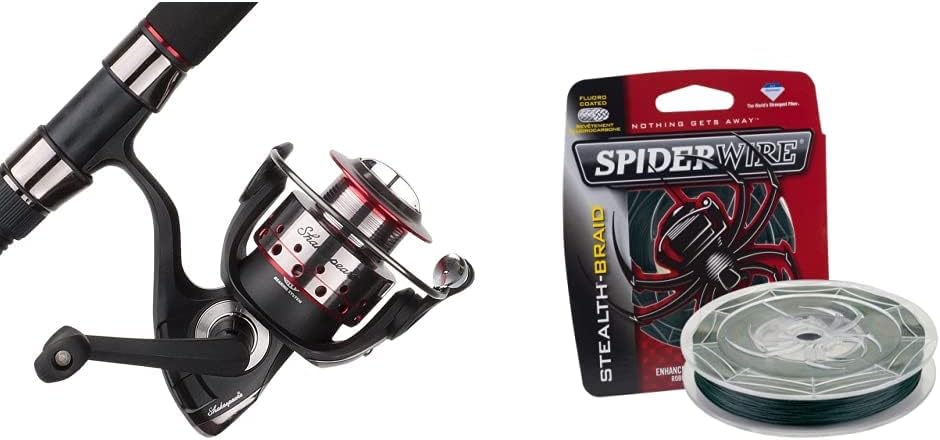 Ugly Stik GX2 Spinning ComboTrying it cheap$92Check price
 Ugly Stik Bigwater ComboBigger fish / surf$140Check price
Why a spinning combo (and not the alternatives)
The two things that derail beginners are choosing gear they don't understand and buying a rod and reel that don't match. A matched spinning combo solves both: it arrives pre-balanced, the spinning reel hangs under the rod and is far more forgiving to cast than a baitcaster (which backlashes into a bird's nest until you learn it), and it handles the widest range of freshwater fishing — bluegill, bass, trout, panfish — on one setup. Fly fishing is a separate discipline with its own gear and casting stroke; baitcasting is a later upgrade for targeting bigger fish at distance. For your first rod, spinning is simply the answer.
How we picked
We weighted these on what matters to a beginner: durability (you will high-stick it, drop it, and slam it in a car door), forgiving casting, a sensitive enough tip to feel bites, and value. The Ugly Stik line dominates beginner recommendations for one reason — the famous Ugly Tech graphite-and-fiberglass build is nearly unbreakable, with a clear tip that telegraphs strikes. The three here are the same DNA at three levels: tough-and-cheap, refined, and big-water-ready.
 Best for most beginners
Ugly Stik Elite Spinning Combo
The sweet-spot beginner combo. The Elite keeps everything that makes Ugly Stik the default beginner brand — the near-indestructible Ugly Tech build and the clear, strike-telegraphing tip — but adds more graphite for a lighter, more sensitive rod and a smoother reel than the budget GX2. It casts forgivingly, feels bites you'd miss on a stiffer rod, and handles everything from panfish to bass. It costs a little more than the GX2, but it's the combo you won't outgrow.
What's good
- Famous Ugly Stik durability — nearly unbreakable
- More sensitive tip than the GX2 (more graphite)
- Smoother reel than the budget line
- Forgiving to cast for total beginners
- Handles the full range of freshwater fishing
What's not
- Costs ~$40 more than the GX2
- Still a do-everything rod, not a specialist
- Heavier than premium graphite rods
 Best under $60
Ugly Stik GX2 Spinning Combo
The combo that has started more anglers than any other. The Ugly Stik GX2 is famous for one thing above all: you genuinely cannot break it. The Ugly Tech graphite-and-fiberglass blank survives car doors, rock slips, and years of abuse that snap delicate rods, the Clear Tip flags bites, and the matched spinning reel casts forgivingly for a total beginner. It's not the most sensitive or refined rod, but for ~$50 it catches everything a beginner targets and outlasts gear costing far more — the lowest-risk possible start.
What's good
- Near-indestructible — you genuinely can't break it
- Cheapest way into a real, balanced combo
- Clear tip flags bites; forgiving to cast
- Catches the full range of beginner species
- Holds value and lasts for years
What's not
- Stiffer, less sensitive tip than the Elite
- Reel is basic (smooth enough, not refined)
- Heavier than pricier graphite rods
 For bigger water
Ugly Stik Bigwater Combo
The combo to get if 'beginner' means 'beginner who's fishing the surf or chasing bigger fish.' The Ugly Stik Bigwater pairs the same unbreakable Ugly Tech toughness with a heavier-power blank, a larger reel that holds more and heavier line, and corrosion-resistant components built to survive saltwater. It's more rod than a pond-and-panfish beginner needs, but for surf casting, pier fishing, or targeting larger species it's a forgiving, durable big-water setup that won't let you down.
What's good
- Handles bigger fish and heavier line
- Corrosion-resistant for saltwater use
- Same legendary Ugly Stik toughness
- Larger reel with more line capacity
- Forgiving despite the heavier power
What's not
- Overkill for small freshwater species
- Heavier and less sensitive for finesse fishing
- Most expensive of the three
A combo gets you a rod and reel — to fish you also need fishing line (spool with 8–10 lb monofilament), a basic tackle kit (hooks, weights, swivels, a few lures), and a state fishing licence ($15–30/year, required for ages 16+). That's another ~$30–40 and you're completely set up.
Before you buy
Spool with 8–10 lb monofilament to start — it handles most freshwater species, has forgiving stretch, and is easy to tie knots with.
Get a 6'6"–7' medium-power rod for the most versatility; longer casts further, shorter is more accurate in tight spots.
Buy a cheap rod-and-reel combo before specialised gear — most beginner mistakes come from rigging or fishing the wrong depth, not the rod.
Rinse the reel and rod with fresh water after every saltwater trip (and occasionally in freshwater) to keep them smooth for years.
Get your state fishing licence online before you go — fishing without one risks fines of $100–500 in most states.
Common questions about beginner fishing combos
Spinning or baitcasting for a beginner?
Why buy a combo instead of a separate rod and reel?
What length and power should a beginner get?
What else do I need to start fishing?
Is the Ugly Stik really that durable?
Can I use one combo for both fresh and saltwater?
For most beginners the Ugly Stik Elite is the buy — the legendary toughness with a more sensitive tip you won't outgrow. Tight budget? The Ugly Stik GX2 catches everything and survives anything for ~$50. Fishing saltwater or bigger water? The Bigwater. Spool 8–10 lb mono, grab a tackle kit and a licence, and go.
Ready to actually do it?
The first fishing quest takes an evening, and it tells you whether the gear was worth it better than any review can.
Start FishingThe HobbyStack editorial team researches each guide against manufacturer specifications, published resources and practitioner sources. Every product is checked for availability and described against its current listing before publication, and prices are re-checked when guides are updated.
About our editorial process →More gear guides
All guides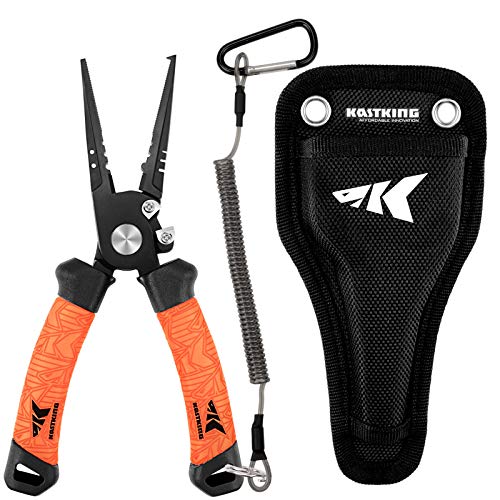
Best Fishing Pliers (2026): Braid Destroys Ordinary Cutters
Braided line is woven from the same fibre used in body armour, and it does not cut so much as fray under a normal blade. A pair of pliers that handles mono perfectly well will chew braid into a fuzzy mess, and the fix is a specific material rather than a sharper edge.

Best Tackle Box for Beginners (2026): 3 Real Picks
A tackle box is where all your lures, hooks, and terminal tackle live, and how you store it shapes how easily you fish. The real question isn't which box is 'best' but how much tackle you carry and how you get to the water: a simple tray box is perfect if you fish from one spot, a backpack is better if you hike or bank-hop, and a modular system is the answer once your collection grows. The key thing to understand is the standard that runs through all of them, the 3700 utility box, which lets you scale storage without starting over. Here are three good options across the range, plus how to choose.

Best Beginner Gardening Pruners 2026: Fiskars vs Felco F-2 vs Felco F-8
Hand pruners are the most-used tool in any garden: deadheading, harvesting vegetables, shaping shrubs, cutting back perennials. The right pair makes clean cuts without crushing stems (which invites disease); the wrong pair bruises more than it cuts. Here are three options: a reliable budget shear, the Swiss-made professional standard, and Felco's ergonomic model for gardeners with hand fatigue.

Best Garden Hose (2026): Why Cheap Hoses Kink and Good Ones Do Not
A garden hose is a thing nobody thinks about until theirs kinks behind them for the fourth time in one watering. The difference between a hose that does that and one that does not is entirely material and construction, both of which are printed on the packaging and both of which most people ignore in favour of length and price.
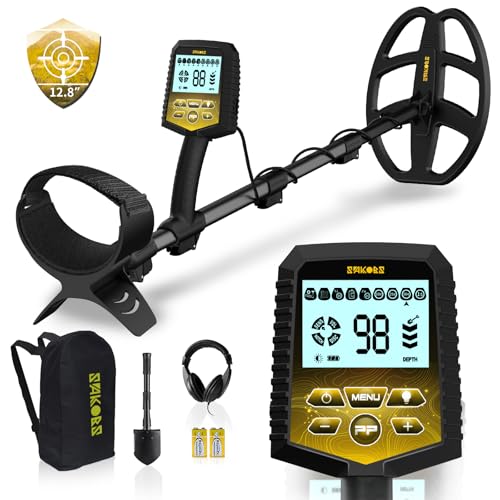
Best Beginner Metal Detector 2026: Nokta Simplex vs Minelab Vanquish
A good beginner detector is one that can tell treasure from trash, which rules out the sub-$100 toys. Spend a bit more and you get discrimination, target ID, and waterproofing that actually find things. Here are three real beginner detectors, from a simple waterproof entry to a buy-it-once multi-frequency machine.

Best Metal Detecting Headphones (2026): You Are Listening for a Whisper
The loud clear signals are usually modern rubbish near the surface. The find worth digging is often a faint, broken whisper at the edge of hearing, and whether you notice it depends almost entirely on whether wind, traffic and your own footsteps are competing with it.