How much does blacksmithing cost?
$382 buys all 6 essentials. $151 of that is the half that has to fit you, and the rest can wait.
6 priced items · checked 10 Sept 2026 · retailer prices, we earn a commission
Everything essential, cheapest sensible pick
$382
6 items, nothing rented
Cheapest real way in
$151
The half that has to fit you. Borrow or rent the rest.
Against 247 hobbies
Top 10%
Dearer than 90% of them. Median hobby: $84.
What each thing costs
Every essential item, cheapest sensible option first. Mid-range and top picks alongside.
Buy this first
$151The cheap half of the kit, and the half that has to fit you. You keep all of it whatever you decide about the rest, so this is where the first money should go.

Propane Forge
$65A single-burner propane forge is the standard beginner choice. Reaches forging temperature (1,000–1,200°C) in 10–15 minutes, produces minimal smoke, and works in a garage or outdoor space. Upgrade to a two-burner only if you plan to work with large stock.
VEVOR Single-Burner Propane Forge
top $1043



Slack Tub & Wire Brush
$8A slack tub (any large bucket of water) quenches hot metal and cools your tongs between heats. A stainless wire brush knocks off fire scale — the iron oxide crust that builds up on heated steel — before it embeds in your work.
Large Metal Bucket 5 Gallon
The main buy
$231The expensive part, and the part worth deferring. Rent, borrow or buy used until you have done blacksmithing enough times to know you are staying.

Later, if you stay
Not needed to start. These are the upgrades that matter once the habit has stuck.
Chisels & Punches
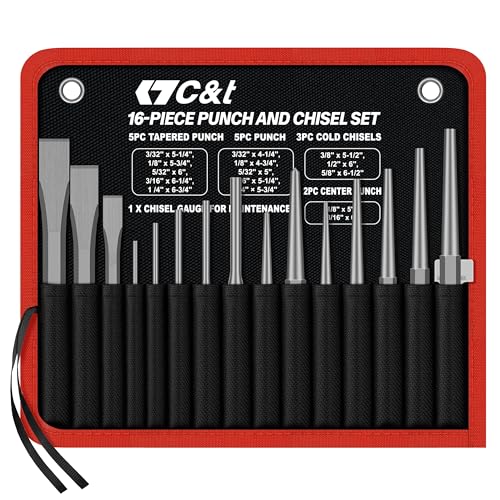
$14Hot chisels split and cut heated steel; cold chisels work on room-temperature metal. Punches drift holes. Both are used in almost every intermediate project and are worth adding after your first 5–10 sessions.
Mayhew Tools 61430 Cold Chisel Set, 3-Piece

Post Vise / Leg Vise
$50A post vise (or leg vise) mounts to your workbench and handles twisting, bending, and holding stock while you work. Unlike bench vises, the leg extends to the floor to absorb hammer blows. Essential once you move past beginner projects.
VEVOR Bench Vise 6 Inch, Double Swivel Rotating

Hardy & Swage Tools
$52Hardy tools fit into the square hole (the hardy hole) in your anvil. A hardy cut-off lets you cut hot steel at the anvil; swage blocks shape rounded profiles. Advanced tools worth adding in your second year.
Hardy Cut-off Tool for Anvil Hardy Hole

Blacksmithing costs more to start than 90% of the 247 hobbies we price. The median is $84.
Cost questions
How much does Blacksmithing cost to start?
About $382 for the 6 essential items, taking the cheapest sensible option for each. $151 of that is the cheap half, and the remaining $231 can wait until you know you are staying.
What does each thing cost for Blacksmithing?
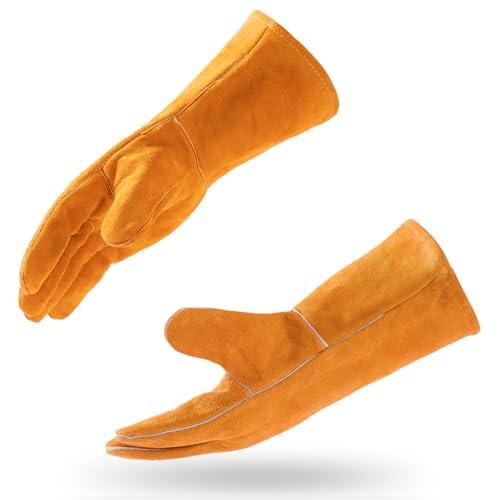
Anvil: from $231. Propane Forge: from $65. Tongs: from $46. Blacksmithing Hammer: from $23. Safety Gear: from $10. Slack Tub & Wire Brush: from $8.
Is Blacksmithing an expensive hobby?
Blacksmithing costs about $383 to start, dearer than 90% of the 247 hobbies we price. The median hobby costs $84, so this is one of the pricier ones to get into.
What should I buy first for Blacksmithing?
propane forge, blacksmithing hammer, tongs, safety gear, slack tub & wire brush — $151 together. They are the cheap half of the kit and the half you keep whatever you decide about the rest.
Hobbies that cost about the same
The 6 nearest to blacksmithing by startup cost, out of 247.