Best Beginner Forge for Blacksmithing 2026: Hell's Forge vs VEVOR vs NC Tool
The forge is the heart of your shop, it's what gets steel hot enough to move under the hammer. For a beginner, a propane forge is the right call: it lights in minutes, holds a steady heat, and works in a garage. Here are three solid picks, from a cheap two-burner to a quiet, efficient premium, plus why single-burner is usually the beginner's choice.
HobbyStack may earn a commission from links on this page at no extra cost to you. Our picks are chosen on merit; the commission helps fund the research.
- For most beginners, the VEVOR Forge single-burner (~$239) is the right call — the most-recommended starter forge: compact, fast to temp, holds heat well.
- On a budget, the VEVOR 2-burner (~$189) is cheaper and rated to 2600°F — more burners than a beginner needs, but it works and costs less.
- Going all-in? The NC Tool Whisper Momma (~$449) is quieter and far more propane-efficient — the pick if you forge in a residential area.
- Go propane, not coal, to start. It lights in minutes, holds a steady heat, and makes almost no smoke — practical in a garage or yard.
- A single burner is enough. It reaches forging temp (1,000–1,200°C) in 10–15 minutes and handles all beginner and most intermediate work. Add burners only for long stock.
 Our pickVEVOR Single-Burner Propane ForgeMost beginners$74Check price
 VEVOR 2-Burner ForgeTrying it cheap$110Check price
 NC Tool Whisper MommaQuiet & efficient$1043Check price
Propane vs coal — and why single-burner
For a beginner, a propane forge is almost always the right starting point. It lights in minutes, holds a steady, controllable heat with the turn of a valve, and produces almost no smoke or clinker — which means you can run one in an open garage or yard without a chimney. Coal forges are traditional and give a different kind of fire control, but they're smokier, messier, and steeper to learn. Start propane; revisit coal later if you want to.
The other beginner question is how many burners. A single burner reaches forging temperature (1,000–1,200°C / orange-yellow heat) in 10–15 minutes and is genuinely all you need for hooks, knives, and most intermediate work. Two burners heat longer stock more evenly — useful if you already know you want to forge blades or long bars — but they burn noticeably more propane. Most people are better served by a well-insulated single burner.
How we picked
We weighted these on what actually matters for a first forge:
- Time to temperature — reaches forging heat in 10–15 minutes so you're working, not waiting.
- Heat retention — a well-insulated chamber holds temperature steadily and wastes less propane.
- Propane efficiency — running cost adds up; an efficient forge stretches every tank.
- Build and portability — sturdy enough to last, compact enough for a garage or small shop.
- Safety and ventilation — designed to run safely in a ventilated space (every propane forge produces carbon monoxide).
 Best for most beginners
VEVOR Single-Burner Propane Forge
A real propane forge to start hammering hot steel. The VEVOR single-burner forge reaches forging temperature (up to about 2600F) in a ceramic-fiber-lined chamber big enough for knives, tools, and small projects, and it runs off a standard propane tank so you can set it up in a garage or driveway. It is not a heavy production forge, and the regulator and burner are basic, but for a beginner blacksmith learning to move metal it gets hot enough, fast enough, for a fraction of the price of a name-brand forge.
What's good
- Reaches forging heat, up to about 2600F
- Ceramic-fiber chamber fits knives and small work
- Runs off a standard propane tank
- A real forge at a beginner price
What's not
- Basic burner and regulator
- Single burner, not for big production work
 Best under $200
VEVOR 2-Burner Forge
If budget is the deciding factor, the VEVOR two-burner gets you forging for under $200 and is rated to 2600°F. Two burners give faster, more even heat across longer stock — more capability than a beginner strictly needs, and the trade is higher propane consumption and a little less finesse at low heats. Fit and finish are rougher than the Hell's, but it's a real, working forge that'll take you through your first year.
What's good
- Cheapest way into a real propane forge
- Two burners heat longer stock evenly
- Rated to 2600°F
- Plenty of capability for first-year work
What's not
- Two burners use more propane than a beginner needs
- Rougher fit and finish than the Hell's
- Less precise at low working heats
 Quiet & efficient
NC Tool Whisper Momma
The NC Tool Whisper Momma earns its name: it runs far quieter than a typical blown forge and uses noticeably less propane, which makes it the pick if you forge in a residential area or simply want lower running costs. It reaches and holds forging temperature reliably and is built to last. More than a beginner strictly needs, but a genuine long-term forge if you know you're committed.
What's good
- Much quieter — good for residential areas
- Significantly lower propane consumption
- Reaches and holds heat reliably
- Built to last for years
What's not
- The most expensive option here
- More forge than a first-timer needs
- Single chamber, like the Hell's
A forge means fire and carbon monoxide. Always run it with ventilation (an open garage door or outdoors), keep a Class B / ABC fire extinguisher within reach, and never leave a lit forge unattended. Propane combustion produces CO — never forge in a closed space.
Before you buy
Single burner is the beginner default. It reaches forging temp in 10–15 minutes and does almost everything. Add burners only when you regularly heat long stock.
Budget for the propane too. A 20 lb (BBQ) tank plus a regulator and hose are often extra — check what's included.
Plan ventilation first. An open garage door or an outdoor spot is non-negotiable — propane produces carbon monoxide.
Heat retention beats raw power. A well-insulated forge holds temperature with less gas — it's why the recommended and premium picks win on efficiency.
You don't need coal. Propane is cleaner, faster, and far easier for a beginner — revisit coal later if you want the traditional fire.
Common questions about beginner forges
Propane or coal forge for a beginner?
Do I need a one-burner or two-burner forge?
What temperature does a forge need to reach?
Can I run a propane forge in my garage?
What else do I need besides the forge?
How much propane does a forge use?
For most beginners, the VEVOR Forge single-burner is the buy — the most-recommended starter, efficient and compact. Tight budget? The VEVOR 2-burner forges for under $200. Working in a residential area or want low running costs? The NC Whisper Momma is the upgrade.
Ready to actually do it?
The first blacksmithing quest takes an evening, and it tells you whether the gear was worth it better than any review can.
Start BlacksmithingThe HobbyStack editorial team researches each guide against manufacturer specifications, published resources and practitioner sources. Every product is checked for availability and described against its current listing before publication, and prices are re-checked when guides are updated.
About our editorial process →More gear guides
All guides
Best Beginner Anvil 2026: 3 Honest Picks for New Blacksmiths
You'll spend a lot of years on whatever anvil you buy. Skip the Amazon cast-iron traps: here are the three anvils worth buying as a beginner, ranked by what you actually get for your money. Plus the one we won't pretend is on Amazon.

Best Beginner Blacksmith Hammer 2026: Picard vs Nordic Forge vs Estwing
After the anvil, the hammer is the tool you'll hold every second you forge, so its balance and feel matter more than almost anything. A 2–3 lb cross peen or rounding hammer is the beginner standard. Here are three good picks, from a cheap-and-cheerful Estwing to a buy-it-for-life German Picard.

Best Beginner Blacksmith Tongs 2026: Wolf-Jaw vs Starter Tong Sets
Tongs are what stand between your hand and a glowing bar of steel: so the cardinal rule is buy ones that grip properly, because bad tongs drop hot metal. You'll eventually want 2–3 pairs for different stock, but here's where to start: three solid beginner options for flat and round stock.

Best Blacksmith Apron (2026): 3 Real Picks
An apron in a forge is not about keeping clean. Scale flies off hot steel every time you strike it, and it lands on you: small, sharp, and hot enough to burn through a cotton t-shirt and stick. That is the actual job, and it is why the material matters more than anything else on the label. Leather resists sparks and shrugs off scale; synthetics melt, which is worse than no apron at all because molten fabric holds heat against your skin. Beyond material, the real choices are coverage, how it hangs on your shoulders, and whether it has pockets you will genuinely use.

Best Cordless Drill for Woodworking 2026: Ryobi vs DeWalt vs Milwaukee
A cordless drill is the first power tool most woodworkers buy: it drives screws, bores pilot holes for joinery, and assembles your projects. The trick is choosing the right one for a wood shop without overbuying. Here are three picks, and the battery-ecosystem decision that matters more than the drill itself.
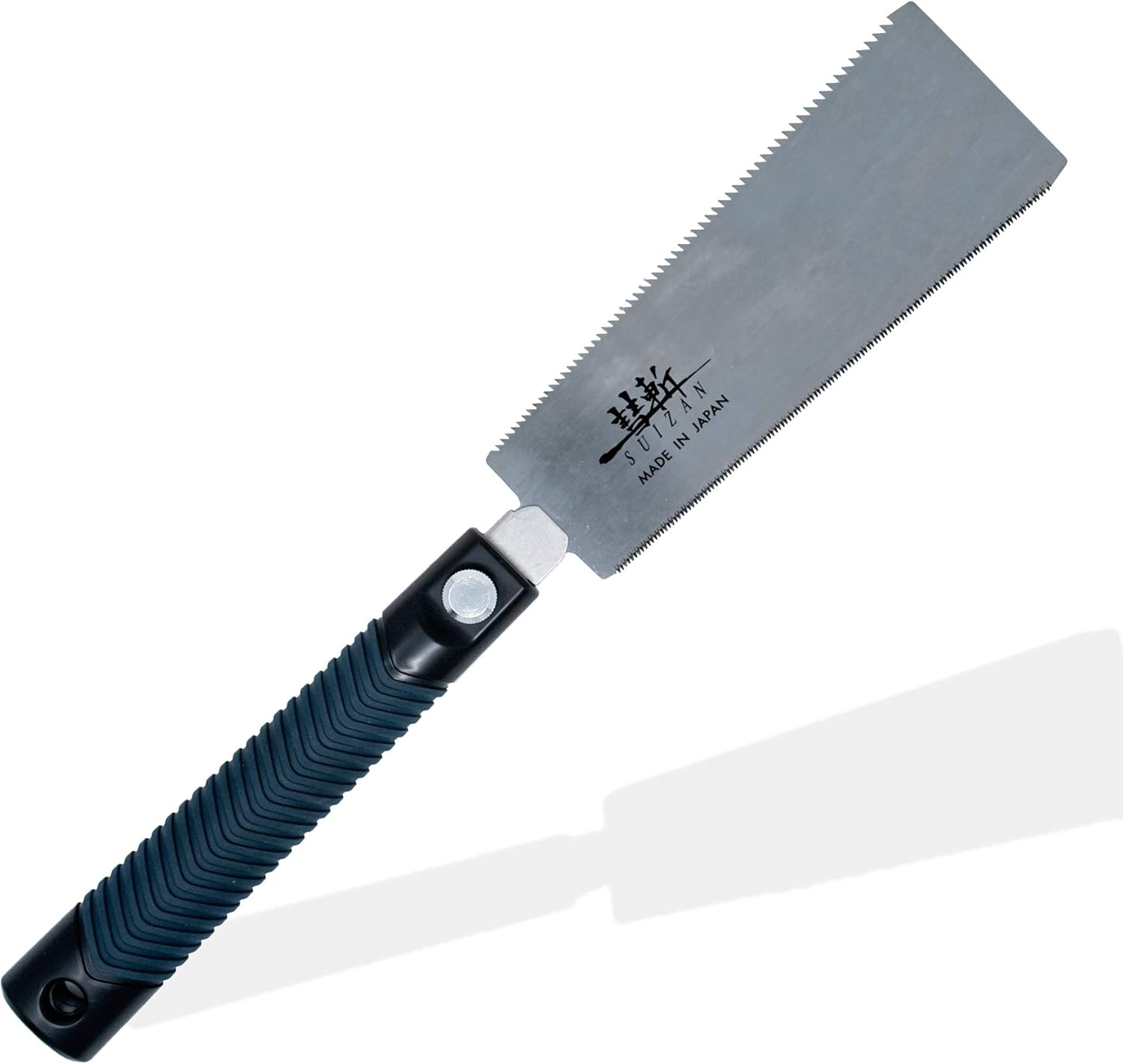
Best Hand Saw for Woodworking 2026: Japanese Pull Saw vs Western
A good hand saw is the most-used tool in beginner woodworking, and the first decision is the stroke: Japanese pull saws cut on the pull (thin kerf, easy control) while Western saws cut on the push (faster through rough stock). Here are three picks and which stroke fits the work you'll actually do.