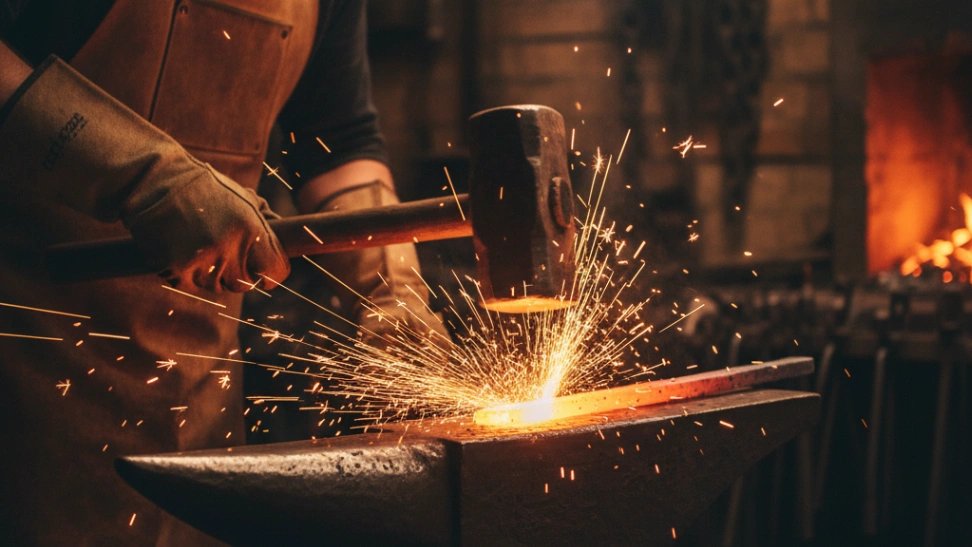
Best Beginner Anvil 2026: 3 Honest Picks for New Blacksmiths
You'll spend a lot of years on whatever anvil you buy. Skip the Amazon cast-iron traps: here are the three anvils worth buying as a beginner, ranked by what you actually get for your money. Plus the one we won't pretend is on Amazon.
HobbyStack may earn a commission from links on this page at no extra cost to you. Our picks are chosen on merit; the commission helps fund the research.
- Buy cast steel, never cast iron. Cast iron anvils deaden every hammer blow and chip within months. The price difference is real ($60 vs $180) but cast iron is wasted money — you will replace it.
- Our pick: the NC Tool Co. 70 lb Anvil with Turning Cams (~$425). American-made cast alloy, hardened face with high rebound, the most trusted name in hobby anvils. Lighter than ideal at 70 lb but the build quality offsets it for the first three years.
- On a tighter budget: the VEVOR Single Horn 116 lb Cast Steel (~$210). 53 HRC face hardness, ~9-out-of-10 rebound (forum-tested), more mass per dollar than anything else on Amazon. Lower fit-and-finish than the NC, but a real working anvil and Amazon's Overall Pick for the category.
- Lifetime upgrade: Peddinghaus #11 (110 lb), ~$1,200. Forged (not cast) German steel, the gold standard. Not sold on Amazon — Pieh Tool Co., Kayne & Son, or Centaur Forge depending on current stock.
- Used antique anvils on Craigslist (Peter Wright, Hay-Budden, Trenton, 100+ lb, $150–350) almost always beat new budget anvils. Worth a hunt before you buy new.
 Our pickNC Tool Co. Big Face 70 lbMost beginners$608Check price
 VEVOR Single Horn Anvil 116 lb Cast SteelTrying it cheap$231Check price
Why your first anvil matters more than your forge
Beginners almost always over-think the forge and under-think the anvil. The forge heats steel; that's it. Your anvil is the workbench every strike lands on. A bad anvil — and most cheap anvils sold on Amazon are bad anvils — actively fights your hammer.
The single most important property of an anvil is rebound. Drop a ball-bearing on the face from a foot up; it should bounce back at least 70% of the height. That bounce is the anvil giving the energy of your hammer blow back to the steel you're shaping, instead of swallowing it. Cast iron rebounds around 30%. Cast steel rebounds 70–90%. After an hour of forging on a cast-iron anvil your shoulder will tell you the difference.
The other property to care about is face hardness — the top of the anvil should be hardened to roughly Rockwell C 52–60. A soft face dents over time and you end up with a workspace pocked with hammer marks. A hard face takes a beating for decades.
Weight matters because of inertia. Heavier anvil = more of your strike goes into the metal being shaped, less into wobbling the anvil around. Below ~65 lb you'll notice a real reduction in how much each blow moves the steel. The traditional advice is "100 lb minimum"; for hobby work on light stock (S-hooks, bottle openers, small decorative pieces) a hardened 70 lb anvil on a solid stand is genuinely fine for the first couple years.
How we picked
Real blacksmiths (and Reddit's r/blacksmithing) consistently warn against the flood of cheap cast-iron "anvils" sold on Amazon and big-box stores. We weighted our picks against:
- Material: cast steel only. Forged steel is even better but rare and expensive at beginner weights.
- Face hardness and rebound: 70%+ bounce; hard face that resists denting (53 HRC minimum).
- Weight: 55 lb absolute minimum, 70–110 lb sweet spot for a starter.
- Build quality: square 1" hardy hole that fits standard tools, well-defined horn, flat working surface.
- Price-to-longevity: a $425 anvil that lasts 30 years beats a $200 anvil that lasts 3.
- Honest availability: only Amazon-stocked products get an Amazon affiliate link. Peddinghaus is great but you buy it elsewhere; we say so.
What we don't recommend: railroad-track "anvils" (functional only because the steel is decent; the working surface is terrible), or any "anvil" under $80 (always cast iron, always a bad first purchase).
 Our top pick
NC Tool Co. Big Face 70 lb
NC Tool Co. is the most-trusted name in American-made hobby anvils, and the Big Face is their flagship beginner-through-intermediate model. Cast alloy with a hardened face that holds up for decades, a 3 3/4" wide working surface that handles flat work cleanly, and a standard 1" hardy hole that fits the tools you'll buy. 70 lb is on the lighter side of the recommended range — mount it on a solid stump or welded steel stand and the mass-to-quality tradeoff is honest. NC Tool Co. backs it with US-based customer service that actually responds.
What's good
- American-made cast alloy with proven 30+ year longevity in the field
- Hardened face — high rebound (~80%), low denting over years of use
- 3 3/4" wide face is generous for flat work and leveling
- Standard 1" hardy hole and pritchel hole fit every common hardy tool
- NC Tool Co. customer support replaces defects without argument
What's not
- 70 lb is lighter than the traditional "100 lb minimum" — needs a solid stand
- $400+ is the real entry price for an American-made quality anvil
- Horn geometry favors farrier work; less wide-curve room than a London-pattern
 Most mass per dollar
VEVOR Single Horn Anvil 116 lb Cast Steel
If you want maximum forging mass under $250 and you can live with rougher fit and finish, the VEVOR 116 lb cast steel anvil is the honest pick — Amazon's algorithmic top pick for the category and the highest-volume hobby anvil on the platform. Forum-tested face hardness around 53 HRC, rebound around 9-out-of-10 (vs ~5 for railroad track), and 116 lb of working mass for under half the NC Big Face's price. The horn is fatter than ideal for fine work and the paint will probably want a sand-and-repaint, but the *anvil* underneath does the job. Real working anvil for hobby projects — S-hooks, hooks, bottle openers, basic decorative work, even knife rough-shaping.
What's good
- Cast steel (not cast iron) with hardened face at a sub-$250 price
- 116 lb of mass — heavier than the NC Big Face for less money
- Both hardy hole and pritchel hole — fits standard hardy tools
- Forum-confirmed rebound and face hardness adequate for hobby work
What's not
- Fit and finish is rough — many users grind down and repaint
- Horn is fatter than ideal; less precise for fine curving and scrolling
- Pritchel hole is in an awkward position relative to the face
- No real warranty — VEVOR replacements depend on Amazon return policy
When you know blacksmithing is staying in your life, the Peddinghaus #11 (110 lb) is the anvil to graduate to. German-made forged steel (not cast), rebound consistently above 85%, exceptionally hard face that stays flat for decades. Routinely passed down for two generations of use. It's not on Amazon — Peddinghaus distributes through specialist suppliers, and we won't fake a link. Current US sources worth checking: Pieh Tool Co. (pieh.com), Kayne & Son Custom Hardware (kaynescompany.com), and Centaur Forge — though stock rotates, so you may need to email or call. Realistic price range: $1,100–1,400 plus shipping. There's no Amazon discount on these. We don't earn a commission on this mention — that's the honest tradeoff for pointing you at the best product.
What "good enough" actually means for a beginner anvil
You don't need a perfect anvil to learn. You need an anvil that doesn't fight you. The five things to check:
1. Material is cast steel or forged steel. This is the only non-negotiable. If the listing says cast iron, ductile iron, or doesn't specify, walk away. Nothing under about $150 in cast steel exists at 60+ lb.
2. Weight is at least 55 lb. Below this you'll be chasing the anvil around the shop. 70 lb is workable with a hardened face on a solid stand; 100 lb+ is the traditional benchmark.
3. The face is hardened. Most modern cast-steel anvils have a heat-treated face. The face should feel hard and ring (not thud) when tapped with a hammer. Look for 53 HRC or higher in the listing.
4. The hardy hole is square and the right size. Standard is 1" — this matches every hardy tool you'll buy. Some cheap anvils have undersized or misshapen holes that fit no standard tools.
5. You have a way to mount it. A 70 lb anvil on a flimsy stand will skip and walk. A 100 lb anvil on a tree stump or a triangulated steel stand is rock solid. Budget for the stand before you order the anvil.
Before you buy
Check Craigslist first. Used antique anvils (Peter Wright, Trenton, Hay-Budden) are almost always a better deal than new budget anvils. Search weekly, set alerts.
Budget for the stand. A $425 anvil on a $20 stand is wasted money. Build a triangulated steel stand or use a hardwood stump at hammer-arm height — for most people that's 28–32 inches from the floor.
Don't buy from listings that won't state the material. "Heavy cast" is code for cast iron. If they won't say "cast steel" or "forged steel," it isn't.
Pick the anvil for the work you'll actually do. Most hobby blacksmiths spend their first year forging hooks, leaves, bottle openers, and small tools. The NC Big Face 70 lb handles all of this comfortably; you don't need 150 lb until you're forging knife blanks or larger architectural pieces.
Hold off on specialty anvils. Stake anvils, bickerns, and dedicated farrier anvils are for specific work. A general-purpose London-pattern or wide-face anvil is the right starter.
Used anvils on Craigslist, Facebook Marketplace, farm auctions, and estate sales are almost always better value than new budget anvils. A 100-year-old Peter Wright, Hay-Budden, or Trenton anvil that's been sitting in a barn will out-work any modern $200 import. Realistic price range: $150–350 for a working 100–150 lb antique. Look for: clear maker's marks, a flat (not deeply chipped) face, sharp 90° edges on at least one side, and obvious mass — these tend to weigh more than they look. Bring a 1" ball-bearing to test rebound on-site.
Common questions about beginner anvils
Why pick the NC Big Face at 70 lb over a heavier anvil?
Is the VEVOR really good enough or am I throwing money away?
Is a cast iron anvil okay to start with?
Will a section of railroad track work as a beginner anvil?
Why isn't the Peddinghaus on Amazon?
Can I find a good used anvil under $250?
Do I need a stand?
How can I tell if a used anvil is worth buying?
For most people, the NC Tool Co. Big Face 70 lb is the buy — the best balance of price, quality, and longevity. Want to spend less? The VEVOR Single Horn Anvil 116 lb Cast Steel gets you started for a fraction of the cost.
Ready to actually do it?
The first blacksmithing quest takes an evening, and it tells you whether the gear was worth it better than any review can.
Start BlacksmithingThe HobbyStack editorial team researches each guide against manufacturer specifications, published resources and practitioner sources. Every product is checked for availability and described against its current listing before publication, and prices are re-checked when guides are updated.
About our editorial process →More gear guides
All guides
Best Beginner Blacksmith Hammer 2026: Picard vs Nordic Forge vs Estwing
After the anvil, the hammer is the tool you'll hold every second you forge, so its balance and feel matter more than almost anything. A 2–3 lb cross peen or rounding hammer is the beginner standard. Here are three good picks, from a cheap-and-cheerful Estwing to a buy-it-for-life German Picard.

Best Beginner Blacksmith Tongs 2026: Wolf-Jaw vs Starter Tong Sets
Tongs are what stand between your hand and a glowing bar of steel: so the cardinal rule is buy ones that grip properly, because bad tongs drop hot metal. You'll eventually want 2–3 pairs for different stock, but here's where to start: three solid beginner options for flat and round stock.

Best Beginner Forge for Blacksmithing 2026: Hell's Forge vs VEVOR vs NC Tool
The forge is the heart of your shop, it's what gets steel hot enough to move under the hammer. For a beginner, a propane forge is the right call: it lights in minutes, holds a steady heat, and works in a garage. Here are three solid picks, from a cheap two-burner to a quiet, efficient premium, plus why single-burner is usually the beginner's choice.

Best Blacksmith Apron (2026): 3 Real Picks
An apron in a forge is not about keeping clean. Scale flies off hot steel every time you strike it, and it lands on you: small, sharp, and hot enough to burn through a cotton t-shirt and stick. That is the actual job, and it is why the material matters more than anything else on the label. Leather resists sparks and shrugs off scale; synthetics melt, which is worse than no apron at all because molten fabric holds heat against your skin. Beyond material, the real choices are coverage, how it hangs on your shoulders, and whether it has pockets you will genuinely use.

Best Cordless Drill for Woodworking 2026: Ryobi vs DeWalt vs Milwaukee
A cordless drill is the first power tool most woodworkers buy: it drives screws, bores pilot holes for joinery, and assembles your projects. The trick is choosing the right one for a wood shop without overbuying. Here are three picks, and the battery-ecosystem decision that matters more than the drill itself.
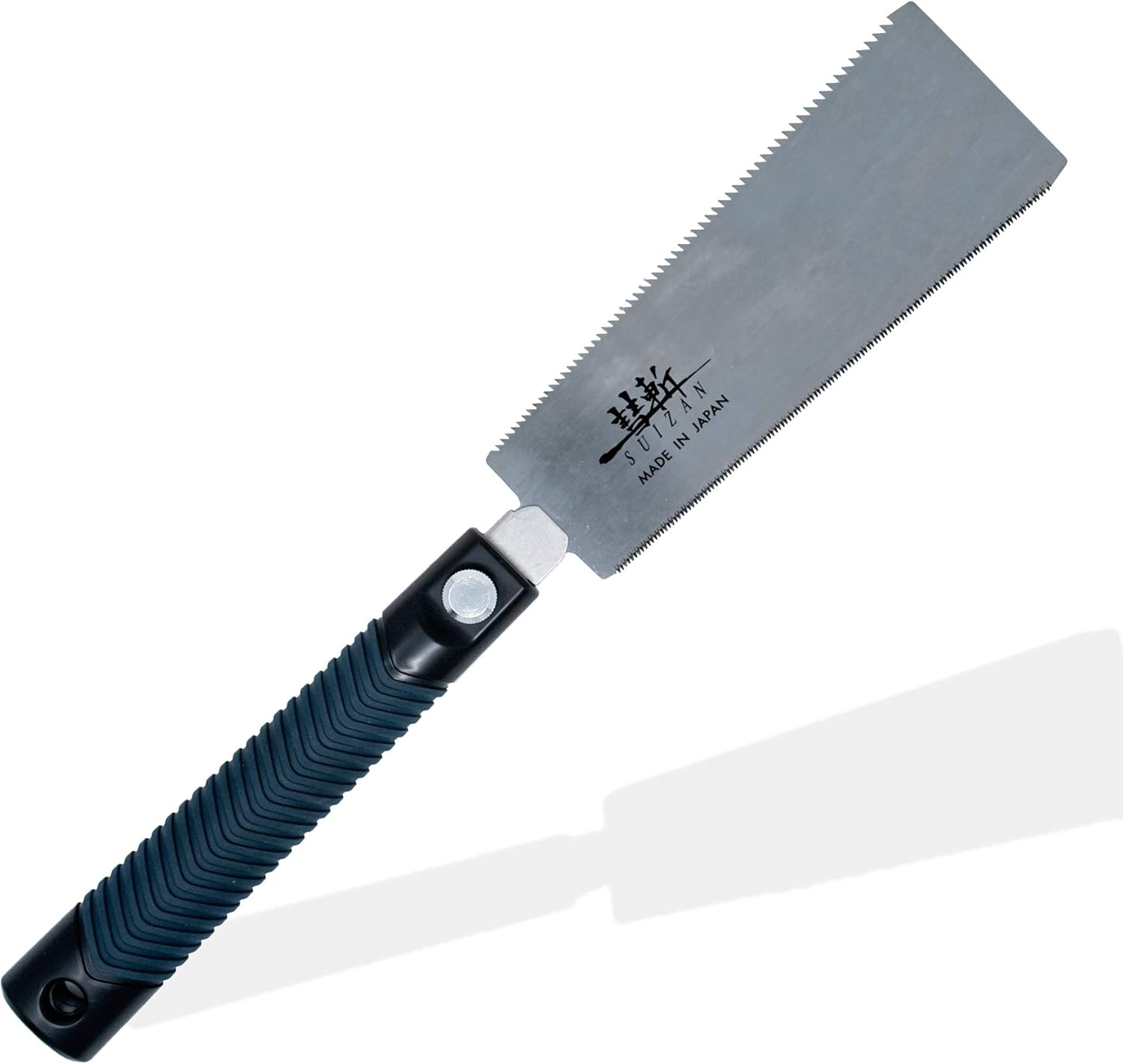
Best Hand Saw for Woodworking 2026: Japanese Pull Saw vs Western
A good hand saw is the most-used tool in beginner woodworking, and the first decision is the stroke: Japanese pull saws cut on the pull (thin kerf, easy control) while Western saws cut on the push (faster through rough stock). Here are three picks and which stroke fits the work you'll actually do.