How much does Woodworking cost?
Real gear costs, sorted by tier. The essentials first — then the nice-to-haves once you're hooked.
Budget starter
$437
Essentials only, cheapest picks
Mid-range
$1033
Essentials, recommended picks
Full setup
$2974
Essentials + optional gear, premium
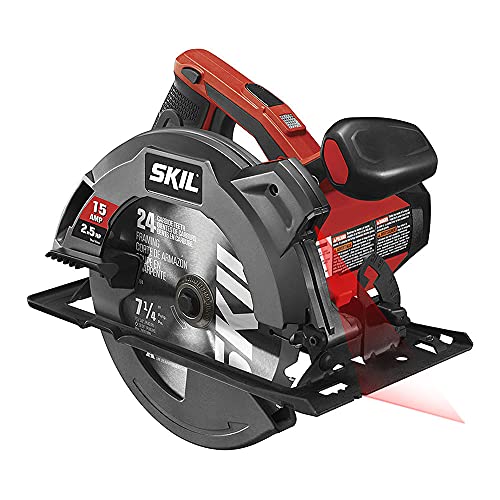
Circular Saw
Jigsaw
optional
Cost questions
How much does Woodworking cost to start?
A budget Woodworking starter kit runs around $437 for the essentials. A mid-range setup is closer to $1033, and a fully kitted setup runs $2974+.
Is Woodworking an expensive hobby?
Woodworking has a higher startup cost — around $437 for essential gear — but most equipment is a one-time purchase that lasts for years.
What do I actually need to buy to start Woodworking?
The essentials are: Circular Saw, Miter Saw, Cordless Drill, Hand Saw, Chisels, and a few more items. The optional gear is nice once you're hooked, but not required to get started.
Can I start Woodworking on a budget?
Yes. The budget tier shown above gets you everything essential for around $437. Avoid buying the premium tier until you've stuck with it for a few months.
Understanding Woodworking costs
The real cost to start Woodworking sits between $437 (bare essentials, budget picks) and $1033 (solid mid-range kit) for the items you genuinely need on day one. A fully equipped setup with optional gear runs around $2974. Those figures assume you're buying new — used gear can cut the entry cost significantly, especially for Woodworking, where secondhand equipment is common.
What's essential vs. optional
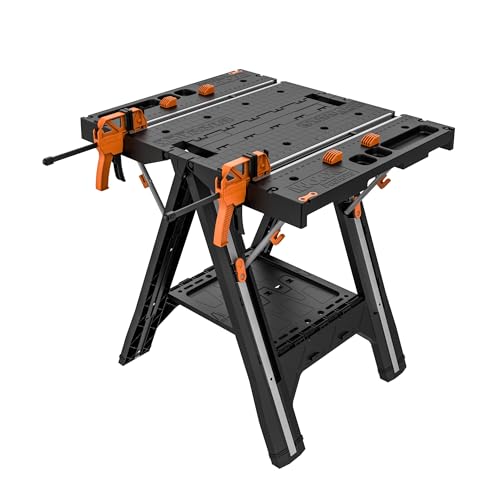
The 10 essential items in this breakdown — Circular Saw, Miter Saw, Cordless Drill, Hand Saw, Chisels, Mallet, Marking & Squaring Tools, Clamps, Measuring Tape, Safety Glasses — are what you actually need to get started. Skip any of these and you'll hit a wall early. The 5 optional items (Jigsaw, Block Plane, Sharpening, Workbench, Random Orbit Sander) are quality-of-life upgrades that matter once the habit is established. Buy them when you've confirmed the hobby is sticking.
Which tier should you start with?
For most beginners, the mid-range tier (~$1033) is the right starting point. Budget picks often create friction that makes it harder to tell if you're struggling with the hobby or just fighting bad equipment. Mid-range gear removes that ambiguity without overcommitting before you know the hobby sticks. The premium tier ($2974+) makes sense once you've been doing Woodworking for six months or more and know exactly where your current gear is holding you back.
What each item is for
- Circular Saw(~$199 mid-range)The workhorse for breaking down plywood and sheet goods, plus rough crosscuts when the miter saw is overkill.
- Miter Saw(~$449 mid-range)The first dedicated cutting tool. Accurate repeatable crosscuts in dimensional lumber — essential for furniture and framing.
- Cordless Drill(~$179 mid-range)The #1 first power tool. Drives screws, drills pilot holes, and handles 80% of beginner projects on its own.
- Hand Saw(~$32 mid-range)A good hand saw is the single most-used beginner tool. Japanese pull saws are easier to start with — they cut on the pull stroke, which gives more control and produces a finer kerf. Western saws cut on the push stroke and are faster through thicker stock.
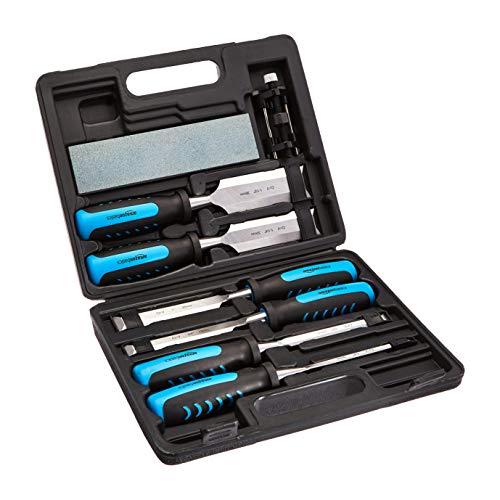
- Chisels(~$45 mid-range)Chisels clean up joints, pare wood to exact dimension, and do the detail work a saw can't. A basic set of 4 widths (6mm, 12mm, 19mm, 25mm) covers most beginner projects. Sharpness matters more than brand — a cheap chisel that's sharp beats an expensive one that isn't.
- Mallet(~$28 mid-range)You need a mallet to drive chisels — using a metal hammer damages the handles and gives too much force. A wooden or rubber mallet is one of the most overlooked items in beginner tool lists.
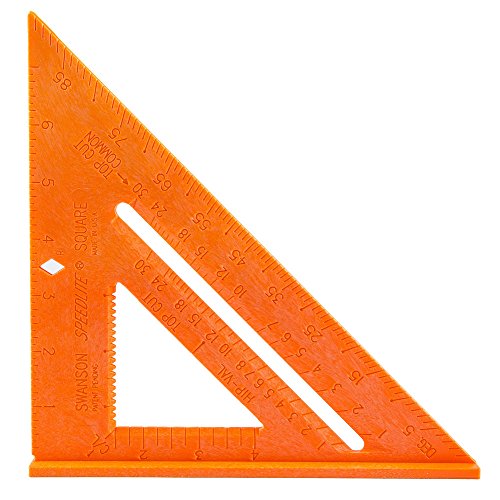
- Marking & Squaring Tools(~$22 mid-range)Accurate marking is what separates clean joints from gaps. A combination square does most of the work: checking 90° and 45° angles, marking lines at depth. A marking gauge scores a precise line along the grain.
- Clamps(~$38 mid-range)You always need more clamps than you think. Spring clamps hold parts while glue sets on small work; bar clamps or F-clamps handle larger glue-ups. Start with at least 4 clamps of one type before adding others.
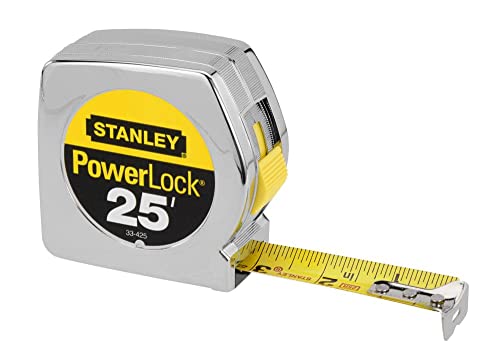
- Measuring Tape(~$19 mid-range)A 16–25 ft tape with a wide blade (25mm+) stays straight when extended — important for marking accurate lines without a second person.
- Safety Glasses(~$22 mid-range)Sawdust, chips, and small splinters are a constant in woodworking. Safety glasses are cheap and non-negotiable.
More on Woodworking
- Woodworking beginner guide — overview, gear picks, and projects
- Full Woodworking gear list with affiliate picks by tier
- Best Cordless Drill for Woodworking 2026: Ryobi vs DeWalt vs Milwaukee
- Best Hand Saw for Woodworking 2026: Japanese Pull Saw vs Western
- Best Miter Saw for Woodworking 2026: Metabo vs DeWalt DWS779 vs Festool Kapex
- Best Beginner Woodworking Chisels 2026: REXBETI vs Irwin Marples vs Narex
- Most popular hobbies right now — ranked by community saves