Best Beginner Blacksmith Hammer 2026: Picard vs Nordic Forge vs Estwing
After the anvil, the hammer is the tool you'll hold every second you forge, so its balance and feel matter more than almost anything. A 2–3 lb cross peen or rounding hammer is the beginner standard. Here are three good picks, from a cheap-and-cheerful Estwing to a buy-it-for-life German Picard.
HobbyStack may earn a commission from links on this page at no extra cost to you. Our picks are chosen on merit; the commission helps fund the research.
- For most beginners, the Nordic Forge 2 lb Rounding Hammer (~$55) is the versatile pick — the rounded face moves metal in any direction, which forgives a developing technique.
- On a budget, the Estwing Sure Strike 40oz (~$38) is a serviceable first hammer — not as refined, but it gets you forging.
- Going all-in? The Picard 1500g Cross Peen (~$65) is the classic German hammer — superb balance, minimal vibration, a lifetime tool.
- Weight: aim for 2–3 lb. Heavier tires you out and hurts accuracy; lighter won't move metal efficiently. Start at the lighter end while your technique develops.
- Avoid very cheap hardware-store hammers — they vibrate badly, ring painfully, and give poor feedback on how the steel is moving.
 Our pickNordic Forge 2 lb Rounding HammerMost beginners$48Check price
 Estwing Sure Strike 40ozTrying it cheap$20Check price
 Picard 1500g Cross PeenBuy it once$93Check price
Cross peen or rounding — and what weight?
Two things define a forging hammer: its face shape and its weight.
A cross peen has a flat striking face and a wedge-shaped peen on the back, good for drawing metal out in one direction. A rounding hammer has a flat face and a domed face — the dome moves metal in any direction, which is more forgiving of off-square blows and makes it the friendlier first hammer for most people.
For weight, the beginner standard is 2–3 lb. Too heavy and you lose accuracy and tire your wrist; too light and you waste effort. Start at the lighter end (around 2–2.5 lb) while your technique develops — you can always add a heavier hammer later. Crucially, balance matters more than raw mass: a well-balanced 2 lb hammer used well moves more metal than a clumsy 3 lb one.
How we picked
The hammer is the tool you hold non-stop, so we weighted feel above everything:
- Balance — a well-balanced head tracks naturally and reduces fatigue.
- Vibration and feedback — a good hammer transmits how the metal is moving, not a painful ring up your arm.
- Face shape for beginners — a rounding face forgives inaccuracy; a cross peen is more directional.
- Weight — 2–3 lb, favouring the lighter end for a developing technique.
- Build and longevity — a properly dressed face and a secure handle that lasts.
 Best for most beginners
Nordic Forge 2 lb Rounding Hammer
A rounding hammer is the friendliest face for a developing technique — the domed end moves metal in any direction, so slightly off-square blows still do useful work where a flat face punishes inaccuracy. At 2 lb the Nordic is light enough to forge with for a full session without wrecking your wrist, and it's a popular, well-balanced beginner choice. The flat face handles general drawing and flattening; the round face spreads and moves stock. A genuinely versatile first hammer.
What's good
- Rounding face moves metal in any direction — forgiving of technique
- 2 lb is comfortable for full sessions
- Versatile: flat face to flatten, round face to move stock
- Popular, well-balanced beginner pick
What's not
- Not the refined balance of a German Picard
- Rounding face takes a little practice to read
- Plainer finish than premium hammers
 Best under $40
Estwing Sure Strike 40oz
The cheap-and-cheerful way to start swinging. The Estwing Sure Strike is a 40oz (2.5 lb) blacksmith's hammer that's serviceable for first-year work — it's not as refined or well-balanced as a Picard, and you'll feel a bit more vibration, but it forges hooks and basic projects perfectly well. A fine choice if you want to find out whether blacksmithing is for you before spending more.
What's good
- Cheapest way to get forging
- Serviceable for first-year work
- Widely available
- No regret if you decide the hobby isn't for you
What's not
- More vibration and less feedback than a quality hammer
- At 2.5 lb, a touch heavy for fine work
- Plain balance — you'll feel the difference if you upgrade
 Buy it once
Picard 1500g Cross Peen
The classic. Picard is the German maker most experienced smiths recommend, and the 1500g cross peen shows why — superb balance, minimal vibration, and the kind of feedback that tells you exactly how the metal is moving. At 1500g (3.3 lb) it's on the heavier side, so it rewards developed technique, but it's a genuine lifetime tool that many smiths never replace. If you already know you're committed, buy this once.
What's good
- Superb balance and minimal vibration
- Excellent feedback — you feel the metal move
- German-made, lasts a lifetime
- The hammer experienced smiths recommend
What's not
- At 3.3 lb, heavier than ideal for a raw beginner
- Costs more than the budget pick
- Cross peen is less forgiving than a rounding face
Don't muscle it — let the hammer do the work. Beginners grip too tight and swing too hard, which causes fatigue and tennis elbow. Hold the handle near the end, keep a relaxed grip, and let the weight of the hammer fall. A 2–2.5 lb hammer used well moves more metal than a heavy one used badly.
Before you buy
Start at 2–2.5 lb. You can always add a heavier hammer later; a too-heavy first hammer wrecks accuracy and your wrist.
Rounding face = forgiving; cross peen = directional. A rounding hammer is the easier first face for most beginners.
Grip near the end, loosely. Choking up and gripping hard is the fast route to fatigue and elbow pain.
Check (or dress) the face. A hammer face should be slightly crowned and smooth — sharp edges leave marks in your work. Quality hammers come dressed; cheap ones may need a quick clean-up.
One good hammer beats three cheap ones. Spend on the tool you hold constantly; add specialty hammers later.
Common questions about blacksmith hammers
What weight hammer should a beginner blacksmith use?
Cross peen or rounding hammer for beginners?
Why not just use a regular hardware-store hammer?
Is the Picard worth it over the budget hammer?
How do I avoid blacksmith's elbow and wrist pain?
Do I need more than one hammer?
For most beginners, the Nordic Forge 2 lb rounding hammer is the buy — versatile and forgiving. Just testing the waters? The Estwing gets you forging for under $40. Committed and want a lifetime tool? The Picard cross peen is the upgrade.
Ready to actually do it?
The first blacksmithing quest takes an evening, and it tells you whether the gear was worth it better than any review can.
Start BlacksmithingThe HobbyStack editorial team researches each guide against manufacturer specifications, published resources and practitioner sources. Every product is checked for availability and described against its current listing before publication, and prices are re-checked when guides are updated.
About our editorial process →More gear guides
All guides
Best Beginner Anvil 2026: 3 Honest Picks for New Blacksmiths
You'll spend a lot of years on whatever anvil you buy. Skip the Amazon cast-iron traps: here are the three anvils worth buying as a beginner, ranked by what you actually get for your money. Plus the one we won't pretend is on Amazon.

Best Beginner Blacksmith Tongs 2026: Wolf-Jaw vs Starter Tong Sets
Tongs are what stand between your hand and a glowing bar of steel: so the cardinal rule is buy ones that grip properly, because bad tongs drop hot metal. You'll eventually want 2–3 pairs for different stock, but here's where to start: three solid beginner options for flat and round stock.

Best Beginner Forge for Blacksmithing 2026: Hell's Forge vs VEVOR vs NC Tool
The forge is the heart of your shop, it's what gets steel hot enough to move under the hammer. For a beginner, a propane forge is the right call: it lights in minutes, holds a steady heat, and works in a garage. Here are three solid picks, from a cheap two-burner to a quiet, efficient premium, plus why single-burner is usually the beginner's choice.

Best Blacksmith Apron (2026): 3 Real Picks
An apron in a forge is not about keeping clean. Scale flies off hot steel every time you strike it, and it lands on you: small, sharp, and hot enough to burn through a cotton t-shirt and stick. That is the actual job, and it is why the material matters more than anything else on the label. Leather resists sparks and shrugs off scale; synthetics melt, which is worse than no apron at all because molten fabric holds heat against your skin. Beyond material, the real choices are coverage, how it hangs on your shoulders, and whether it has pockets you will genuinely use.

Best Cordless Drill for Woodworking 2026: Ryobi vs DeWalt vs Milwaukee
A cordless drill is the first power tool most woodworkers buy: it drives screws, bores pilot holes for joinery, and assembles your projects. The trick is choosing the right one for a wood shop without overbuying. Here are three picks, and the battery-ecosystem decision that matters more than the drill itself.
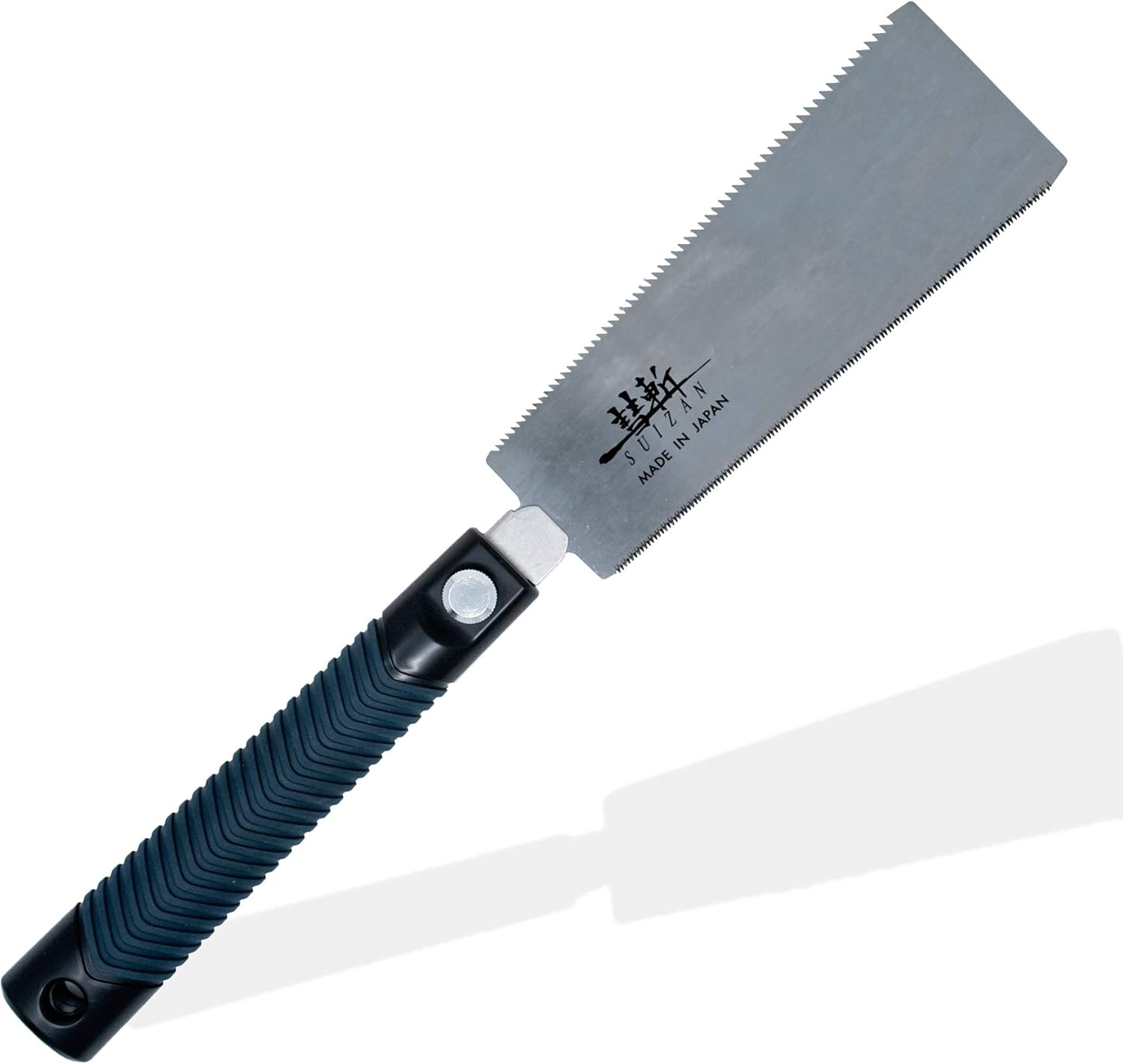
Best Hand Saw for Woodworking 2026: Japanese Pull Saw vs Western
A good hand saw is the most-used tool in beginner woodworking, and the first decision is the stroke: Japanese pull saws cut on the pull (thin kerf, easy control) while Western saws cut on the push (faster through rough stock). Here are three picks and which stroke fits the work you'll actually do.