Food & Drink ›
Mead Making
Mead Making
The further from centre, the more strongly this hobby leans that way. Your quiz answers are scored against exactly these fifteen.
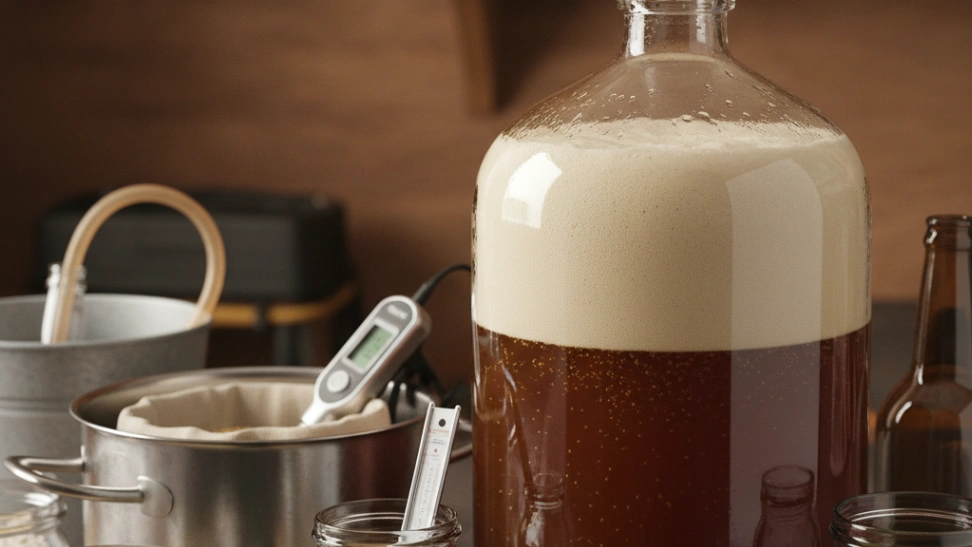
Dissolving honey in water, pitching yeast and leaving it to ferment, then ageing it for months before it is ready.
TonightTime to first win
About an hourA session
Mostly indoorsWhere
Step 1: Get a fermenter, honey and yeast.
Is it you?
What you need3 things
The honest floor, taking the cheapest option in each$110
How we make money: if you buy through one of these we take a small cut, and the price is the same either way. The cheapest option that works is always listed first.
The path13 quests
ASetting up2 things to sort, in any order$75
- Get a fermenter, honey and yeast
- Accept that it will taste rough for months
BThen the quests
- Brew a simple one-gallon mead
- Sanitise everything before it touches the must
- Ferment it out and rack it clear
Same shape of evening, different thing to hold at the end. Or follow a tag sideways.