Best Adjustable Dumbbells for Beginners (2026): 3 Picks for Every Budget
One pair of adjustable dumbbells replaces a whole rack, which is why they're the smartest first buy for a home gym in a spare room or apartment. The catch is the adjustment mechanism and the jumps between weights. Here are three that get it right, from a space-saving budget pair to a gym-grade set you'll never outgrow.
HobbyStack may earn a commission from links on this page at no extra cost to you. Our picks are chosen on merit; the commission helps fund the research.
- A pair that runs to ~50 lb each covers most beginners for years; only experienced lifters need the 90 lb sets.
- Smaller jumps between weights (2.5–5 lb) matter more than the top number — they let you actually progress on small lifts.
- Dial and selector-pin systems adjust in seconds; cheaper spin-lock/plate sets are cheaper but slow to change mid-workout.
- Watch the listing: many show a price for a SINGLE dumbbell. Confirm you are buying a pair (or two).


The whole point of adjustable dumbbells is space and money: one pair replaces 10–15 fixed pairs and a rack. The trade-offs are in the adjustment system and the weight steps. Dial systems (Bowflex) and selector pins/towers (PowerBlock) change weight in a couple of seconds, which keeps drop sets and supersets flowing. Cheaper spin-lock or plate-loaded dumbbells cost less but mean unscrewing collars and swapping plates between sets — fine for slow training, annoying for anything faster.
After the mechanism, look at range and increments. A 5–52.5 lb pair covers nearly every beginner movement for a long time; going to 90 lb only matters once you are strong on rows and presses. Just as important are the jumps: 2.5–5 lb steps let you add a little weight as you progress, while sets that jump 10 lb at a time leave you stuck between 'too easy' and 'too hard' on smaller lifts. Build quality and a secure lock matter too — you do not want plates rattling loose mid-press.
 Best budget pick
FLYBIRD Adjustable Dumbbell
The value pick for a first home setup. A quick dial swaps between weights in seconds and the footprint is tiny, so it tucks into a closet or corner. Build is not gym-grade, but for someone starting out at home it does exactly what a beginner needs at a fraction of the cost of the premium sets.
What's good
- Fast dial adjustment
- Very space-efficient
- Far cheaper than Bowflex/PowerBlock
- Good entry range for beginners
What's not
- Less durable than premium sets
- Often sold as a single — check the listing for a pair
 Best for most beginners
Bowflex SelectTech 552
The default recommendation for good reason. Each dumbbell dials from 5 to 52.5 lb in small steps, replacing 15 pairs, and the change takes a second. The range and increments fit a beginner perfectly — small enough jumps to actually progress, high enough top end to last years. Proven, widely supported, and the safe pick.
What's good
- 5–52.5 lb with small, progress-friendly jumps
- One-second dial adjustment
- Replaces ~15 pairs of dumbbells
- Hugely popular and well-supported
What's not
- Longer than a fixed dumbbell — needs clearance
- Plastic-heavy build vs. all-metal sets
 Best to grow into
PowerBlock Elite EXP
The buy-once option. The boxy all-metal design is the most compact here and the most durable, the selector pin changes weight instantly, and it expands in stages from 50 lb up to 90 lb per hand as you get stronger. Overkill for week one — but if you know you will stick with lifting, you will not outgrow it.
What's good
- Most compact footprint
- All-metal, gym-grade durability
- Expandable from 50 to 90 lb
- Even, balanced feel in the hand
What's not
- Premium price (especially with expansion kits)
- Squarer shape feels different from a classic dumbbell
Adjustable-dumbbell listings are notorious for showing a low price that is actually for ONE dumbbell, not a pair. Before you buy, confirm whether the price and 'add to cart' is for a single or a set of two — otherwise you will be surprised at checkout or end up with one dumbbell.
Which to buy: tight on budget or space and just starting? The FLYBIRD gets you training for the least money. Want the proven, no-overthinking pick? The Bowflex SelectTech 552 is it for most people. Know you are in this long-term and want gym-grade metal that expands to 90 lb? The PowerBlock Elite EXP.
Before you buy
A 5–52.5 lb pair is plenty for beginners; only buy the 90 lb sets if you already lift heavy.
Prioritize small weight jumps (2.5–5 lb) so you can progress on curls, raises, and presses.
Measure your clearance — dial dumbbells at full weight are longer than fixed ones.
A dumbbell stand keeps them off the floor and saves your back picking them up.
Adjustable dumbbell questions
What weight adjustable dumbbells should a beginner get?
Are adjustable dumbbells worth it vs. a fixed set?
Dial vs. selector pin vs. spin-lock — what is best?
Why do the jumps between weights matter?
Are adjustable dumbbells durable enough?
Do I need a bench too?
For most beginners the Bowflex SelectTech 552 is the pick — the right range, small jumps, and a one-second adjustment, all proven over years. Tight on money or space? The FLYBIRD gets you started cheaply. Know you are in it for the long haul? The PowerBlock Elite EXP is the gym-grade set that expands to 90 lb. Just confirm you are buying a pair.
Ready to actually do it?
The first weightlifting quest takes an evening, and it tells you whether the gear was worth it better than any review can.
Start WeightliftingThe HobbyStack editorial team researches each guide using practitioner communities, published resources, and direct input from active hobbyists. Every guide is reviewed for accuracy before publication and updated when practices change.
About our editorial process →More gear guides
All guides
Best Power Rack for a Home Gym (2026): 3 Picks to Lift Safely Solo
A power rack (or cage) is the backbone of a home gym: it lets you squat, bench, and press heavy on your own, because the safety bars catch the barbell if a lift fails. Get this one purchase right and everything else is just plates and a bar. The things that matter are steel gauge (sturdiness), height (does it fit your ceiling), and the safeties. Here are three good ones, from a compact home rack to a heavy-duty cage.

Best Karate Gi for Beginners (2026): 3 Picks by Weight and Feel
Your first karate gi (the white uniform) really comes down to one number: fabric weight, measured in ounces. A lightweight gi is cheap, cool, and perfect for learning, while a heavier gi feels more substantial and makes that satisfying 'snap' when you punch, but costs more and runs hot. Beginners almost always want a light gi to start, and most dojos are happy with a plain white one. The other thing to get right is sizing, since gis shrink, and buying the right belt colour (usually just a white belt to begin). Here are three good ones, from an affordable student gi to a premium heavyweight you grow into.
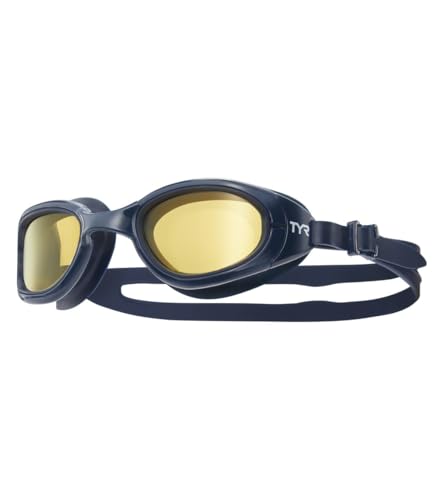
Best Beginner Swim Goggles (2026): 3 Picks That Won’t Leak
Leaky, fogged-up goggles ruin a swim faster than anything. A good pair seals without crushing your eye sockets, stays clear, and disappears once you are in the water. Here are three that nail it, from a lap-swimming staple to a wide-view pair you'll forget you're wearing.

Best Beginner BJJ Gi 2026: Sanabul Essentials vs Fuji All-Around vs Hayabusa Ascend
The gi (also called a kimono) is the one thing you actually have to buy for BJJ. Most gyms let you borrow one for a class or two, but you'll want your own fast, because you sweat into it and wash it constantly. Good news: you do not need an expensive one to start. A $90 gi and a $200 gi feel more alike than the price gap suggests, and nobody at the gym cares what brand you wear. What matters early is that it fits and that it survives being washed after every session. If you think you'll ever compete, you'll also want an IBJJF-legal gi, and the picks below note which ones qualify. Below are three gis beginners actually buy, from a safe budget pick to a nicer one you can grow into.

Best BJJ Rash Guard (2026): Skin Infections Are the Real Reason You Wear One
People assume a rash guard is about friction burn from the mats. That is part of it. The bigger reason is that grappling puts your skin against other people and against a mat surface all session, and ringworm, impetigo and staph move through gyms exactly that way. Fabric between you and everything else is the cheapest prevention there is.
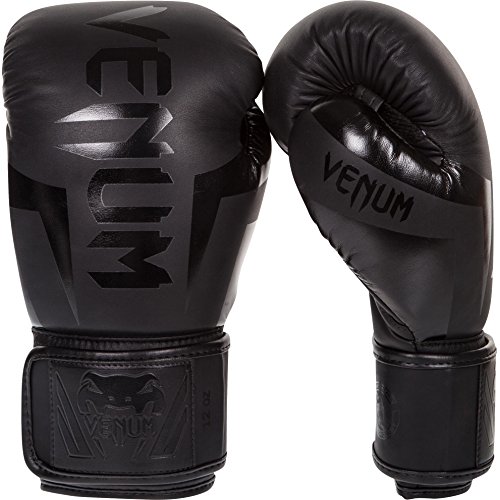
Best Beginner Boxing Gloves (2026): 3 Picks for Every Budget
Your first pair of gloves protects your hands and your training partners while you learn to throw a proper punch. The trick is getting the size and padding right: here are three pairs we'd put on a new boxer, from a gym-bag staple to a pair that lasts for years.