Best Beginner Boxing Gloves (2026): 3 Picks for Every Budget
Your first pair of gloves protects your hands and your training partners while you learn to throw a proper punch. The trick is getting the size and padding right: here are three pairs we'd put on a new boxer, from a gym-bag staple to a pair that lasts for years.
HobbyStack may earn a commission from links on this page at no extra cost to you. Our picks are chosen on merit; the commission helps fund the research.
- For all-around beginner training, 14 oz (lighter/smaller) or 16 oz (heavier/taller) gloves are the safe default — heavier gloves protect your hands and partners.
- You want hook-and-loop (velcro) wrists, not laces, so you can get them on and off solo.
- Always wear hand wraps under your gloves — they protect your wrists and knuckles and the gloves last longer.
- One do-it-all pair is fine to start; only split into separate bag and sparring gloves once you train seriously.


The number that matters most is glove weight (in ounces), and it is about protection, not your body weight as such. Heavier gloves have more padding: 16 oz is the standard for sparring and works for most adults, while 14 oz suits lighter or smaller beginners and bag work. More padding means more protection for your hands and whoever you train with — so when in doubt, go heavier.
Beyond weight, look for a secure hook-and-loop wrist (lace-ups need a partner to tie), a snug but not crushing fit over hand wraps, and decent ventilation so they do not turn into a swamp. Materials run from synthetic leather (budget, fine to start) up to premium engineered or genuine leather that lasts for years. And always wrap your hands underneath — wraps are the cheap insurance that protects the small bones and ligaments gloves alone cannot.
 Best budget gloves
Everlast Pro Style Training Gloves
The gloves in half the gym bags in America, and a fine place to start. Synthetic leather with enough foam padding for bag work and light training, a secure velcro wrist, and a price that makes them an easy first buy. They will not last forever, but they will get you punching properly without overthinking it.
What's good
- Very affordable
- Secure hook-and-loop wrist
- Adequate padding for bag and light training
- Widely available in every size
What's not
- Synthetic build wears faster
- Less wrist support than premium gloves
 Best for most beginners
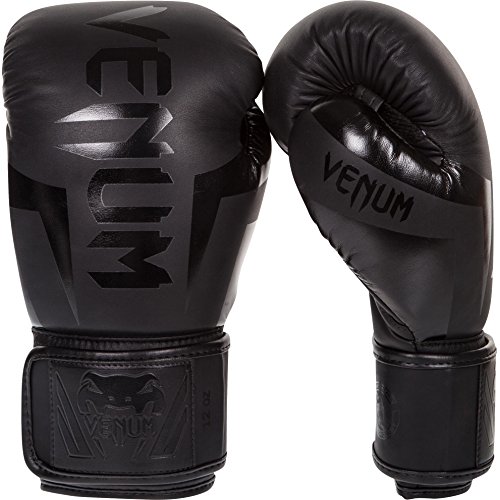
Venum Elite Boxing Gloves
The pair to buy if you know you will keep training. Triple-density foam absorbs impact better than budget gloves, the build quality is a clear step up, and they handle bag work and sparring equally well. The most-recommended glove for new boxers who want one pair that does everything and lasts.
What's good
- Multi-layer foam protects hands well
- Solid wrist support and fit
- Handles both bag and sparring
- Durable for the price
What's not
- Costs more than entry gloves
- Runs slightly snug — wrap accordingly
 Best to grow into
Hayabusa T3 Boxing Gloves
The pair you buy once and use for years. Hayabusa's signature dual-strap wrist system locks your wrist in better than anything in its class, the layered foam is plush and protective, and the engineered leather holds up to heavy use. Overkill for a first week — but if you are serious, the support and durability are worth it.
What's good
- Best-in-class wrist support
- Plush, protective layered foam
- Premium, long-lasting build
- Excellent fit and finish
What's not
- Premium price
- More glove than a casual once-a-week boxer needs
Gloves protect your knuckles; hand wraps protect the small bones, tendons, and your wrist — the things that actually get injured. A $10 pair of wraps under your gloves is non-negotiable from day one, and it keeps the inside of your gloves cleaner and longer-lasting too.
Which pair: training once a week to stay fit? The Everlast gets the job done cheaply. Training regularly and want one pair for everything? The Venum Elite is the easy call. Committed and want gloves that last for years with the best wrist support? The Hayabusa T3.
Before you buy
Default to 16 oz for all-around training and sparring; 14 oz if you are lighter or smaller, or mostly hitting the bag.
Buy hand wraps at the same time — 180-inch wraps for most adults — and learn to wrap properly.
Try them on over wraps if you can; gloves should be snug but not crush your fingers.
Air them out after every session (a glove deodorizer helps) so they last and stay wearable.
Boxing glove questions
What size boxing gloves should a beginner get?
Do I need different gloves for the bag and for sparring?
Velcro or lace-up gloves?
Do I really need hand wraps?
Are expensive boxing gloves worth it?
What are boxing gloves made of?
For most new boxers the Venum Elite is the pick — real padding and wrist support, good for both bag and sparring, built to last. Training casually? The Everlast Pro Style is the cheap, reliable staple. Serious about it? The Hayabusa T3 is the buy-once pair. Whatever you choose, wrap your hands.
Ready to actually do it?
The first boxing quest takes an evening, and it tells you whether the gear was worth it better than any review can.
Start BoxingThe HobbyStack editorial team researches each guide using practitioner communities, published resources, and direct input from active hobbyists. Every guide is reviewed for accuracy before publication and updated when practices change.
About our editorial process →More gear guides
All guides
Best Beginner BJJ Gi 2026: Sanabul Essentials vs Fuji All-Around vs Hayabusa Ascend
The gi (also called a kimono) is the one thing you actually have to buy for BJJ. Most gyms let you borrow one for a class or two, but you'll want your own fast, because you sweat into it and wash it constantly. Good news: you do not need an expensive one to start. A $90 gi and a $200 gi feel more alike than the price gap suggests, and nobody at the gym cares what brand you wear. What matters early is that it fits and that it survives being washed after every session. If you think you'll ever compete, you'll also want an IBJJF-legal gi, and the picks below note which ones qualify. Below are three gis beginners actually buy, from a safe budget pick to a nicer one you can grow into.

Best BJJ Rash Guard (2026): Skin Infections Are the Real Reason You Wear One
People assume a rash guard is about friction burn from the mats. That is part of it. The bigger reason is that grappling puts your skin against other people and against a mat surface all session, and ringworm, impetigo and staph move through gyms exactly that way. Fabric between you and everything else is the cheapest prevention there is.

Best Beginner Tennis Racket (2026): 3 Picks for Every Budget
The right beginner racket is the one that forgives your mishits while you learn to find the sweet spot. That means a lighter frame, a bigger head, and an open string pattern: here are three that get it right, from a no-brainer first racket to one you can grow into for years.

Best Karate Gi for Beginners (2026): 3 Picks by Weight and Feel
Your first karate gi (the white uniform) really comes down to one number: fabric weight, measured in ounces. A lightweight gi is cheap, cool, and perfect for learning, while a heavier gi feels more substantial and makes that satisfying 'snap' when you punch, but costs more and runs hot. Beginners almost always want a light gi to start, and most dojos are happy with a plain white one. The other thing to get right is sizing, since gis shrink, and buying the right belt colour (usually just a white belt to begin). Here are three good ones, from an affordable student gi to a premium heavyweight you grow into.

Best Adjustable Dumbbells for Beginners (2026): 3 Picks for Every Budget
One pair of adjustable dumbbells replaces a whole rack, which is why they're the smartest first buy for a home gym in a spare room or apartment. The catch is the adjustment mechanism and the jumps between weights. Here are three that get it right, from a space-saving budget pair to a gym-grade set you'll never outgrow.

Best Power Rack for a Home Gym (2026): 3 Picks to Lift Safely Solo
A power rack (or cage) is the backbone of a home gym: it lets you squat, bench, and press heavy on your own, because the safety bars catch the barbell if a lift fails. Get this one purchase right and everything else is just plates and a bar. The things that matter are steel gauge (sturdiness), height (does it fit your ceiling), and the safeties. Here are three good ones, from a compact home rack to a heavy-duty cage.