Best Pull-Up Bar 2026: ProsourceFit vs Iron Gym Doorway Bars vs RELIFE Power Tower
A pull-up bar is the cornerstone of home calisthenics, and the first decision is the mount: a doorway bar is cheap, instant, and renter-safe but does pull-ups only, while a free-standing power tower is sturdier and does far more but costs space and money. Here are three honest picks and which one fits your home.
HobbyStack may earn a commission from links on this page at no extra cost to you. Our picks are chosen on merit; the commission helps fund the research.
- For most beginners, the ProsourceFit Multi-Grip (~$36) is the pick — a doorway bar with wide, narrow, and neutral grips and foam padding that mounts in seconds by leverage, no screws and no damage. It covers pull-ups and chin-ups, which is most of what a beginner needs.
- On a budget, the Iron Gym (~$29) is the original leverage-mounted doorway bar — fewer grips, but proven, damage-free, and the cheapest real way to start training pull-ups at home.
- With the space, the RELIFE Power Tower (~$108) is a free-standing station — no doorframe needed, far sturdier, and it adds dips, knee raises, and push-up stations, so it grows with you into the rest of calisthenics.
- Doorway bar vs power tower is the whole decision. A doorway bar is cheap, instant, and renter-safe but pull-ups only and needs a suitable frame; a power tower is bulkier and pricier but rock-solid and does far more.
- Skip: screw-mounted bars if you rent (they damage the frame); ultra-cheap no-name bars (the welds and grips are where they cut corners); and a doorway bar if your frame is too wide or has no trim to brace against — it won't sit safely.


Doorway bar vs power tower — the mount is the decision
Every home pull-up setup is one of two things, and which you pick comes down to your space, your budget, and whether you rent.
A doorway bar braces across the top of a door frame and holds your weight by leverage — the harder you pull down, the more it locks against the frame, so there are no screws and no damage. It mounts and comes down in seconds, costs the least, stores in a drawer, and is the renter's friend. The trade-offs: it does pull-ups and chin-ups only, it's never quite as rock-solid as a fixed bar, and it needs a suitable frame — a standard-width doorway (roughly 24–36 inches) with solid trim above it to brace against. Too wide, or no trim, and it won't sit safely.
A power tower is a free-standing steel station that needs no doorframe at all. It's heavier, sturdier, and far more capable: most include dip handles, a knee-raise station, and push-up grips, so a single tower covers a big chunk of the calisthenics toolkit — pull-ups, chin-ups, dips, L-sits, knee raises. The costs are space (it has a real footprint) and money (several times a doorway bar).
For most beginners in an apartment, a doorway bar is the obvious start. If you've got a corner of a room to spare and know you're in this for the long haul, a power tower is the buy-once option.
 Best for most beginners
Prosource Fit Multi-Grip Chin-Up Pull-Up Bar
The right first bar for most people. The ProsourceFit Multi-Grip is a leverage-mounted doorway bar — it hooks over the top of the frame and your downward pull locks it in place, so there's nothing to screw in and nothing to damage. What sets it apart from bare-bones bars is grip variety: wide, shoulder-width, and neutral (hammer) positions with foam padding, so you can train pull-ups, chin-ups, and the close-grip variations that build the arms, all on one bar. It comes down in seconds to store, and it's rated comfortably for bodyweight training. For an apartment, a beginner, and the large majority of what calisthenics asks of a bar, it's all you need.
What's good
- Multiple grips — wide, narrow, neutral — on one bar
- Leverage-mounted: no screws, no frame damage
- Foam padding for comfortable, secure grips
- Mounts and stores in seconds — renter-friendly
- Plenty of capacity for bodyweight training
What's not
- Pull-ups and chin-ups only — no dip or leg-raise station
- Needs a standard frame with solid trim to brace against
- A doorway bar is never quite as rigid as a fixed mount
 Best under $30
Iron Gym Total Upper Body Workout Bar
The cheapest honest way to start. The Iron Gym is the original leverage doorway bar — the one that made the category — and it works on the same no-screws, no-damage principle: it braces over the door frame and your weight locks it in place. It has fewer grip positions than the ProsourceFit and a more basic build, but for dead hangs, pull-ups, and chin-ups it does exactly what you need, and it's proven across millions of units sold. If you want to find out whether you'll stick with training before spending more, start here — plenty of people keep it as a spare even after upgrading.
What's good
- Cheapest real doorway bar — proven and everywhere
- Leverage-mounted — no screws, no frame damage
- Does the core job: dead hangs, pull-ups, chin-ups
- Light and quick to put up or take down
What's not
- Fewer grip positions than the ProsourceFit
- Basic padding and build quality
- Pull-ups and chin-ups only; needs a suitable frame
 The do-everything station
RELIFE REBUILD YOUR LIFE Power Tower Pull Up Bar Station Workout Dip…
The buy-once option if you have the space. The RELIFE Power Tower is a free-standing steel station that needs no door frame at all, so it sidesteps every doorway-bar limitation. Beyond pull-ups and chin-ups it gives you a dip station, a knee-raise (captain's chair) pad, and push-up handles — which means one piece of equipment covers most of beginner calisthenics. It's adjustable for height, far sturdier than any doorway bar, and rated well above bodyweight. The costs are real estate (it has a permanent footprint) and price (several times a doorway bar). But if you know you're committed and have a corner to give it, it's the last pull-up setup you'll need to buy.
What's good
- Free-standing — no door frame required
- Adds dips, knee raises, and push-up stations
- Far sturdier than a doorway bar; height-adjustable
- Buy-once: grows with you through calisthenics
What's not
- Real footprint — needs dedicated floor space
- Several times the price of a doorway bar
- Some assembly, and not portable once built
A doorway bar is only as safe as what it braces against. Before you hang your full weight, confirm your frame is a standard width (about 24–36 inches) with solid trim or moulding above the door for the bar to lever against — then test it low and slow, taking weight gradually rather than jumping straight into a hard pull. Frames that are too wide, have no trim, or have flimsy moulding aren't safe for a doorway bar — use a power tower instead. With any setup, control the lowering phase of every rep: dropping out of a pull-up is how bars and shoulders get hurt.
How to choose between the three
Pick the ProsourceFit Multi-Grip if you want the best all-round doorway bar — multiple grips, fast mounting, no damage — and you train in an apartment or want something you can take down. This is the right call for most beginners.
Pick the Iron Gym if you want the cheapest proven way to start and you only need pull-ups and chin-ups. It's the no-frills original, and it works.
Pick the RELIFE Power Tower if you have the floor space, know you're committed, and want one station that also does dips and knee raises — the setup you won't outgrow.
If you're unsure and you rent or live in an apartment, get the ProsourceFit — it's the lowest-risk, most flexible start, and you can always add a tower later.
Before you buy
Measure your door frame first. A doorway bar needs a standard-width frame (~24–36 in) with solid trim above it to brace against. Check before you buy.
Renters: avoid screw-mounted bars. The leverage doorway bars here leave no holes and no damage — screw-in bars can cost you a deposit.
Can't do a pull-up yet? That's normal. Pair the bar with resistance bands for assisted reps, or do slow negatives — see the calisthenics gear list for band picks.
More space, more options. If you can spare the floor, a power tower adds dips and leg raises and is far sturdier — worth it if you're committed.
Grips matter. Multiple grip positions (wide / narrow / neutral) let you train more muscles from one bar — a real edge of the ProsourceFit over basic bars.
Common questions about pull-up bars
Doorway bar or power tower for a beginner?
Will a doorway pull-up bar damage my door frame?
How much weight can a pull-up bar hold?
What if I can't do a single pull-up yet?
Will a doorway bar fit my door?
Do I need anything besides the bar?
For most beginners, the Prosource Fit Multi-Grip Chin-Up Pull-Up Bar is the buy — multiple grips, no-damage mounting, and everything a doorway bar should be. Cheapest start? The Iron Gym Total Upper Body Workout Bar is the proven original for ~$29. Got the floor space and the commitment? The RELIFE REBUILD YOUR LIFE Power Tower Pull Up Bar Station Workout Dip… is the free-standing station that adds dips and knee raises and won't be outgrown.
Ready to actually do it?
The first callisthenics quest takes an evening, and it tells you whether the gear was worth it better than any review can.
Start CallisthenicsThe HobbyStack editorial team researches each guide using practitioner communities, published resources, and direct input from active hobbyists. Every guide is reviewed for accuracy before publication and updated when practices change.
About our editorial process →More gear guides
All guides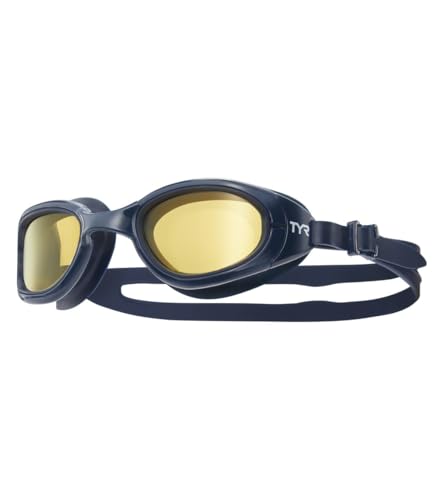
Best Beginner Swim Goggles (2026): 3 Picks That Won’t Leak
Leaky, fogged-up goggles ruin a swim faster than anything. A good pair seals without crushing your eye sockets, stays clear, and disappears once you are in the water. Here are three that nail it, from a lap-swimming staple to a wide-view pair you'll forget you're wearing.
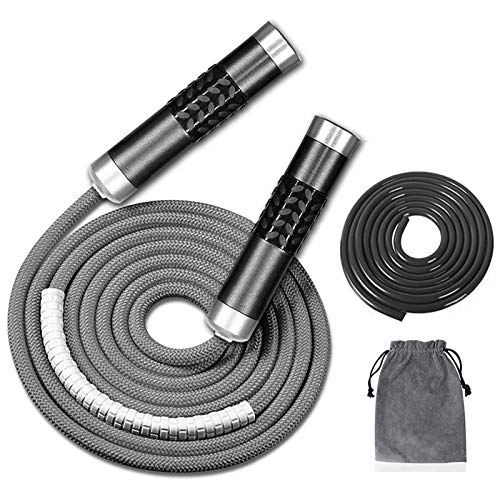
Best Jump Ropes for Beginners (2026)
The right first rope is the one that does not tangle and fits your height. Get that and jumping clicks within a week; grab a cheap knotty one and you will quit in a day. Here are three ropes, from a $9 speed rope to a weighted system you grow into.

Best Running Hydration 2026: Handheld vs Vest (Nathan & Salomon)
Once your runs stretch past an hour, carrying water stops being optional, but how you carry it depends almost entirely on how long you run. A handheld flask covers the daily training run most people do; a vest is what you want when you start going long or hit the trail. Here's how to choose, and why belts have fallen out of favor.

Best Running Shoes for Beginners (2026): Cushioning, Fit and the Gait Myth
Running shoes are sold on technology and bought on hope. The evidence that matching a shoe to your gait prevents injury is far weaker than shop advice implies, while the two things that reliably matter — a shoe that fits properly and one you find comfortable — get treated as afterthoughts. Start there and you will spend less and enjoy it more.

Best Running Watch for Beginners 2026: Garmin Forerunner 55 vs 265 vs 965
A GPS running watch gives you accurate pace and distance at a glance, the one piece of running tech that genuinely changes your training. They're all Garmin Forerunners here (the series owns running), and the only real question is how much watch you need: the essentials, the training metrics, or the maps. For most new runners, the cheapest does everything.

Best Beginner Ice Skates (2026): 3 Figure Skates from First Steps to Lessons
For your first pair of figure skates, the thing that matters most is fit, not looks or the brand on the boot. A skate that is too big or too soft lets your ankle fold inward, which makes skating harder and scarier than it needs to be. All three picks here are from Jackson Ultima, the brand most learn-to-skate programs point beginners toward, and they climb a clear ladder: a recreational skate for casual outings, a proper lessons skate with real ankle support, and a comfortable step-up boot for when you are hooked and skating every week.