Best Aquarium Filter for Beginners 2026: Sponge vs HOB vs Canister
A filter is the lungs of an aquarium: it keeps the water clear and, more importantly, houses the bacteria that keep your fish alive. The first decision is the type, and it's driven by your tank size: a sponge filter for small tanks, a hang-on-back for most beginner tanks, or a canister for big and planted ones. Here are three picks across that divide.
HobbyStack may earn a commission from links on this page at no extra cost to you. Our picks are chosen on merit; the commission helps fund the research.
- For most beginners, the AquaClear Power Filter (~$63) is the pick — a hang-on-back (HOB) filter that's the easy, reliable standard for the large majority of beginner tanks. It clips on the rim, handles mechanical, chemical, and biological filtration in one unit, and its refillable media baskets mean you never buy a proprietary cartridge again. Get the AquaClear size rated for your tank.
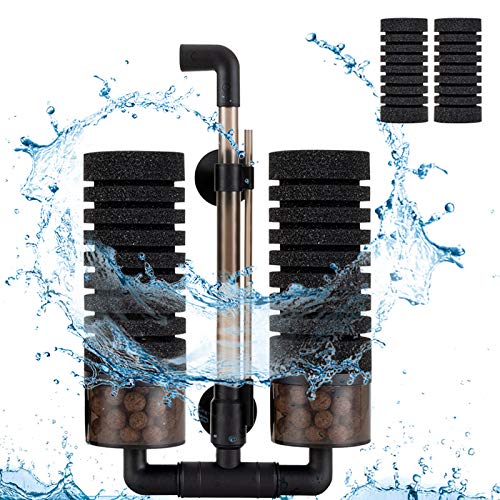
- On a budget — or for a small tank, shrimp, or fry — the hygger Sponge Filter (~$16) is gentle, cheap, and foolproof. It runs on an air pump (sold separately), grows beneficial bacteria beautifully, and won't suck up tiny creatures. The trade is it sits visibly in the tank and does only mechanical and biological filtration.
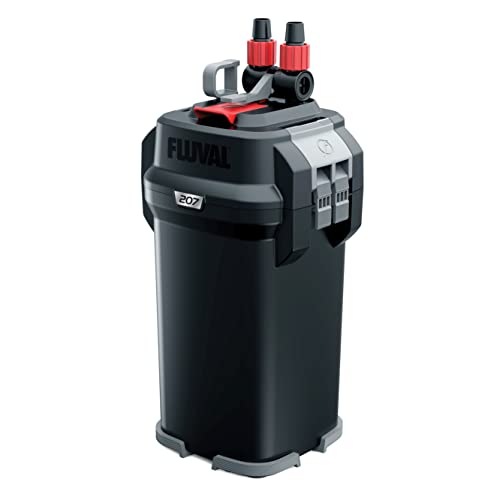
- For bigger or planted tanks, the Fluval 207 Canister (~$153) is the powerful, quiet upgrade — it hides under the tank, holds far more media, and keeps a 40-plus-gallon tank crystal clear. The trade is a steeper setup and a messier periodic clean.
- Filter type is the whole decision, and tank size drives it. Sponge for small tanks and gentle flow; a HOB for most beginner tanks; a canister for big or planted tanks. Match the filter — and its size rating — to your tank, not the other way around.
- Skip: a filter rated for a much smaller tank than yours (under-filtering is the fast track to cloudy, unhealthy water); cartridge-locked HOBs that force you to buy refills forever (AquaClear's reusable media avoids this); and running a sponge filter without an air pump (it needs one to work).

Pick the filter type for your tank — that's the whole call
A filter is the lungs of an aquarium: it pulls water through media that traps debris (mechanical), removes toxins (chemical), and houses the beneficial bacteria that convert fish waste into something harmless (biological). Every healthy tank needs one, and the only real decision is which of three types — driven almost entirely by your tank size.
A sponge filter is the simplest and cheapest: a sponge on an uplift tube, powered by a separate air pump, that grows bacteria and traps debris with a gentle flow. It's ideal for small tanks (under ~20 gallons), shrimp tanks, and fry, where a strong current would be a problem and tiny creatures could be pulled into a powered filter. The downsides: it sits visibly in the tank, it needs an air pump, and it doesn't do chemical filtration.
A hang-on-back (HOB) filter is the beginner standard, and the right answer for the large majority of first tanks. It hangs on the back rim, pulls water up through stacked media, and returns it as a gentle waterfall — easy to install, easy to maintain, and doing all three kinds of filtration in one box. It's the sweet spot of price, power, and simplicity for the 10-to-50-gallon tanks most people start with.
A canister filter is the powerhouse: a sealed unit hidden in the cabinet below the tank, pumping water through large volumes of media. It's quieter, far more powerful, and the choice for big tanks (40+ gallons), heavily-stocked tanks, and planted tanks — at the cost of a more involved setup and a messier periodic clean.
Match the type to your tank, and match the filter's size rating to your gallons. Under-filtering — running a filter rated for a smaller tank than yours — is the single most common beginner mistake, and it shows up as cloudy, unhealthy water.
 Best for most beginners
AquaClear 70 Power Filter, Fish Tank Filter for 40- to 70-Gallon…
The filter most beginners should buy. The AquaClear is a hang-on-back filter — it clips onto the back rim, lifts water up through stacked media, and returns it as a gentle waterfall — and it's the standard for good reason: dead simple to set up, easy to maintain, and doing mechanical, chemical, and biological filtration all in one. Its real edge over cheaper HOBs is the refillable media basket: instead of buying proprietary cartridges forever, you fill it with sponge, carbon, and bio-media that you replace a piece at a time, which filters better and costs less over the years. Get the AquaClear size rated for your tank (they run from small to large), and it'll keep your water clear for years.
What's good
- The easy, reliable HOB standard — right for most beginner tanks
- Does mechanical, chemical, and biological filtration in one
- Refillable media baskets — no proprietary cartridges to buy forever
- Quiet, adjustable flow, and built to last
What's not
- Choose the size rated for YOUR tank (this one suits larger tanks)
- Hangs visibly off the back rim
- Pricier than a basic sponge or cartridge HOB
 Best for small tanks
Aquarium Sponge Filter
Cheap, gentle, and foolproof. A sponge filter is just that — a sponge on an uplift tube — powered by an air pump (bought separately), and it's the perfect filter for a small tank, a shrimp tank, or a tank of fry. The gentle flow won't blast small fish or pull in shrimplets, the big sponge surface grows the beneficial bacteria a tank lives on, and there's almost nothing to go wrong or wear out. It's also the cheapest filtration there is. The honest limits: it does mechanical and biological filtration but not chemical, it sits visibly in the tank, and it needs that separate air pump to run. For tanks under about 20 gallons, none of that is a dealbreaker.
What's good
- The cheapest filtration there is
- Gentle flow — safe for shrimp, fry, and small fish
- Huge bacterial surface; near-impossible to break
- Ideal for small tanks and quarantine setups
What's not
- Needs a separate air pump to run
- Sits visibly in the tank — no hiding it
- No chemical filtration; not for big tanks
 For big or planted tanks
Fluval 207 Performance Canister Filter
The powerhouse for serious tanks. The Fluval 207 is a canister filter — a sealed unit that lives hidden in the cabinet under your tank and pumps water through large trays of media — and it's the upgrade you make when a HOB isn't enough: big tanks (40-plus gallons), heavily-stocked tanks, or planted tanks that demand crystal-clear water and strong, customizable flow. It's quieter than a HOB, holds far more media (so it filters better and you clean it less often), and keeps the tank rim clean and uncluttered. The costs are a more involved initial setup and a messier periodic clean — but for a large tank, the power and water clarity are worth it.
What's good
- Most powerful filtration here — for big and planted tanks
- Holds far more media; cleaner water, cleaned less often
- Quiet, and hidden in the cabinet — clean tank rim
- Strong, customizable flow
What's not
- More involved setup than a HOB or sponge
- Periodic cleaning is messier (if less frequent)
- Overkill — and pricey — for a small beginner tank
The most important thing a filter does isn't trapping debris — it's housing the beneficial bacteria that turn toxic fish waste (ammonia) into harmless nitrate. That's why you should never replace all your filter media at once or rinse it under the tap: chlorine kills the bacteria, and so does throwing out a colonized sponge. Rinse media gently in old tank water you've just siphoned out, replace it a piece at a time, and run a new tank's filter for a few weeks (the 'cycle') before adding many fish. A filter without its bacteria is just a pump — and that's how beginners lose fish to invisible ammonia.
How to choose between the three
Pick the AquaClear HOB if you're setting up a typical 10-to-50-gallon beginner tank. It's the easy, reliable standard — full filtration in one rim-mounted box, with refillable media so you're not buying cartridges forever. The right answer for most people; just get the size rated for your tank.
Pick the sponge filter if your tank is small (under ~20 gallons), or it's a shrimp tank, a quarantine tank, or full of fry. Gentle, cheap, and impossible to break — it just needs an air pump.
Pick the Fluval canister if you have a big tank (40+ gallons), a heavily-stocked tank, or a planted tank that needs serious, quiet, hidden filtration and you don't mind a more involved clean.
If you're unsure and you have a normal-sized first tank, get the AquaClear. It's the filter the most experienced beginners point newcomers toward.
Before you buy
Match the filter's size rating to your tank. Buy a filter rated for your gallons or a bit above — under-filtering causes cloudy, unhealthy water faster than almost anything else.
Avoid cartridge-lock HOBs. Filters that take only proprietary cartridges cost you forever; refillable-media filters like AquaClear filter better and cost less long-term.
A sponge filter needs an air pump. Budget for one (and airline tubing) — the sponge does nothing on its own.
Over-filtering is fine; under-filtering isn't. If you're between two sizes, go bigger — more flow and media is rarely a problem in a freshwater tank.
Cycle the tank before stocking. New filter media has no bacteria yet; run the tank for a few weeks (or seed it with bottled bacteria) before adding many fish.
Common questions about aquarium filters
Which aquarium filter is best for a beginner?
Sponge vs HOB vs canister — what is the difference?
What size filter do I need for my tank?
Do I need an air pump for my aquarium filter?
How often should I clean an aquarium filter?
Can I turn my aquarium filter off at night?
For most beginners with a normal-sized tank, the AquaClear 70 Power Filter, Fish Tank Filter for 40- to 70-Gallon… is the buy — the easy HOB standard, full filtration, and refillable media so you're not buying cartridges forever (~$63). Small tank, shrimp, or fry? The Aquarium Sponge Filter is gentle and cheap (just add an air pump). Big or planted tank? The Fluval 207 Performance Canister Filter is the powerful, quiet canister upgrade. Match the type — and the size rating — to your tank.
Ready to actually do it?
The first aquarium keeping quest takes an evening, and it tells you whether the gear was worth it better than any review can.
Start Aquarium KeepingThe HobbyStack editorial team researches each guide using practitioner communities, published resources, and direct input from active hobbyists. Every guide is reviewed for accuracy before publication and updated when practices change.
About our editorial process →More gear guides
All guides
Best Aquarium Heater (2026): The One Component That Fails Dangerously
Every other piece of aquarium equipment fails by stopping. A heater can fail by staying on, and a stuck-on heater will cook a tank of fish in a day. That is why the interesting question is not which heater warms water — they all do — but which one fails safely and lets you check that it is telling the truth.

Best Aquarium Water Test Kit (2026): The 5-in-1 Strips Do Not Test Ammonia
The thing that kills fish in a new tank is invisible, has no smell, and is not on the strip most beginners buy. Ammonia is what a cycling tank produces first and what does the damage, and the popular 5-in-1 strips test five things that are not it. Knowing that before you buy is most of the value of this page.

Best Beginner Aquarium Starter Kit 2026: 3 Picks Reviewed
The starter kit is the foundation of your first tank: the tank, hood, light, filter, and heater all in one box. Picking the right one is the difference between a stable tank you enjoy and a stressful project you abandon by month three.

Best Air Pump for Hydroponics (2026): Roots Drown Before They Starve
A plant in soil gets oxygen to its roots through air pockets between particles. A plant with its roots in a bucket of water has none of that, and roots without oxygen suffocate and rot within days. In deep water culture the air pump is not an accessory, it is the thing standing between your plants and root rot.

Best Grow Light for Hydroponics (2026): Coverage, Not Watts
Grow lights are sold on wattage, which is the one number that tells you almost nothing about whether plants will grow. Watts measure electricity consumed; what a plant responds to is how much usable light actually lands on its leaves. Two lights drawing the same power can differ enormously on that, and the specification that describes it is on the datasheet rather than the box.

Best Hydroponic Grow Kit for Beginners (2026): 3 Countertop Systems
A countertop hydroponic garden is the easiest way into growing without soil: you drop seed pods into a water reservoir, the built-in LED light and pump do the work, and you get fresh herbs and greens in a few weeks. The two things that matter most are the number of pods (how many plants) and whether you want to tend it yourself or let it automate. Here are three good ones, from a simple herb garden to a large app-controlled system.