Best Beekeeping Starter Kit for Beginners (2026): 3 Complete Hives Compared
A beekeeping starter kit is really a complete hive in a box: the boxes, frames, and foundation your bees will actually live on. Getting a proper 10-frame Langstroth kit (the standard almost every beginner and mentor uses) matters far more than saving a few dollars on an odd design. Here are three good complete kits, from a solid budget hive to a premium wax-coated one.
HobbyStack may earn a commission from links on this page at no extra cost to you. Our picks are chosen on merit; the commission helps fund the research.
- A starter kit is the hive itself: boxes (supers), frames, and foundation. Get a standard 10-frame Langstroth so it matches what every mentor and supplier uses.
- Wax-coated or well-treated wood lasts far longer outdoors than bare pine. It is worth paying a little more for.
- The kit is only part of the cost: you still need a suit, a smoker, a hive tool, and of course the bees.
- Buy the hive early. Bees are usually ordered months ahead for spring, so set the hive up before your bees arrive.
 Honey Lake 10-Frame Beehive Starter KitA real complete hive for the least$116Check price
 Our pickBeeCastle 10-Frame Complete Beehive KitThe complete hive most beginners should buy$129Check price
 Hoover Hives Wax-Coated Beehive KitA premium hive built to last$155Check price
The most important decision is the hive standard, and for a beginner that answer is a 10-frame Langstroth. It is the design the overwhelming majority of hobby beekeepers, clubs, and suppliers use, which means replacement parts, frames, and advice all just fit. A starter kit gives you the stacked boxes, the frames the bees build comb on, and the foundation that guides them. Odd or proprietary hive shapes look tempting but leave you stuck when you need parts or help.
After the standard, it is about wood and protection. A hive lives outdoors in all weather, so wax-coated or properly treated wood lasts years longer than bare, untreated pine. And it helps to be clear on what a starter kit is not: it is the hive, not the whole hobby. You still need protective gear (a suit or jacket and gloves), a smoker to keep the bees calm, a hive tool to pry frames apart, and the bees themselves, which are usually ordered well in advance for spring.
 Best budget hive
Honey Lake 10-Frame Beehive Starter Kit
The value pick that still does it right. A complete 10-frame Langstroth setup with boxes, frames, and foundation, beeswax coated so it holds up outdoors. It is the standard hive design your mentor and supplier will expect, at a price that leaves budget for the suit and smoker you also need. A legitimate first hive without overpaying.
What's good
- Complete 10-frame Langstroth hive
- Beeswax coated for weather resistance
- Standard design, parts fit everywhere
- Leaves budget for suit and smoker
What's not
- Assembly and some finishing expected
- Basic hardware compared to premium kits
 Best for most beginners
BeeCastle 10-Frame Complete Beehive Kit
The step up that just feels more solid. A complete 10-frame Langstroth hive with fully beeswax-coated boxes and quality frames, built to a standard that holds up season after season. It is the same trusted design as the budget pick, with better wood and finishing that pays off over years outdoors. The no-overthinking choice for most first-time beekeepers.
What's good
- Complete 10-frame Langstroth hive
- 100% beeswax coated, durable
- Solid frames and finishing
- Trusted, widely used kit
What's not
- Costs a bit more than budget kits
- Still needs suit, smoker, and bees
 Best to grow into
Hoover Hives Wax-Coated Beehive Kit
The keep-for-years hive. Hoover Hives is a well-regarded name, and this beeswax-coated Langstroth kit comes with the boxes and frames to give a colony room to grow, built from quality wood that shrugs off weather. More hive than the bare minimum, but if you are serious about sticking with beekeeping, better wood and more room mean fewer upgrades later.
What's good
- Premium beeswax-coated wood
- Multiple boxes, room for the colony to grow
- Reputable, well-reviewed brand
- Built to last many seasons
What's not
- Premium price
- More hive than a single starter colony needs at first
A starter kit gets you the hive, but you cannot keep bees with just the boxes. Budget for a suit or jacket and gloves, a smoker, and a hive tool, plus the bees themselves (a nucleus or package), which are usually ordered months ahead for spring. Set the hive up before the bees arrive, not after.
Which to buy: want a real, standard hive for the least so you can spend on gear and bees? The Honey Lake kit. Want a sturdier, better-finished hive that most beginners will be happy with for years? The BeeCastle kit is the easy pick. Serious about the long haul and want premium wood with room to grow? The Hoover Hives kit.
Before you buy
Stick to a 10-frame Langstroth so frames, parts, and advice all fit the standard.
Set up and finish the hive before your bees arrive, since packages and nucs are ordered ahead for spring.
Join a local beekeeping club or find a mentor. Nothing beats a second pair of eyes at your first inspection.
Site the hive in morning sun with a nearby water source, and make sure local rules allow beekeeping where you are.
Beekeeping starter kit questions
What does a beekeeping starter kit include?
What hive type should a beginner choose?
What else do I need besides the hive?
When should I buy my hive and bees?
Is beekeeping hard for a total beginner?
Do I need to check local rules before starting?
For most beginners the BeeCastle 10-frame kit is the pick: a complete, well-built Langstroth hive that will hold up for years. Want a real standard hive for less? The Honey Lake kit. Serious about the long haul? The Hoover Hives kit gives you premium wood and room to grow. Whatever you choose, buy a 10-frame Langstroth, and remember the suit, smoker, and bees come separately.
Ready to actually do it?
The first beekeeping quest takes an evening, and it tells you whether the gear was worth it better than any review can.
Start BeekeepingThe HobbyStack editorial team researches each guide against manufacturer specifications, published resources and practitioner sources. Every product is checked for availability and described against its current listing before publication, and prices are re-checked when guides are updated.
About our editorial process →More gear guides
All guides
Best Bee Suit for Beginners (2026): Bees Sting Straight Through Thin Cotton
A bee sting is about two millimetres of sting, which is more than enough to reach skin through a single layer of cotton pulled tight over a shoulder or a knee. Beekeepers get stung through their suits constantly, and it is almost always where the fabric was touching them.
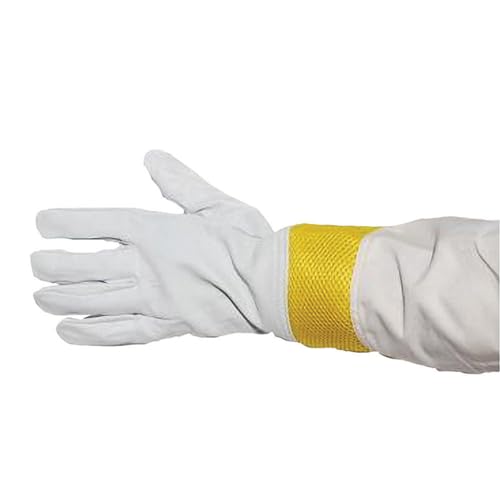
Best Beekeeping Gloves (2026): Goatskin, Cowhide, or Nothing at All
Thick gloves feel like the safe choice and quietly cost you in a way nobody warns you about. You cannot feel a frame through heavy cowhide, so you grip harder, move faster and crush more bees, and crushed bees release alarm pheromone that makes the whole colony defensive. The most protective glove is not always the one that gets you stung least.

Best Beginner Gardening Pruners 2026: Fiskars vs Felco F-2 vs Felco F-8
Hand pruners are the most-used tool in any garden: deadheading, harvesting vegetables, shaping shrubs, cutting back perennials. The right pair makes clean cuts without crushing stems (which invites disease); the wrong pair bruises more than it cuts. Here are three options: a reliable budget shear, the Swiss-made professional standard, and Felco's ergonomic model for gardeners with hand fatigue.

Best Garden Hose (2026): Why Cheap Hoses Kink and Good Ones Do Not
A garden hose is a thing nobody thinks about until theirs kinks behind them for the fourth time in one watering. The difference between a hose that does that and one that does not is entirely material and construction, both of which are printed on the packaging and both of which most people ignore in favour of length and price.

Best Beginner Fishing Rod and Reel Combo 2026: Spinning Setups That Just Work
For your first setup, a matched spinning rod-and-reel combo is the right call: it's pre-balanced, forgiving to cast, and gets you fishing without choosing parts you don't understand yet. Here are three combos that punch above their price, from a near-indestructible classic to a saltwater-ready upgrade.
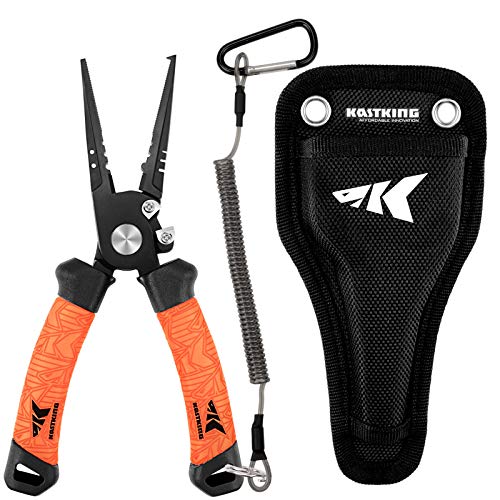
Best Fishing Pliers (2026): Braid Destroys Ordinary Cutters
Braided line is woven from the same fibre used in body armour, and it does not cut so much as fray under a normal blade. A pair of pliers that handles mono perfectly well will chew braid into a fuzzy mess, and the fix is a specific material rather than a sharper edge.