Best Bar Spoon (2026): The Twist Is Not Decoration
A bar spoon looks like an affectation until you try to stir a Martini with a teaspoon and watch the ice clatter round the glass, chip, and turn the drink cloudy and watery. The spiral stem is a bearing. Held correctly, the spoon rotates between your fingers while your hand barely moves, and the ice glides instead of tumbling.
HobbyStack may earn a commission from links on this page at no extra cost to you. Our picks are chosen on merit; the commission helps fund the research.
- The spiral is a bearing. The spoon turns in your fingers; your hand stays almost still.
- Hold it between middle and ring finger, back of the bowl against the glass.
- Stir smoothly for 20 to 30 seconds. Clattering ice means chips, cloudiness and over-dilution.
- A weighted end balances the spoon so it does not want to fall out of the glass.
- Length matters: about 30cm for a mixing glass, longer for tall glasses.
 Weighted Teardrop 40cmTall glasses, cheap$10Check price
 Our pickBarfly Teardrop 30cmMost people$13Check price
 Cocktail Kingdom Trident 40cmA spoon for life$33Check price
How to actually hold one
Most people grip a bar spoon like a teaspoon and stir with their wrist, which is why their ice rattles.
The technique is this. Hold the stem between your middle and ring fingers, with your thumb and index finger resting lightly near the top. The spiral sits against your fingers and lets the stem rotate freely — that is what it is for.
Keep the back of the bowl against the inside of the glass. The spoon travels around the wall of the glass, not through the middle, pushing the ice around in a smooth ring.
Move your fingers, not your arm. The stem spins between the two fingers while your hand stays more or less where it is. It feels strange for about a minute and then it is easy.
Done properly, the only sound is ice sliding against glass. If you can hear individual cubes knocking, you are churning: you will chip the ice, cloud the drink, and over-dilute it while under-chilling it, which is the worst of every possible outcome.
Stir or shake, and what stirring is for
Stirring and shaking are not two ways of doing one thing.
Shaking chills fast, dilutes hard and forces air into the drink. It makes a cloudy, lively, slightly frothy texture. That is right for anything with citrus, egg, cream or juice.
Stirring chills gently with much less aeration and gives a heavier, silkier, perfectly clear result. That is right for anything that is all spirits: Martini, Manhattan, Negroni, Old Fashioned.
Shake a Martini and it comes out cloudy with tiny ice shards floating in it and a slightly thin, bruised texture. Some people like it, and it is worth knowing it is a choice rather than the default.
Twenty to thirty seconds is the usual stir, with large cubes rather than small ones. Small ice has more surface area and melts fast, so it waters the drink before it chills it — which is also why bars use big cubes in a mixing glass. The outside of the glass should be uncomfortably cold to hold when you are done.
And the other job: the spoon layers. Pour slowly over the back of it and a liqueur will float.
 Best cheap and long
Copper Weighted 304 Stainless Steel Bar Cocktail Mixing Spoon
A 40cm spiral-stem spoon with a teardrop weight on the end, in 304 stainless, and it does the job for less than the price of a cocktail. The length suits tall mixing glasses and highballs where a 30cm spoon leaves your fingers near the liquid, and the teardrop counterweight balances it so it does not slide down and clatter into the glass when you let go. Japanese-style twisted stem, so the bearing action works as it should. Being a cheap spoon there is some variation in the finish, the twist can be a little sharper against the fingers than a polished one, and it is lightweight, which some people prefer and some find less controlled. For a first bar spoon it is genuinely fine.
What's good
- 40cm suits tall glasses and highballs
- Teardrop weight balances it in the glass
- Proper twisted stem — the bearing works
- Costs less than a single cocktail
What's not
- Finish varies; the twist can feel sharp
- Lightweight, so less controlled for some
- Not a lifetime object
- Too long for a small mixing glass
 Best for most people
Barfly Teardrop Bar Spoon
A 30cm spoon built around a one-piece stainless core, which is the specification that matters here — cheap bar spoons are assembled from a stem with a bowl and a weight attached, and those joints are where they bend or work loose after a year of being levered against ice. One piece has nothing to come apart. 30cm is the right length for a standard mixing glass: long enough to reach the bottom comfortably, short enough to stay controllable. The twist is properly formed and smooth against the fingers, the teardrop end gives it balance, and the bowl is shaped for clean transfer when you use it to layer or to lift a cherry. Hand washing recommended although it is dishwasher safe.
What's good
- One-piece core — no joints to loosen or bend
- 30cm is the right length for a mixing glass
- Smooth, properly formed twist
- Weighted teardrop end for balance
What's not
- Too short for very tall glasses
- Plain finish, nothing decorative
- Hand washing recommended for longevity
- Dearer than a serviceable cheap spoon
 Best spoon for life
Cocktail Kingdom® Trident Barspoon 40cm, Stainless Steel
The 40cm Cocktail Kingdom spoon, with a trident fork on the end rather than a plain weight, and the fork is a working feature rather than an ornament: it spears an olive, a cherry or a twist without you fishing about with fingers or reaching for a second tool, which in practice is what you use it for several times an evening. 40cm reaches the bottom of any glass you own. The build is what you are paying for, and Cocktail Kingdom's reputation is deserved: the twist is even, the bowl is properly formed, and it stays straight after years of levering against ice. Honest caveat: it is three times the Barfly and does not stir any better. Buy it as an object you keep.
What's good
- Trident end spears garnishes — a second tool in one
- 40cm reaches the bottom of any glass
- Even twist and properly formed bowl
- Stays straight after years of use
What's not
- Three times the Barfly and stirs no better
- 40cm is unwieldy in a small mixing glass
- The fork end is a garnish tool, not a weight
- Mostly a build-quality purchase
A correct stir sounds like ice sliding on glass, close to silent. Individual cubes knocking means you are churning rather than rotating, which chips the ice, clouds the drink, and over-dilutes it while under-chilling it. Keep the back of the bowl against the glass wall and let the stem turn between your fingers.
The other things a bar spoon does
The stirring is the headline, and the spoon quietly does three more jobs that are why it stays on the bar rather than in a drawer.
Layering. Pour a liqueur slowly over the back of the bowl held just above the surface and it spreads out and floats instead of sinking. That is the whole trick behind layered drinks, and it needs nothing but a steady hand.
Measuring. "One bar spoon" appears in recipes as an actual unit, roughly a teaspoon, usually of a syrup or a strong modifier where a quarter ounce would be too much.
Retrieving. Fishing a cherry, an olive or a spent twist out of a glass without putting your fingers in it — which is exactly what the trident end is for.
Muddling gently. The weighted end is a passable muddler for a mint leaf or a sugar cube, though a real muddler is better for anything sturdier.
None of these justifies the purchase on its own. Together they explain why it is the tool bartenders reach for most.
Before you buy
30cm for a mixing glass, 40cm if you use tall glasses.
One-piece construction lasts. Joints are where cheap spoons fail.
A weighted or forked end balances the spoon in the glass.
Hold it between middle and ring finger and let it spin.
Big ice cubes, 20 to 30 seconds, back of the bowl on the glass.
Bar spoon questions
What is the spiral on a bar spoon for?
Why stir instead of shake?
How long should I stir a cocktail?
What length bar spoon do I need?
The Barfly 30cm is the one to buy: the right length for a mixing glass and a one-piece core, so it will not develop the loose joint that kills cheap spoons. Go 40cm if you mostly build in tall glasses, and the cheap weighted teardrop does that job perfectly well. The Cocktail Kingdom Trident is the buy-once version, and its fork end genuinely saves you fishing for olives. Then learn the finger grip, because the spoon does nothing if you stir with your wrist.
Ready to actually do it?
The first mixology quest takes an evening, and it tells you whether the gear was worth it better than any review can.
Start MixologyThe HobbyStack editorial team researches each guide against manufacturer specifications, published resources and practitioner sources. Every product is checked for availability and described against its current listing before publication, and prices are re-checked when guides are updated.
About our editorial process →More gear guides
All guides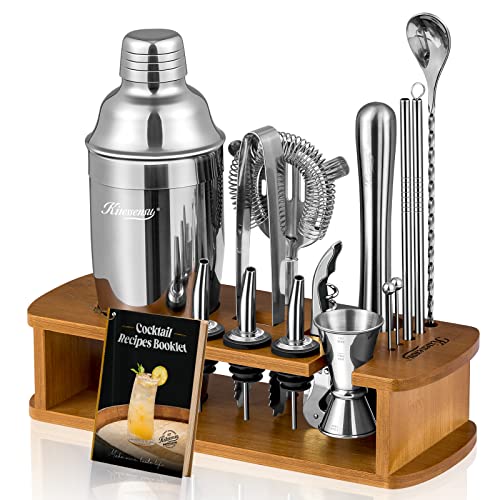
Best Bartender Kit for Beginners (2026): 3 Real Picks
A bartender kit gets you making real cocktails at home for the price of two or three bar drinks, and the honest truth is you need surprisingly little. The three tools that actually matter are a shaker, a jigger for measuring, and a strainer; everything else is nice to have. Most beginner kits bundle those plus a stand, and the real differences are build quality (does the shaker seal and pour without leaking?) and how complete the set is. Here are three good kits across the range, plus which tools you'll actually reach for.

Best Boston Shaker (2026): Two Tins Beat the Three-Piece
The shaker most people own is a three-piece cobbler with a built-in strainer and a little cap, and almost no working bartender uses one. Two metal tins are faster, seal harder, hold more, and never seize shut, which is the failure the cobbler is famous for. The change costs about twenty pounds and takes one evening to get used to.

Best Cocktail Jigger (2026): The Cheapest Way to Fix Your Drinks
Cocktails are ratios. A Daiquiri and a bad Daiquiri differ by about half an ounce of lime, and the eye cannot see half an ounce. Free pouring feels like the confident thing to do and is the single most common reason a home drink tastes harsh, sweet or thin when the recipe was fine.
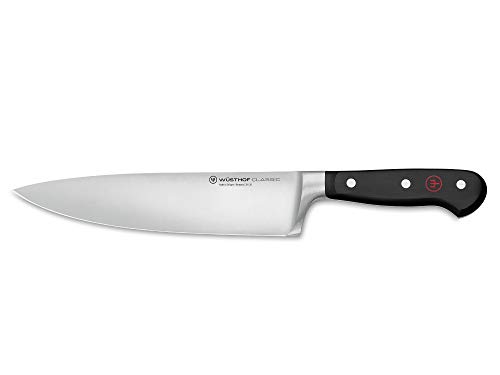
Best Chef's Knife for Beginners 2026: Victorinox vs Wüsthof vs Shun
A chef's knife is the most important tool in any kitchen, and the best news for beginners is that the cheap one is genuinely excellent. The Victorinox Fibrox is what culinary schools and professional kitchens use, for around $50. So the real question isn't which knife cuts best, a sharp one of any of these does, but whether you want to spend up for a German or Japanese knife's feel. Here's the honest breakdown.

Best Dutch Oven 2026: Lodge vs Le Creuset vs Staub (Is the Expensive One Worth It?)
A Dutch oven is the most versatile heavy pot you'll own: braises, stews, soups, and bakery-quality bread. The first thing to know is the one nobody selling you a $400 pot leads with: enameled cast iron cooks nearly the same whatever the badge. So the real question isn't which cooks best, it's what the extra money buys, and whether that's worth it to you.

Best Skillet for Beginners (2026): 3 Real Picks
A skillet is the one pan you'll reach for most, so it's worth getting right, and the honest truth is the best skillet depends on what you cook. Cast iron is cheap, lasts forever, and sears beautifully but is heavy and needs care; nonstick makes eggs and delicate food effortless but wears out; carbon steel is the restaurant choice, searing like cast iron but lighter and more responsive. Rather than budget-to-best of one thing, these are three genuinely different pans for three ways of cooking. Here they are, plus how to pick the one that fits your kitchen.