Best Boston Shaker (2026): Two Tins Beat the Three-Piece
The shaker most people own is a three-piece cobbler with a built-in strainer and a little cap, and almost no working bartender uses one. Two metal tins are faster, seal harder, hold more, and never seize shut, which is the failure the cobbler is famous for. The change costs about twenty pounds and takes one evening to get used to.
HobbyStack may earn a commission from links on this page at no extra cost to you. Our picks are chosen on merit; the commission helps fund the research.
- Two tins, not a three-piece cobbler. Cobblers seize when cold and pour slowly.
- 18oz and 28oz is the standard pair. The small one goes inside the large one.
- Seal by striking the small tin with the heel of your hand, and break it by hitting the same spot.
- Weighted tins seal more reliably and feel better. That is what the extra money buys.
- Shake for 12 to 15 seconds, hard. You are chilling, diluting and aerating at once.
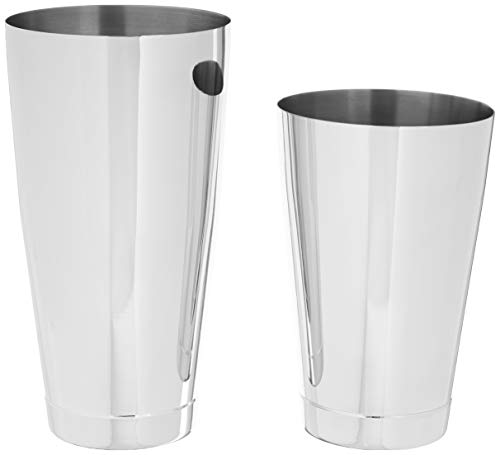 Barfly Shaker TinsStarting out$23Check price
 Our pickCocktail Kingdom KorikoMost people$27Check price
 Elevated Craft HybridA one-piece answer$115Check price
Why bartenders abandoned the cobbler
The cobbler shaker is the three-piece one: a tin, a lid with a strainer built in, and a small cap. It is what most kitchen shops sell and what most home bars own.
It has three problems, and they are all worse the better you get.
It seizes. Metal contracts as it chills and the lid grips the tin. Everyone who has used one has stood there hammering the side of it while their drink dilutes.
It pours slowly. The built-in strainer holes are small and easily blocked by mint or citrus pulp, so a drink dribbles out over fifteen seconds instead of pouring in three.
It is small. Most cobblers hold one drink comfortably. Two is a struggle.
A Boston shaker — two tins, or a tin and a pint glass — has none of these. It seals by friction with a slight offset, opens with a tap in the right place, holds two drinks easily, and pours through a separate strainer that you can choose to suit the drink.
The one thing the cobbler wins on is that it needs no separate strainer and looks nicer on a shelf.
Sealing and opening, which is the only skill involved
This is what puts people off, and it takes about ten minutes to learn.
Sealing. Build the drink in the small tin, add ice, and put the large tin over it at a slight angle rather than straight down — that offset is what makes it come apart later. Strike the top of the large tin once with the heel of your hand. You will hear it seat.
Shaking. Hold both ends. Always. Point it away from anyone. Shake hard for twelve to fifteen seconds; you are chilling, diluting and aerating at once and a timid shake does none of them.
Opening. Find the point where the two tins are furthest apart — the offset from earlier — and strike the side of the large tin there with the heel of your hand. It breaks the seal instantly. If you hit the wrong side you will just tighten it.
And if it truly will not open: hold it under warm running water for a few seconds. The outer tin expands first.
 Best for starting out
Barfly Shaker Cocktail Tin
A plain 18oz and 28oz pair in heavy stainless, which is genuinely all a Boston shaker needs to be. The two sizes are cut to fit each other properly, which sounds obvious and is the thing cheap unbranded tins get wrong — badly matched tins either will not seal or will not separate. Heavy enough not to dent when dropped and to keep their shape, so the seal stays reliable over years rather than going loose. Unweighted, so they are lighter in the hand and seal a fraction less positively than a weighted set, which you notice mostly when your hands are wet. Hand washing is recommended although they are dishwasher safe. Nothing here is compromised; you are just not paying for the weight.
What's good
- Properly matched sizes that seal and separate cleanly
- Heavy stainless holds its shape
- Two drinks at a time
- Cheapest way into a proper Boston setup
What's not
- Unweighted — a slightly less positive seal
- Lighter feel with wet hands
- No strainer included, so budget for one
- Plain looking
 Best for most people
Cocktail Kingdom® Koriko® Weighted Shaking Tin Set
The weighted tins that most professional bars actually run, and the weight is the whole difference. A weighted base gives the tin more mass at the bottom, so it seats with a solid strike rather than a hopeful tap and stays sealed through a hard shake — noticeably more reliable when your hands are wet, which they always are. Cocktail Kingdom describe the balance they are chasing as flexibility against rigidity: enough give to seal tight, enough spring to release without a fight, and that is exactly what separates a good pair of tins from a frustrating one. 18oz and 28oz, a two-drink capacity, dishwasher safe. Only a few pounds more than the plain pair and the one to buy.
What's good
- Weighted base seats firmly and stays sealed
- Releases without a fight — the hard part solved
- The set most professional bars use
- Only a few pounds over unweighted
What's not
- Heavier in the hand over a long session
- Still no strainer included
- Weighted tins dent more visibly if dropped
- No aesthetic upgrade for the money
 Best one-piece answer
Diamond Edition Hybrid Cocktail Shaker Set
Not a Boston shaker, and worth saying plainly, because it is solving a different problem: this is one vessel that includes a jigger lid measuring from a quarter ounce to six, a built-in strainer, and a twist-lock top that cannot seize. Double-wall vacuum insulation keeps the cold in the drink rather than in your hands. If you want to make two cocktails without owning three separate tools, it genuinely does that. The trades are real. The insulation means the outside never frosts, so you lose the visual cue that a drink is properly chilled. It holds one drink, not two. And at four times the Koriko set you are paying for integration rather than better shaking.
What's good
- Jigger, strainer and shaker in one object
- Twist-lock cannot seize shut
- Insulated — cold drink, warm hands
- Genuinely good for a small kitchen
What's not
- Not a Boston shaker — different tool, different feel
- No frost on the outside, so you lose the chill cue
- One drink at a time
- Four times the price of weighted tins
Anything with citrus, egg, cream or juice gets shaken — it needs aeration and a cloudy texture. Anything that is all spirits, like a Martini, Manhattan or Negroni, gets stirred, because shaking makes it cloudy and gives it a slightly bruised, over-aerated texture. The rule is close to universal and it is the fastest way to make your drinks look right.
The strainers you need alongside
A Boston shaker has no strainer built in, which is a feature rather than an omission because it lets you choose.
A Hawthorne strainer is the one with the spring around the edge. It fits over the large tin, and the spring catches ice and fruit while letting the drink through fast. This is the everyday one, and if you buy a single strainer buy this.
A julep strainer is a perforated spoon-like disc, used for stirred drinks in a mixing glass. Traditional, and a Hawthorne will do the job if you would rather not own both.
A fine mesh strainer is a small conical sieve held under the pour. Straining through it as well as the Hawthorne — "double straining" — catches ice shards and citrus pulp and is the single biggest difference between a home drink and a bar one for anything served without ice.
Budget maybe fifteen pounds for a Hawthorne and a fine strainer together. It matters more than an upgrade to your tins.
Before you buy
Two tins, not a cobbler. It is the single biggest upgrade in home bartending.
Weighted tins seal more reliably for a few pounds more.
Budget for a Hawthorne strainer separately. Boston shakers do not include one.
Seat the tins at a slight angle so they come apart again.
Hold both ends when you shake. Always.
Boston shaker questions
What is the difference between a Boston shaker and a cobbler?
How do you open a Boston shaker?
Are weighted shaker tins worth it?
How long should I shake a cocktail?
Buy two weighted tins and never touch a cobbler again. The Cocktail Kingdom Koriko set is the one most bars run, and the weighted base removes the only genuinely annoying part of a Boston shaker. The Barfly pair does the same job a few pounds cheaper without the weight. The Elevated Craft is a different tool that happens to shake, and it earns its price only if you want a jigger and strainer built into one object.
Ready to actually do it?
The first mixology quest takes an evening, and it tells you whether the gear was worth it better than any review can.
Start MixologyThe HobbyStack editorial team researches each guide against manufacturer specifications, published resources and practitioner sources. Every product is checked for availability and described against its current listing before publication, and prices are re-checked when guides are updated.
About our editorial process →More gear guides
All guides
Best Bar Spoon (2026): The Twist Is Not Decoration
A bar spoon looks like an affectation until you try to stir a Martini with a teaspoon and watch the ice clatter round the glass, chip, and turn the drink cloudy and watery. The spiral stem is a bearing. Held correctly, the spoon rotates between your fingers while your hand barely moves, and the ice glides instead of tumbling.
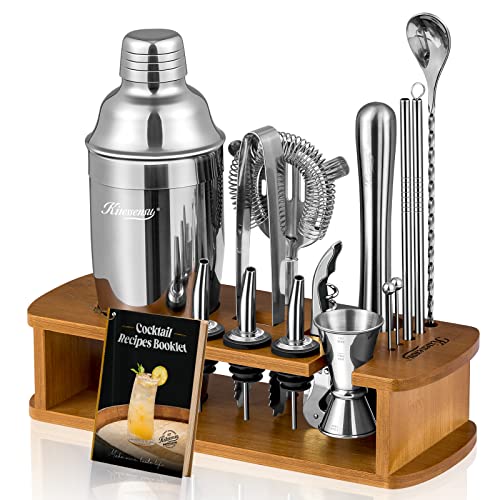
Best Bartender Kit for Beginners (2026): 3 Real Picks
A bartender kit gets you making real cocktails at home for the price of two or three bar drinks, and the honest truth is you need surprisingly little. The three tools that actually matter are a shaker, a jigger for measuring, and a strainer; everything else is nice to have. Most beginner kits bundle those plus a stand, and the real differences are build quality (does the shaker seal and pour without leaking?) and how complete the set is. Here are three good kits across the range, plus which tools you'll actually reach for.

Best Cocktail Jigger (2026): The Cheapest Way to Fix Your Drinks
Cocktails are ratios. A Daiquiri and a bad Daiquiri differ by about half an ounce of lime, and the eye cannot see half an ounce. Free pouring feels like the confident thing to do and is the single most common reason a home drink tastes harsh, sweet or thin when the recipe was fine.
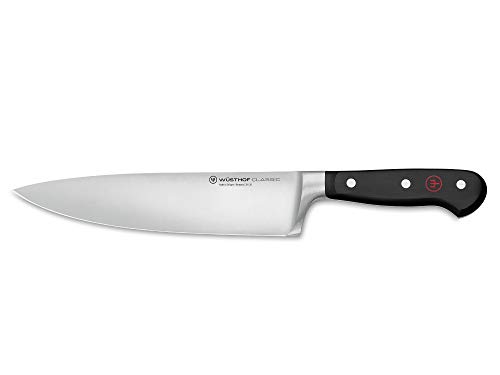
Best Chef's Knife for Beginners 2026: Victorinox vs Wüsthof vs Shun
A chef's knife is the most important tool in any kitchen, and the best news for beginners is that the cheap one is genuinely excellent. The Victorinox Fibrox is what culinary schools and professional kitchens use, for around $50. So the real question isn't which knife cuts best, a sharp one of any of these does, but whether you want to spend up for a German or Japanese knife's feel. Here's the honest breakdown.

Best Dutch Oven 2026: Lodge vs Le Creuset vs Staub (Is the Expensive One Worth It?)
A Dutch oven is the most versatile heavy pot you'll own: braises, stews, soups, and bakery-quality bread. The first thing to know is the one nobody selling you a $400 pot leads with: enameled cast iron cooks nearly the same whatever the badge. So the real question isn't which cooks best, it's what the extra money buys, and whether that's worth it to you.

Best Skillet for Beginners (2026): 3 Real Picks
A skillet is the one pan you'll reach for most, so it's worth getting right, and the honest truth is the best skillet depends on what you cook. Cast iron is cheap, lasts forever, and sears beautifully but is heavy and needs care; nonstick makes eggs and delicate food effortless but wears out; carbon steel is the restaurant choice, searing like cast iron but lighter and more responsive. Rather than budget-to-best of one thing, these are three genuinely different pans for three ways of cooking. Here they are, plus how to pick the one that fits your kitchen.