Best Beginner Belay Device 2026: BD ATC-XP vs Petzl GRIGRI vs GRIGRI+
A belay device is the friction tool that lets you manage the rope, catching your climber's falls and lowering them safely. Every climber needs to own one once they're belay certified. Here are three picks across the two fundamental categories: the standard tube device every beginner learns on, and the two versions of Petzl's cam-assisted GRIGRI that most serious gym climbers eventually upgrade to.
HobbyStack may earn a commission from links on this page at no extra cost to you. Our picks are chosen on merit; the commission helps fund the research.
- Learn on a tube device first. Every belay certification course teaches the ATC-style tube device — it requires active brake hand control, which teaches the fundamentals of rope management that make you a safer belayer on any device.
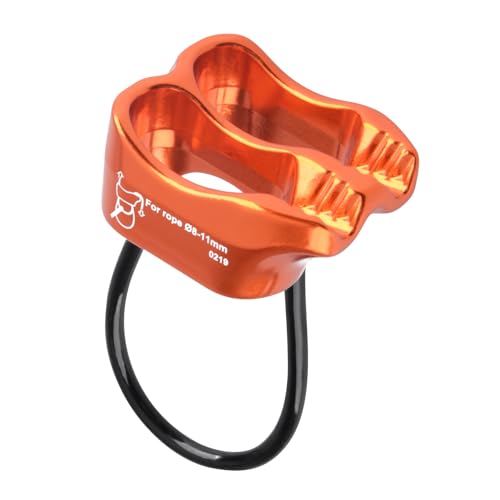
- Budget pick: TRIWONDER ATC (~$12). A simple tube device, the standard way to learn belaying and rappelling. No assisted braking, so it teaches the essential hand-on-brake habit.
- Our pick: Black Diamond ATC-Pilot (~$55). A light tube device with passive assisted braking — a real safety margin for gym and sport belaying, and simple to learn.
- Step up: Petzl GRIGRI (~$105). The gold-standard cam-assisted device most gyms and regular climbers use — superbly secure once the feeding-and-lowering technique is dialed.
- Learn ATC first, upgrade to GRIGRI when ready. The GRIGRI requires specific loading technique. Climbers who learn on it without ATC fundamentals often develop bad habits. Learn ATC → get comfortable → upgrade.


Passive vs assisted-braking: the key distinction
Tube devices (ATC-style) are passive — there's no mechanism that helps catch the rope. If you're belaying and release your brake hand, the rope runs free. The safety relies entirely on the belayer maintaining grip. This is how every climbing instructor teaches beginners because it develops the correct mental model: the brake hand is always on the rope.
Assisted-braking devices (GRIGRI) have a cam mechanism that pinches the rope against a curved plate when fall-force loads the system. If the belayer loses grip momentarily, the cam engages and holds the rope. This is a meaningful safety improvement, not a cheat — professional guides use GRIGRIs at sport crags because they reduce the consequences of attention lapses on long days at the wall.
Both types require correct technique. The GRIGRI's cam can be defeated by incorrect handling (specifically, grabbing the cam housing during a fall). This is why learning ATC fundamentals first creates better GRIGRI users.
How we picked
We filtered on: mechanism type (tube vs cam-assisted — the most fundamental choice), rope compatibility (rope diameter range must cover your rope — most cover 8.5–11mm single rope), guide mode / auto-block (useful for multipitch belaying directly off an anchor), weight (ATC is lighter for alpinism; GRIGRI is heavier but the assisted braking compensates), brand reputation (Black Diamond and Petzl are the two standard brands at every gym and on every guide's rack — instructor familiarity matters for learning), and anti-panic features (GRIGRI adds a handle that prevents the most common GRIGRI error). We excluded cheap tube knockoffs from unverified brands.
 Best learning device
TRIWONDER ATC Belay Device
The cheapest way to learn to belay. A tube-style (ATC) device is the classic first belay tool: light, simple, works with a wide range of rope diameters, and handles both belaying and rappelling. The TRIWONDER is a budget take on that standard design with dual V-grooves for extra friction control. It has no assisted braking — you keep a hand on the brake strand at all times, which is exactly the fundamental every climber should learn first. A perfectly good, cheap device to build correct technique on.
What's good
- Classic tube design — the standard first belay device
- Handles a wide range of rope diameters
- Belay and rappel modes, V-grooves for friction
- Teaches correct hand-on-brake technique for a few dollars
What's not
- No assisted braking — full attention required, always
- Budget build versus a brand-name ATC
 Best safety upgrade
Black Diamond ATC-Pilot
The sensible step up for most new climbers. The Black Diamond ATC-Pilot keeps the simplicity and light weight of a tube device but adds passive assisted braking — its geometry pinches the rope and helps stop a fall even if your brake hand slips. It works with single ropes in the common beginner diameters and gives a real safety margin for gym and sport climbing without the price or learning curve of a GRIGRI. For most beginners belaying a regular partner, it is the best balance of safety, simplicity, and cost.
What's good
- Assisted braking in a light, simple device
- A real safety margin over a plain tube
- Easy to learn; no moving handle
- Great value for gym and sport belaying
What's not
- Single-rope diameters only
- Not fully hands-free like a GRIGRI
 Best for regular climbers
Petzl GRIGRI
The gold-standard belay device, and worth it once you climb regularly. The Petzl GRIGRI uses a camming mechanism that actively locks the rope when a fall loads it — the closest thing to hands-free security for sport and gym belaying, and what most experienced climbers and gyms use. It takes practice to feed and lower smoothly (and you still never let go of the brake), but once dialed it is superbly safe and comfortable for long belay sessions. The upgrade for a climber who is in it for real.
What's good
- Cam-assisted braking locks the rope under a fall
- The device most gyms and regulars trust
- Comfortable for long belay sessions
- Buy-once quality from Petzl
What's not
- Pricier; more technique to feed and lower smoothly
- Single-rope and diameter-specific
The GRIGRI's assisted braking is a safety feature, not a shortcut. Belayers who skip tube device training and start on a GRIGRI often skip learning the correct brake-hand position and rely on the cam to catch everything — which works until it doesn't (the cam can be defeated by incorrect handling). Take your gym's belay certification class on an ATC first. Once you're certified and comfortable, switching to a GRIGRI is straightforward and your gym instructor can walk you through the loading technique.
Before you buy
Load the belay device before every climb — clip the carabiner, load the rope, confirm the rope runs through the device in the correct orientation. This takes 15 seconds and catches loading errors before you're on the wall.
With the GRIGRI: always keep your brake hand on the rope below the device. The cam provides backup, not replacement. Correct belaying with a GRIGRI looks almost identical to correct belaying with an ATC.
For lowering with the GRIGRI: push the lowering handle (the gray lever) slowly while keeping your brake hand on the rope. Don't push the handle all the way open or pull on it fast — this creates an uncontrolled drop.
Don't clip your belay device directly to your harness tie-in points — clip it to the belay loop (the reinforced horizontal loop at the front of your harness between the waistbelt and leg loops). This is the structural attachment point rated for belay loads.
Clean your belay device after muddy sessions: rinse with warm water, let dry completely. Grit in the rope groove of an ATC or in the GRIGRI's cam mechanism wears both the device and your rope faster.
Common questions about belay devices
Should I start with an ATC or a GRIGRI?
Is the GRIGRI safe for beginners?
What's the difference between GRIGRI and GRIGRI?
Can I use a GRIGRI for outdoor lead climbing?
What rope diameters work with these devices?
Learn on the TRIWONDER ATC — a simple tube device teaches the fundamental every climber needs: a hand on the brake at all times, for about $12. Once you belay a partner regularly, step up to the Black Diamond ATC-Pilot for assisted braking without the price or learning curve of a GRIGRI. And the Petzl GRIGRI is the gold-standard cam-assisted device to grow into if you are climbing seriously.
Ready to actually do it?
The first rock climbing quest takes an evening, and it tells you whether the gear was worth it better than any review can.
Start Rock ClimbingThe HobbyStack editorial team researches each guide using practitioner communities, published resources, and direct input from active hobbyists. Every guide is reviewed for accuracy before publication and updated when practices change.
About our editorial process →More gear guides
All guides
Best Beginner Climbing Harness 2026: Black Diamond vs Petzl Corax vs Solution
Your harness is the connection between you and the rope: it needs to fit, hold falls safely, and stay comfortable during long sessions at the wall. The good news: any UIAA/CE-certified harness from a major brand is safe. The choice is about comfort, padding, and how much you climb. Here are three picks that cover beginner gym use through regular sport climbing.

Best Beginner Climbing Helmet 2026: BD Half Dome vs Petzl Boreo vs Sirocco
Helmets are required for outdoor climbing and strongly recommended for any gym climbing near the top of routes. The primary protection is against rockfall and hitting the wall on a fall, not against ground falls (rope catches those). Here are three picks: a well-priced foam helmet, the consensus hybrid hardshell/foam option, and Petzl's ultralight helmet for climbers who count grams.
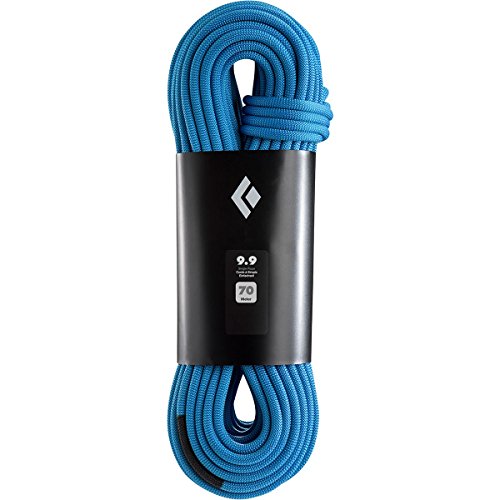
Best Beginner Climbing Rope 2026: Mammut 9.9mm vs 9.5mm Crag Classic vs We Care
A climbing rope is the most critical piece of gear you will own, the last thing between you and the ground. The good news: any modern UIAA/CE-certified single dynamic rope from a reputable brand is safe by design. The real choices are diameter (thicker is more durable and easier to belay, thinner is lighter), length (60m covers the gym and most single-pitch crags, 70m reaches longer routes), and brand. Here are three in-stock, certified dynamic ropes that cover gym to crag.

Best Beginner Climbing Shoes (2026): 3 Comfy, Flat Picks to Start In
Your first pair of climbing shoes really only needs to do one thing: help you learn without wrecking your feet. That means a flat, comfortable shoe that fits snug but not painful, not the aggressive downturned models the strong folks wear on steep overhangs. For gym bouldering, top-rope, and your first trips outside, you want grip and comfort, not a race car you can barely stand to wear for one climb. Here are three good beginner shoes, from a comfy budget pick to a moderate all-rounder you can grow into.

Best Dry Bag (2026): Three Rolls Minimum, and Abrasion Beats Waterproofing
A dry bag does not fail because water gets through the fabric. It fails because the top was rolled twice instead of three times, or because the bag was dragged down a sandstone slot until the coating wore off. Both are avoidable and neither is about how waterproof the material was when you bought it.

Best Snowboard Goggles for Beginners (2026): 3 Real Picks
Goggles are not optional on a snowboard: wind, glare, cold, and blowing snow make riding without them miserable and unsafe, and unlike sunglasses they seal to your face and stay put. The good news is you do not need to spend much. Any decent pair blocks UV and wind; what more money buys is better anti-fog, optics that read terrain in flat light, and quick lens swaps for changing conditions. Here are three good ones, plus the one spec that actually matters.