Best Beginner Climbing Shoes (2026): 3 Comfy, Flat Picks to Start In
Your first pair of climbing shoes really only needs to do one thing: help you learn without wrecking your feet. That means a flat, comfortable shoe that fits snug but not painful, not the aggressive downturned models the strong folks wear on steep overhangs. For gym bouldering, top-rope, and your first trips outside, you want grip and comfort, not a race car you can barely stand to wear for one climb. Here are three good beginner shoes, from a comfy budget pick to a moderate all-rounder you can grow into.
HobbyStack may earn a commission from links on this page at no extra cost to you. Our picks are chosen on merit; the commission helps fund the research.
- For learning, you want a flat, comfortable shoe, not an aggressive downturned one. Save those for hard, steep climbing later.
- Fit should be snug with your toes flat or just touching the end, not curled and screaming. Beginners almost always size too tight.
- Velcro is quick to pull on and off between boulder problems, while laces take longer but let you dial in the fit. Both work fine.
- Leather shoes stretch and mold to your foot over time, while synthetic ones barely stretch at all, so factor that into sizing.
 Black Diamond Momentum Climbing ShoesGetting off the rentals in comfort$75Check price
 Our pickLa Sportiva Tarantulace Climbing ShoesOne do-everything first pair$99Check price
 La Sportiva Katana Lace Climbing ShoesGrowing into harder climbing$239Check price
A few things actually separate one beginner climbing shoe from another, and none of them is the color. The biggest is the shape. Beginner shoes have a flat, neutral last, which means the sole sits roughly level and the toe is not curled downward. That flat shape is comfortable, easy to stand in for a long session, and perfect for learning to trust your feet. Aggressive shoes, the ones with a downturned banana shape, cramp your toes into a strong hook that helps on steep overhanging climbing but hurts and does you no favors while you are still learning, so skip them for now. The next thing is closure: velcro straps are quick to rip on and off between boulder problems, while laces take longer but let you snug up the whole shoe evenly, which some people prefer for a precise fit. Then there is the upper material. Leather stretches and molds to your foot over the first few sessions, so it can feel tight at first and loosen up to about half a size, while synthetic uppers barely stretch, so what you try on is what you get. Finally the rubber: stickier compounds like Vibram edge a little better, but honestly any modern shoe rubber grips far better than the sneakers you started in.
So how do you choose? First, get the fit right, because it matters more than the model. A climbing shoe should fit snug with no dead space, your toes flat or barely touching the end, and it should feel firm but not genuinely painful. Beginners almost always buy too small because they hear shoes are supposed to be tight, then end up hating every minute in them; you want snug, not agony, especially for long gym sessions. Beyond fit, match the shoe to what you actually do. If you just want to get off the rental shoes cheaply and stay comfortable, a soft flat velcro shoe is plenty. If you want one do-everything first shoe that edges a bit better and you do not mind lacing up, a classic lace-up is the sweet spot. And if you already know you are hooked and want a shoe that keeps up as you climb harder, a moderate all-rounder gives you room to grow without jumping to a painful aggressive shoe. Remember too that there is no shame in climbing in gym rentals for a while first; buy your own when you know you will keep at it.
 Best budget shoe
Black Diamond Momentum Climbing Shoes
The comfiest way to stop borrowing sweaty rental shoes. The Momentum has a flat, neutral shape that is easy on your feet and a breathable knit synthetic upper that feels more like a modern sneaker than a stiff climbing shoe, so there is basically no break-in. Two velcro straps make it quick to pull on and off between climbs, and it comes in a lace version too if you prefer. Black Diamond uses its own rubber rather than Vibram, which grips fine for gym walls and easy outdoor routes but wears a bit faster and is not as precise on tiny edges. The soft, forgiving build that makes it so comfy also means it gives you less support for standing on small footholds, so you will likely want something stiffer once you are climbing harder. For a first pair though, it is hard to go wrong for the money.
What's good
- Genuinely comfortable straight out of the box, no break-in
- Breathable knit upper stays cooler than most shoes
- Flat, forgiving shape is perfect for learning footwork
- Low price gets you off rental shoes cheaply
What's not
- Black Diamond's own rubber wears faster and grips less than Vibram
- Soft build gives little support on small edges
 Best for most beginners
La Sportiva Tarantulace Climbing Shoes
The shoe most people should buy as their first real pair, and a longtime favorite for good reason. The Tarantulace keeps the comfortable flat shape of a beginner shoe but adds a quick-pull lace system that snugs the whole shoe evenly, so you can dial the fit as your feet get used to climbing. The leather and synthetic upper molds to your foot over the first few sessions, and the FriXion rubber edges noticeably better than most entry synthetics, which helps the day you start standing on smaller holds. It costs about the same as the Momentum but leans a little more toward performance and a little less toward pure plush comfort. Laces are slower than velcro if you like taking your shoes off between boulder problems, and the leather can loosen as it stretches, so do not size it with tons of extra room. As a single do-it-all first shoe, it is the easy pick.
What's good
- Laces let you dial in a precise, even fit
- Comfortable enough for long sessions and full days
- FriXion rubber edges better than most entry shoes
- Leather molds to your foot over time
What's not
- Laces are slower than velcro between climbs
- Leather stretches, so avoid oversizing it
 Best to grow into
La Sportiva Katana Lace Climbing Shoes
For the person who already knows they are hooked and wants a shoe that keeps up as they improve. The Katana Lace is a step up in both price and ability: it has a slightly downturned, more precise toe and a stiff Vibram XS Edge sole, so it stands on small edges far better than a soft beginner shoe. What makes it friendly for a step-up shoe is that it stays genuinely comfortable, with a soft lined-leather upper and a padded tongue that feel good even on long days, and it is versatile across slab, vertical faces, and steeper routes. It is not an aggressive comp shoe, just a well-rounded one you grow into rather than out of. The catch is simply that it is more shoe, and more money, than a true first-week beginner needs, so it makes the most sense once you know you will stick with climbing.
What's good
- Stiff Vibram XS Edge sole edges with real precision
- Stays comfortable for long days despite the performance shape
- Versatile on slab, vertical, and steeper routes
- A shoe you grow into instead of out of
What's not
- Pricier than a first-timer really needs to spend
- The slight downturn is more shoe than a total beginner requires
The single biggest beginner mistake is buying shoes way too small because someone said they should hurt. They should not. Aim for snug with no dead air pockets and your toes flat or lightly touching the end, firm but not painful, so you can actually wear them for a whole session. Try shoes on late in the day when your feet are a little swollen, and remember that leather stretches while synthetic barely does. If you are between sizes in a leather shoe, the tighter one will usually loosen to fit; in a synthetic shoe, what you try on is what you keep.
Which to buy: get the Black Diamond Momentum if you want the comfiest, cheapest way off the rental shoes; get the La Sportiva Tarantulace if you want one do-everything first pair that also edges well, which is most people; get the La Sportiva Katana Lace if you already know you are sticking with climbing and want a comfortable moderate shoe to grow into.
Before you buy
Try shoes on in the afternoon or after a session, when your feet are slightly swollen, so they do not turn out too tight later.
Wear them with no socks or the thinnest socks, the way most people climb, so the fit you feel is the fit you actually get.
You do not need aggressive downturned shoes until you are projecting steep overhangs, which is a long way past your first months.
There is no rush to buy. Climbing in gym rentals for a few sessions is totally fine while you decide if the hobby sticks.
Climbing shoe questions
How tight should beginner climbing shoes fit?
Should I get velcro or lace-up shoes?
Do I need my own shoes, or can I use gym rentals?
Are aggressive downturned shoes better?
Do I size climbing shoes the same as my street shoes?
Which beginner climbing shoe should I buy?
For most beginners the La Sportiva Tarantulace is the pick: a comfortable flat lace-up that dials in the fit, edges better than most entry shoes, and handles gym bouldering, top-rope, and early outdoor climbing without complaint. Just want the comfiest, cheapest way off the rental shoes? The Black Diamond Momentum is a soft, breathable velcro shoe that is easy to love from the first climb. Already hooked and want something to grow into? The La Sportiva Katana Lace is a comfortable moderate all-rounder that keeps up as you climb harder, without jumping to a painful aggressive shoe. Whatever you choose, get the fit snug but not agonizing, and skip the downturned pro shoes until you are actually climbing steep overhangs.
Ready to actually do it?
The first rock climbing quest takes an evening, and it tells you whether the gear was worth it better than any review can.
Start Rock ClimbingThe HobbyStack editorial team researches each guide against manufacturer specifications, published resources and practitioner sources. Every product is checked for availability and described against its current listing before publication, and prices are re-checked when guides are updated.
About our editorial process →More gear guides
All guides
Best Beginner Belay Device 2026: BD ATC-XP vs Petzl GRIGRI vs GRIGRI+
A belay device is the friction tool that lets you manage the rope, catching your climber's falls and lowering them safely. Every climber needs to own one once they're belay certified. Here are three picks across the two fundamental categories: the standard tube device every beginner learns on, and the two versions of Petzl's cam-assisted GRIGRI that most serious gym climbers eventually upgrade to.

Best Beginner Climbing Harness 2026: Black Diamond vs Petzl Corax vs Solution
Your harness is the connection between you and the rope: it needs to fit, hold falls safely, and stay comfortable during long sessions at the wall. The good news: any UIAA/CE-certified harness from a major brand is safe. The choice is about comfort, padding, and how much you climb. Here are three picks that cover beginner gym use through regular sport climbing.

Best Beginner Climbing Helmet 2026: BD Half Dome vs Petzl Boreo vs Sirocco
Helmets are required for outdoor climbing and strongly recommended for any gym climbing near the top of routes. The primary protection is against rockfall and hitting the wall on a fall, not against ground falls (rope catches those). Here are three picks: a well-priced foam helmet, the consensus hybrid hardshell/foam option, and Petzl's ultralight helmet for climbers who count grams.
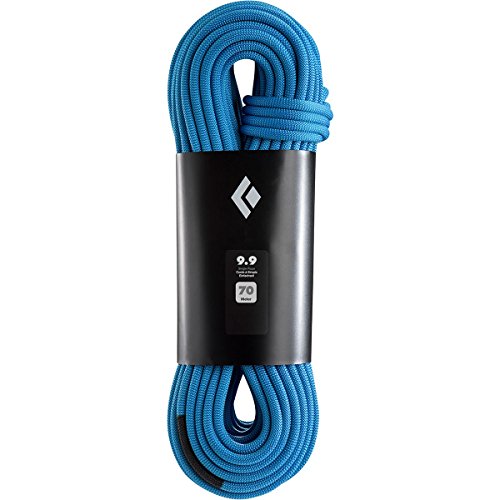
Best Beginner Climbing Rope 2026: Mammut 9.9mm vs 9.5mm Crag Classic vs We Care
A climbing rope is the most critical piece of gear you will own, the last thing between you and the ground. The good news: any modern UIAA/CE-certified single dynamic rope from a reputable brand is safe by design. The real choices are diameter (thicker is more durable and easier to belay, thinner is lighter), length (60m covers the gym and most single-pitch crags, 70m reaches longer routes), and brand. Here are three in-stock, certified dynamic ropes that cover gym to crag.

Best Dry Bag (2026): Three Rolls Minimum, and Abrasion Beats Waterproofing
A dry bag does not fail because water gets through the fabric. It fails because the top was rolled twice instead of three times, or because the bag was dragged down a sandstone slot until the coating wore off. Both are avoidable and neither is about how waterproof the material was when you bought it.

Best Locking Carabiners (2026): The Rating On the Spine Assumes One Direction
The kilonewton figure stamped on a carabiner is measured one way: along the spine, with the gate shut. Load it across its minor axis, or with the gate held open by a sling or a rock, and the real strength falls to a fraction of that number. Almost every carabiner failure is a loading problem rather than a quality problem.