Best Bouldering Crash Pad 2026: Mad Rock Mad Pad vs Metolius Session II vs Black Diamond Mondo
A crash pad is bouldering's defining purchase, the thing that turns a fall into a survivable landing, and the first decision is fold and size: a hinged pad carries easily but has a seam to mind, a taco pad has no weak spot but is bulkier, and bigger is safer but heavier. Here are three honest picks, and the blunt truth that there's no good cheap one.
HobbyStack may earn a commission from links on this page at no extra cost to you. Our picks are chosen on merit; the commission helps fund the research.
- For most beginners, the Metolius Session II (~$220) is the pick — a soft, forgiving hybrid pad that's light enough to actually carry to the boulders and cushioned enough to land on with confidence while you're still learning to fall.
- For the most foam per dollar, the VEVOR Crash Pad (~$219) gives you a thick 5-inch, chair-converting pad with link flaps for about the same money — bigger and burlier, just less refined.
- Going big, the Black Diamond Mondo (~$670) is a huge 44×65-inch landing zone for highballs and committing problems — genuine overkill for most beginners, and a real splurge.
- Fold and size are the whole decision. A hinged pad folds flat and carries easily but has a seam to mind; a taco/hybrid pad has no weak crease but is bulkier. Bigger and thicker is safer, but heavier and pricier.
- Honest heads-up on price: even the budget pad is ~$220 — there's no good cheap crash pad, because thin no-name foam bottoms out and hurts. Skip: sub-$120 mystery pads; relying on one small pad for highballs; and any pad that's all soft open-cell foam (you want a firm closed-cell top).
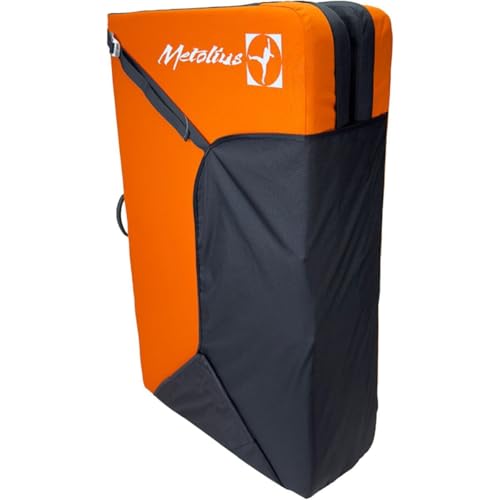


Fold and size: the two things that decide a crash pad
Every crash pad is a foam sandwich — a firm closed-cell top layer that spreads the impact, over a softer open-cell bottom that absorbs it — and for a beginner, two things decide which one to buy: how it folds, and how much of it there is.
Fold: hinge vs taco. A hinged pad (the most common kind) folds in half or thirds like a book, so it packs flat and carries easily — but the crease is a seam you have to think about, because landing a heel right in the gap is how ankles roll. A taco (or hybrid) pad has no hinge: the foam bends in one continuous curve, so there's no weak spot to land on, but it's bulkier and fights you when you fold it. For most people a hinged pad is the practical choice — you just learn to place the seam away from where you'll land.
Size and thickness: how much landing you're buying. More pad means more margin for a bad fall — and also more weight on the hike in and more money out. Most beginner pads are around 4 inches thick, which is right for the low-to-medium problems you'll start on; 5 inches and bigger footprints are for highballs and committing falls. The honest truth on price: even a budget crash pad runs about $220. There's no good cheap one, because thin foam from a no-name brand packs down and bottoms out — which defeats the entire point of the pad.
 Best for most beginners
Metolius Session II Crash Pad
The pad to land on first. The Metolius Session II is a soft, forgiving hybrid pad, and its standout is how cushioned it feels straight out of the box — exactly what you want while you're still learning to fall. It's on the smaller, lighter side, which matters more than it sounds: the best pad is the one you'll actually carry to the boulders, and a light pad gets used. Metolius is one of the most trusted names in crash pads, the build holds up, and while it isn't the biggest landing zone here, it's plenty for the low-to-medium problems a beginner climbs. It's the pad most people end up happiest with.
What's good
- Soft and forgiving — easy on the body while you learn to fall
- Light and compact, so you'll actually carry it to the boulders
- Hybrid build — no harsh hinge seam to land in
- Trusted Metolius quality and durability
What's not
- Smaller landing zone — not for highballs
- Soft foam is comfy but less supportive than a stiff pad
- Costs about the same as the budget Mad Pad, with less foam
 Best budget pad
VEVOR Bouldering Crash Pad (Bi-Fold)
A real bouldering crash pad for the least. The VEVOR bi-fold pad gives you a genuine layered-foam landing, a firm closed-cell top over softer open-cell foam that absorbs a fall without bottoming out, and it folds in half with backpack straps to carry to the crag. It is not as refined or as large as a Metolius or Organic pad, and the foam packs down faster with heavy use, but for a beginner sessioning low boulders and drops it is a legitimate, affordable first pad.
What's good
- Real layered closed and open-cell foam landing
- Bi-fold with backpack straps to carry to the crag
- A legitimate crash pad at a budget price
- Big enough for low boulders and drops
What's not
- Foam packs down faster than premium pads
- Smaller and less refined than brand-name pads
 Maximum coverage
Black Diamond Mondo Crash Pad
The big one, for when a normal pad starts to feel too small. The Black Diamond Mondo is a huge 44-by-65-inch landing zone — close to double a standard pad — built for highballs, committing problems, and bad-landing-zone boulders where coverage is everything. The foam is supportive, the build is bombproof, and it's the pad serious boulderers reach for when the run-out matters. The catches are real and worth saying plainly: it's heavy, it's bulky to haul, and it's expensive — and the Amazon price runs high, so check Black Diamond direct before you buy. Genuine overkill for the low problems beginners start on, but the buy-once answer if you climb tall and often.
What's good
- Huge 44×65-inch landing zone — real coverage for highballs
- Supportive, bombproof build
- The serious boulderer's buy-once pad
What's not
- Heavy and bulky to haul to the boulders
- Expensive — and marked up on Amazon (check Black Diamond direct)
- Overkill for the low problems beginners start on
A crash pad only protects the spot you put it. Set it to cover where you'll actually fall — under the crux and a step back for the swing — and never land in the hinge gap or a seam between pads: overlap multiple pads and fill the holes so there's nothing to roll an ankle into. As you move across a problem, move the pad with you. And a pad is not a trampoline — it turns a bad landing into a survivable one, it doesn't make falling safe. A spotter who steers your shoulders toward the pad matters as much as the foam. Most bouldering injuries are rolled ankles and wrists from bad landings, not dramatic falls.
How to choose between the three
Pick the Metolius Session II if you want the pad most beginners are happiest with — soft, light, easy to carry, and plenty for the low-to-medium problems you'll start on. It's the safe default.
Pick the VEVOR Crash Pad if you want the most foam and coverage for the money and don't mind a heavier, burlier pad. It's the value play — thick foam, link flaps, and a chair mode — and a good base to build an outdoor pad setup around.
Pick the Black Diamond Mondo if you're climbing highballs or committing problems and coverage is your priority. It's a huge, supportive, buy-once pad — just budget for the weight and the price, and check Black Diamond direct.
If you're unsure, get the Session II. A pad you'll actually carry beats a bigger one that stays in the car.
Before you buy
You start with one pad and add later. A single good pad covers the low problems beginners climb; serious outdoor sessions stack several. Don't over-buy on day one.
Weight decides whether it gets used. The best pad is the one you'll actually hike to the boulders. If the approach is long, lighter wins.
Mind the foam sandwich. You want a firm closed-cell top over a softer open-cell bottom — all-soft foam bottoms out and packs down fast.
Link flaps matter outdoors. Velcro or overlap flaps let you join pads with no gap — the seam between two un-joined pads is a classic ankle-roller.
It doubles as a haul bag and a seat. Most pads fold around the rest of your gear for the carry and give you somewhere dry to sit and swap shoes.
Common questions about bouldering crash pads
How thick should a beginner crash pad be?
Hinge or taco fold — which is better?
Do I need more than one crash pad?
Are cheap (sub-$120) crash pads worth it?
Can I use a crash pad for an indoor home wall?
How do you carry a crash pad?
For most beginners, the Metolius Session II Crash Pad is the buy — soft, light, easy to carry, and plenty of pad for the problems you'll start on. Want the most foam for the money? The VEVOR Bouldering Crash Pad gives you more pad and link flaps for about the same ~$219. Climbing highballs? The Black Diamond Mondo Crash Pad is the huge, buy-once landing zone (just mind the weight and price).
Ready to actually do it?
The first bouldering quest takes an evening, and it tells you whether the gear was worth it better than any review can.
Start BoulderingThe HobbyStack editorial team researches each guide using practitioner communities, published resources, and direct input from active hobbyists. Every guide is reviewed for accuracy before publication and updated when practices change.
About our editorial process →More gear guides
All guides
Best Climbing Shoes for Bouldering (2026): Leather Stretches, Synthetic Does Not
The advice everyone gets is to size climbing shoes painfully tight. It is bad advice for a beginner, and it is bad advice partly because it ignores the one fact that actually decides your size: leather shoes stretch as much as a full size, and synthetic ones barely move at all. Buy the same number in both and one of them will be wrong.

Best Beginner Belay Device 2026: BD ATC-XP vs Petzl GRIGRI vs GRIGRI+
A belay device is the friction tool that lets you manage the rope, catching your climber's falls and lowering them safely. Every climber needs to own one once they're belay certified. Here are three picks across the two fundamental categories: the standard tube device every beginner learns on, and the two versions of Petzl's cam-assisted GRIGRI that most serious gym climbers eventually upgrade to.

Best Beginner Climbing Harness 2026: Black Diamond vs Petzl Corax vs Solution
Your harness is the connection between you and the rope: it needs to fit, hold falls safely, and stay comfortable during long sessions at the wall. The good news: any UIAA/CE-certified harness from a major brand is safe. The choice is about comfort, padding, and how much you climb. Here are three picks that cover beginner gym use through regular sport climbing.

Best Beginner Climbing Helmet 2026: BD Half Dome vs Petzl Boreo vs Sirocco
Helmets are required for outdoor climbing and strongly recommended for any gym climbing near the top of routes. The primary protection is against rockfall and hitting the wall on a fall, not against ground falls (rope catches those). Here are three picks: a well-priced foam helmet, the consensus hybrid hardshell/foam option, and Petzl's ultralight helmet for climbers who count grams.
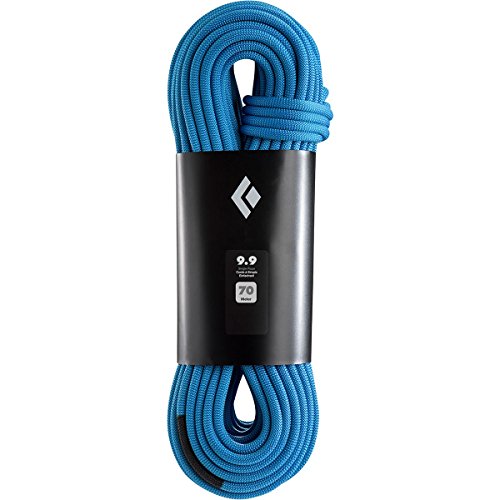
Best Beginner Climbing Rope 2026: Mammut 9.9mm vs 9.5mm Crag Classic vs We Care
A climbing rope is the most critical piece of gear you will own, the last thing between you and the ground. The good news: any modern UIAA/CE-certified single dynamic rope from a reputable brand is safe by design. The real choices are diameter (thicker is more durable and easier to belay, thinner is lighter), length (60m covers the gym and most single-pitch crags, 70m reaches longer routes), and brand. Here are three in-stock, certified dynamic ropes that cover gym to crag.

Best Beginner Climbing Shoes (2026): 3 Comfy, Flat Picks to Start In
Your first pair of climbing shoes really only needs to do one thing: help you learn without wrecking your feet. That means a flat, comfortable shoe that fits snug but not painful, not the aggressive downturned models the strong folks wear on steep overhangs. For gym bouldering, top-rope, and your first trips outside, you want grip and comfort, not a race car you can barely stand to wear for one climb. Here are three good beginner shoes, from a comfy budget pick to a moderate all-rounder you can grow into.