Best Beginner Bowling Ball (2026): 3 First-Ball Picks
Your first bowling ball comes down to one simple choice: do you want it to go straight and predictable, or start to hook? All three here are real starter balls, and the honest truth is that a plain plastic ball that rolls straight is the best first pick for a lot of people, because it is cheap, forgiving, and doubles as a spare ball forever. The real ladder is how much the ball hooks and how far you plan to take the game: a straight plastic ball to learn on, an entry reactive ball that hooks a little for your first league, or a versatile reactive ball you grow into. One thing matters more than which ball you buy, though, and that is getting it drilled to fit your hand at a pro shop. Here are three good first balls, and how to choose.
HobbyStack may earn a commission from links on this page at no extra cost to you. Our picks are chosen on merit; the commission helps fund the research.
- Decide straight or hook first. A plastic ball rolls straight and predictable and is the honest first pick for many; a reactive ball hooks but needs more skill and lane awareness.
- Get your ball drilled to fit at a pro shop. A ball drilled to your hand is safer and far more consistent than a house ball, and it is the single biggest upgrade over the rack balls at the alley.
- Pick the right weight. A rough rule is about 10 percent of your body weight up to a 16 lb cap, and it is worth going a touch lighter, since a fitted ball feels lighter than a heavy house ball.
- Plastic doubles as a spare ball forever. Even once you own a hook ball, a plastic ball stays useful for shooting straight at single-pin spares, so a plastic first ball is never wasted money.
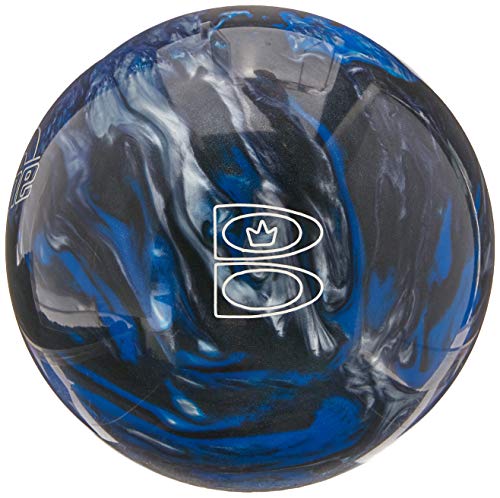 Brunswick TZone Bowling BallA predictable, go-straight first ball$70Check price
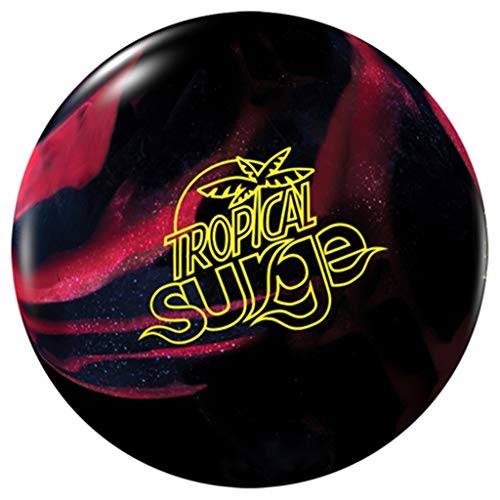 Our pickStorm Tropical Surge Bowling BallA new league bowler's first hook ball$100Check price
 Storm Hy-Road Bowling BallA first serious ball you keep for years$148Check price
The one thing that defines a bowling ball is its coverstock, the outer material, and it decides whether the ball goes straight or hooks. A plastic (polyester) ball has a smooth, slick cover that slides down the lane and rolls more or less straight, which makes it cheap, low-maintenance, and forgiving of a rough release, and it works well on the drier house lanes most beginners bowl on. A reactive resin ball has a tackier cover that grips the lane and hooks into the pocket, which is what lets better bowlers get more angle and knock down more pins, but it only works properly on oiled lanes, reacts more to lane conditions, and needs the occasional clean to keep its grip. For someone still learning a consistent throw, plastic is often the smarter start, because a reactive ball will not magically hook for you and can just add chaos. For someone joining a league who wants to learn to curve it, an entry reactive ball is the right first hook ball.
So the honest way to choose is to match the ball to how far you want to take bowling, and to not skip the pro shop. Whichever ball you buy, it is sold undrilled, and it needs to be drilled to your hand: a pro shop measures your span and fingers and drills the holes to fit you, usually for around 40 to 60 dollars, and that fit is the whole point of owning a ball. A ball drilled to you is more consistent and much easier on your thumb and wrist than a generic house ball, where the holes never quite match your hand. Weight matters too: a rough rule is about a pound per 10 pounds of body weight, up to the 16 lb maximum, but many people go a touch lighter than the house ball they are used to, because a fitted ball hangs on your hand properly and feels lighter than a rack ball of the same weight. It is always better to control a slightly lighter ball than to muscle a heavy one. From there the three picks are simple: a straight plastic ball to learn on, an entry reactive ball for your first league, or a versatile reactive ball you grow into.
 Best budget ball
Brunswick TZone Bowling Ball
The most honest first ball for a lot of people, and one plenty of coaches quietly recommend. The Brunswick TZone is a plain polyester (plastic) ball, which means it goes more or less straight instead of hooking, and that is exactly what you want while you are still learning a consistent throw. It is cheap, needs almost no maintenance, and works well on the drier house lanes beginners usually bowl on. It will not curve into the pocket the way the balls you see on TV do, and that is the point: a straight ball does not punish an inconsistent release, so you can focus on your steps, your timing, and hitting your target. Even once you improve and buy a reactive ball, a plastic ball like this never goes to waste, because it becomes your spare ball for shooting straight at single-pin spares, something even pros use a plastic ball for. Get it drilled to fit your hand at a pro shop and it will outperform any rack ball at the alley for years, at the lowest cost of anything here.
What's good
- Rolls straight and predictable, forgiving of a rough release
- Cheap, with almost no maintenance
- Works well on the dry house lanes beginners bowl on
- Doubles as a spare ball forever, even after you improve
What's not
- Does not hook, so it will not strike like a reactive ball
- Still needs drilling at a pro shop to fit your hand
 Best for most beginners
Storm Tropical Surge Bowling Ball
The classic first hook ball, and the one to get if you are joining a league and want to learn to curve it into the pocket. The Storm Tropical Surge uses a reactive resin cover, which grips the lane and hooks, unlike a plastic ball, but it is an entry-level ball, so the hook is mild and controllable rather than sharp and demanding. That is what makes it such a good teacher: it rewards a decent release with a bit of hook and more pin action, without darting all over the lane the way an aggressive high-end ball would in a beginner's hands. It is affordable, it comes in the fun colours and light scents Storm is known for, and it is far more useful for developing a hook than a plastic ball. The trade-off is that reactive resin picks up lane oil and needs the occasional wipe-down to keep hooking, and it reacts to lane conditions more than plastic does, so you have to pay a little more attention. For most beginners who want to actually bowl in a league and get better, drilled to fit your hand, this is the sweet-spot ball.
What's good
- Hooks enough to teach a real release without being wild
- Reactive resin gives more pin action than plastic
- Affordable and beginner-friendly for a first reactive ball
- Forgiving entry ball you can bowl a full first season with
What's not
- Needs the occasional clean as it picks up lane oil
- Reacts to lane conditions more than a plastic ball
 Best to grow into
Storm Hy-Road Bowling Ball
The step up for someone who already knows they are hooked on bowling and wants a ball they will not outgrow quickly. The Storm Hy-Road is one of the most popular balls ever made, for a simple reason: it just works, on a wide range of lane conditions, for a wide range of bowlers. It hooks more than the entry Tropical Surge thanks to a stronger core and a grippier hybrid reactive cover, but it is known for being controllable and predictable rather than twitchy, so a developing bowler can grow into its extra power instead of fighting it. It is more ball than an absolute first-timer needs, and it costs more than the entry options, but if you are committed and want one good ball that carries you from your first league nights into more serious bowling, this is a genuine buy-once pick. Like any reactive ball it needs the occasional clean to keep its grip, and like every ball here it must be drilled to your hand at a pro shop. If you are unsure how far you will take bowling, start with the Tropical Surge and save your money; if you know you are all in, the Hy-Road is the one.
What's good
- Versatile hook that works across many lane conditions
- Controllable and predictable, easy to grow into
- Stronger than an entry ball without being twitchy
- A proven, long-lasting first serious ball
What's not
- More ball and more money than a first-timer needs
- Needs occasional cleaning to keep its grip
It is tempting to buy a hooking reactive ball right away because that is what the pros throw, but for a lot of beginners a plain plastic ball like the TZone is the smarter start. It rolls straight and predictable, so it forgives an inconsistent release and lets you work on your steps, timing, and aim instead of fighting an unpredictable hook. It is the cheapest option, it needs almost no upkeep, and it works well on the dry house lanes you will mostly bowl on. Best of all it is never wasted money: even once you own a reactive ball, your plastic ball becomes your dedicated spare ball for shooting straight at single-pin spares, which is exactly what many league bowlers and pros keep a plastic ball for. Straight is not a downgrade at the start, it is a head start.
Which to buy: just starting and want a cheap, predictable ball that goes straight while you learn? The Brunswick TZone, which also becomes your spare ball forever. Joining a league and want a controllable first hook ball to learn to curve it into the pocket? The Storm Tropical Surge, the pick for most beginners. Committed to bowling and want a versatile reactive ball you grow into rather than out of? The Storm Hy-Road. Whichever you choose, get it drilled to fit your hand at a pro shop and pick a weight you can control, that matters more than which ball you pick.
Before you buy
Get it drilled at a pro shop, do not just use house-ball grip. Every ball is sold undrilled; a pro shop measures your hand and drills the holes to your span for about 40 to 60 dollars, and that fit is the whole reason to own a ball.
Go a touch lighter than the house ball you use. A fitted ball hangs on your hand properly and feels lighter than a rack ball of the same weight, so many people drop a pound, and it is always better to control a lighter ball than muscle a heavy one.
Throw plastic first if you throw straight now. A reactive ball will not hook for you on its own; learn a consistent release with a straight plastic ball, then add a hook ball once your throw is repeatable.
Wipe a reactive ball down after you bowl. Reactive resin soaks up lane oil and slowly loses grip, so a quick wipe after sessions, plus an occasional deep clean, keeps it hooking the way it should.
The house balls at the alley are often heavier than is ideal, and people carry that habit over when they buy their own. A rough starting rule is about a pound of ball for every 10 pounds of body weight, up to the 16 lb maximum, but there is no prize for heavy. A ball drilled to fit your hand feels noticeably lighter than a house ball of the same weight, because it hangs on your fingers properly instead of dragging on a loose thumb hole, so many bowlers comfortably drop a pound versus what they grab off the rack. Controlling a slightly lighter ball with good form beats muscling a heavy one every time, and it is much easier on your wrist, elbow, and shoulder over a long night. Lighter and controlled wins.
Beginner bowling ball questions
What bowling ball should a beginner buy?
Do I need my own bowling ball, or are house balls fine?
Should my first ball be plastic or reactive?
What weight bowling ball should I get?
Do I have to get a new bowling ball drilled?
How much should a beginner spend on a bowling ball?
For most beginners who want to bowl in a league and learn to hook, the Storm Tropical Surge is the pick: a controllable entry reactive ball that hooks enough to teach a real release without being wild, at a friendly price. If you throw straight, want the lowest cost, or mainly want a forgiving ball to learn on, the Brunswick TZone rolls straight, doubles as a spare ball forever, and is the honest first pick for a lot of people. If you are committed and want a versatile ball to grow into rather than out of, the Storm Hy-Road is a proven buy-once choice. Whatever you pick, get it drilled to fit your hand at a pro shop and choose a weight you can control, that matters more than the ball itself.
Ready to actually do it?
The first bowling quest takes an evening, and it tells you whether the gear was worth it better than any review can.
Start BowlingThe HobbyStack editorial team researches each guide against manufacturer specifications, published resources and practitioner sources. Every product is checked for availability and described against its current listing before publication, and prices are re-checked when guides are updated.
About our editorial process →More gear guides
All guides
Best Bowling Shoes (2026): One Shoe Slides, the Other Stops
Rental shoes have slide soles on both feet, which is why they are handed out to everyone and why they never feel right. A proper bowling shoe is asymmetric: one foot slides through the release, the other grips to push off and stop. Which foot does which depends on the hand you bowl with, and buying the wrong version means a shoe that fights every approach.

Best Beginner Pool Cue (2026): 3 Two-Piece Cues for Every Budget
Owning your own cue is the single biggest upgrade to your game, because house cues are usually warped, mismatched, and worn out. A good beginner cue is a straight two-piece maple stick around 19 ounces with a 13mm tip, which is the standard setup that suits almost everyone. Here are three that fit the bill, from a solid entry cue to a premium American-made stick.

Best Beginner Pickleball Paddle (2026): 3 Picks for Every Budget
The paddle is the one piece of gear that actually changes how you play, and the wall of look-alike options hides a few real differences that matter on day one. Here are three we'd hand a new player: a no-regrets budget pick, an all-around upgrade, and a control paddle worth growing into.

Best Pickleballs (2026): Indoor and Outdoor Are Not the Same Ball
Turning up with the wrong ball is the most common equipment mistake in pickleball, and it is invisible until you play. Outdoor balls are hard, heavy and drilled with many small holes so wind cannot push them around. Indoor balls are softer and lighter with fewer, larger holes. Play one where the other belongs and the game feels wrong for reasons nobody can name.
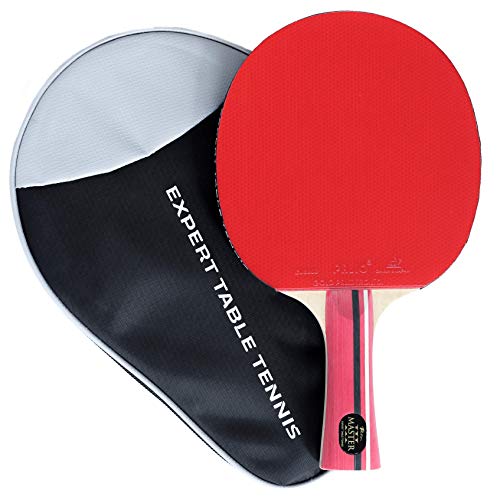
Best Ping Pong Paddle for Beginners (2026): 3 Real Rackets to Improve With
If you have only ever played with the hard, pimpled paddles from a rec-room drawer, a real ping pong paddle is a revelation: the grippy rubber lets you put spin on the ball and actually control where it goes, which is how the game is meant to feel. For a beginner who wants to improve, the sweet spot is a pre-made paddle with decent controllable rubber, not a cheap toy and not a pricey custom setup. Here are three, from the control-first paddle coaches most often recommend to a faster carbon blade to grow into.
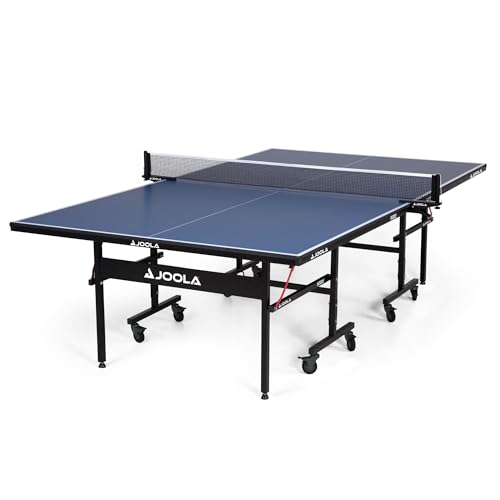
Best Ping Pong Table for Beginners (2026): From Conversion Top to Tournament
A ping pong table is a big purchase, and the first real question is not which brand but how much table you actually need and have room for. If you already have a dining or pool table, a conversion top gets you playing for a little over a hundred dollars. If you want a proper folding table you can roll away, that is the sweet spot most people should buy. And if you want tournament-grade bounce, a thicker top is the upgrade. All three picks here are from JOOLA, an Olympic table tennis brand, and they climb from topper to tournament.