Best Beginner Hiking Backpack 2026: Osprey Daylite vs Talon vs Atmos
The right hiking backpack depends on one number: how long you plan to be out. Day hike → 20–30L. Overnight → 33–45L. Multi-day → 50–65L. Get the volume wrong and you're either cramming gear into too little space or hauling empty weight all day. Here are three Osprey packs, each sized for a different stage of hiking, that will outlast your beginner phase.
HobbyStack may earn a commission from links on this page at no extra cost to you. Our picks are chosen on merit; the commission helps fund the research.
- Match the pack to the trip length: 20–30L for day hikes, 33–45L for overnight, 50–65L for multi-day backpacking. Buying too large is the most common beginner mistake — empty volume adds weight and messes with load balance.
- Our pick: Osprey Hikelite LT 30L (~$160). The right pack for day hikers who want overnight capability built in. AirScape backpanel, hipbelt that actually transfers load, hydration-ready.
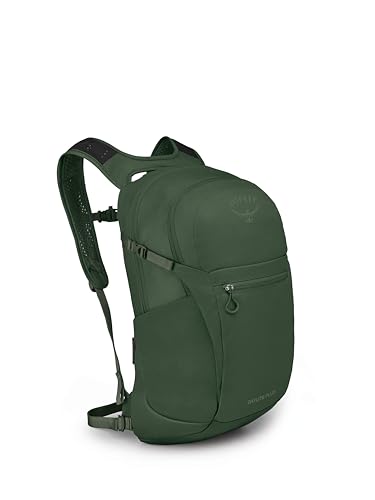
- Day hiking only: Osprey Daylite Plus (~$55). Osprey's clean 20L pack for half-day and full-day hikes. Hydration sleeve, organization, and build quality that blows away cheap no-name packs.
- Multi-day backpacking: Osprey Atmos AG LT 50 (~$250). Anti-Gravity suspension carries heavy loads without killing your back — the pack serious beginners buy and keep for a decade.
- Fit matters more than features. A pack that fits your torso length and hipbelt is more comfortable than a feature-heavy pack that doesn't transfer load correctly. If possible, load up and try before you buy.


Why volume is the only spec that matters first
Most beginners either buy a 65L backpacking pack for day hikes (too big, too heavy, load balance is off) or cram a 20L gym bag for an overnight (no frame, no hipbelt, shoulders destroyed by mile three). The right answer is sized to your trip: 20L covers most day hikes, 33L adds overnight capability, and 50L handles 3–5 day trips comfortably. Beyond 65L is mountaineering and ultra-long-distance territory — not where beginners start.
The second thing that matters is the frame and hipbelt. A real hiking pack has an internal frame (aluminum stays or plastic sheet) that transfers 70–80% of pack weight from your shoulders to your hips. A bag without this — including most gym bags and "outdoor" packs under $40 — puts all the weight on your shoulders. After four hours, this destroys you. Every pick here has a real frame and a real hipbelt for this reason.
How we picked
All three picks are Osprey, and that's intentional: Osprey's All Mighty Guarantee covers defects and damage for life, and their packs are consistently top-ranked across OutdoorGearLab, REI's editorial team, and CleverHiker. We weighted: volume and trip-length fit, suspension quality (frame + hipbelt load transfer), ventilated backpanel (air gap or mesh to reduce sweat), organization (pockets sized for actual gear), and weight (a pack that adds 4+ lbs before you put anything in it is a bad start). Premium carbon or titanium frames aren't worth it for beginners — the Osprey aluminum-stay system in all three picks is excellent.
 Best for most hikers
Osprey Hikelite LT 30L
The comfortable do-everything daypack most hikers should buy. At 30 liters the Osprey Hikelite LT carries a full day of water, layers, food, and the ten essentials with room to spare, on a ventilated back panel that keeps you cooler on the climb. It has thoughtful pockets, trekking-pole attachments, an included rain cover, and Osprey no-questions warranty. Light enough for fast day hikes, big enough for a long one, it is the daypack you will reach for every trip.
What's good
- 30L fits a full day of kit with room to spare
- Ventilated back panel runs cooler on climbs
- Rain cover, pole attachments, and smart pockets
- Osprey all-mighty guarantee
What's not
- More pack than a short-stroll walker needs
- Daypack size, not for overnights
 Best for day hiking
Osprey Daylite Plus
The Osprey Daylite Plus is the right starter pack for hikers doing day trails and wanting genuine quality without the Talon's price. It carries a 3L hydration bladder (not included), has a front zip organizer pocket for small items, and uses Osprey's recycled fabrics with a DWR coating. It's 20L — which means it fits water, a jacket, snacks, a first aid kit, and your phone easily, but won't swallow a sleeping bag. A framesheet keeps the back panel stable under load. Importantly it's a real Osprey pack with Osprey's All Mighty Guarantee — not a no-name daypack that falls apart after one season.
What's good
- Real Osprey quality and guarantee at a low price
- Hydration reservoir compatible (sleeve included, bladder not)
- 20L is right-sized for day hikes without unnecessary bulk
- DWR coating handles light rain
- Compresses down well when not fully loaded
What's not
- No frame stays — not suitable for heavy loads or backpacking
- Hipbelt is minimal (just a strap, not padded load-bearing)
- 20L too small for overnight trips or anything longer than a day
 Best for multi-day backpacking
Osprey Atmos AG LT 50
The Osprey Atmos AG LT 50 has Osprey's Anti-Gravity suspension — a trampoline-style tensioned mesh backpanel that wraps around your torso and distributes load across your entire back, not just two straps. The practical effect is that 30–35 lbs of pack weight feels significantly lighter than on a standard pack. At 50 liters it carries 3–5 days of backpacking gear for three-season trips comfortably. The LT (lightweight) version shaves weight vs the older Atmos AG models without sacrificing the suspension quality. If you're planning to move from day hiking to overnights and multi-day trips in the next year, this is the pack to buy once rather than upgrading twice.
What's good
- Anti-Gravity trampoline suspension makes heavy loads feel significantly lighter
- 50L hits the sweet spot for 3–5 day three-season trips
- Osprey All Mighty Guarantee — repaired or replaced for life
- LT frame is lighter than the older Atmos AG without losing suspension performance
- Hipbelt wings wrap your hips for true load transfer
What's not
- Overkill (and expensive) for day hiking
- At 2.8 lb, heavier than ultralight packs at this volume
- Takes time to dial in the fit — read the fit guide before hitting the trail
An empty hiking pack feels comfortable in the store but tells you nothing. Load it with 15–20 lbs of weight (use the bags of sand stores often have), then tighten the hipbelt first, then the shoulder straps, then the load lifters. The hipbelt should sit on your hip bones, not your waist. Your shoulders should feel the pack but not bear the majority of the weight — if they do, the pack doesn't fit your torso or the hipbelt is too high.
Before you buy
Pack your sleeping bag and pad at the bottom, heavy items (food, water, shelter) against your back at mid-height, and light bulky items at the top. Heavy items close to your back improve balance.
Fill your water bottles or hydration bladder before leaving the trailhead — water is usually the heaviest item in your pack, and you want that weight distributed before you find out it's uncomfortable.
For day hikes, a 20–25L pack should feel mostly full. If it's half-empty, it's too big. If you're strapping things to the outside, it's too small.
Line your pack with a heavy-duty garbage bag before a rainy hike. Rain covers help but nothing is fully waterproof in sustained downpours — a trash bag liner guarantees your sleeping bag and electronics stay dry.
Clean your pack after muddy or wet trips: turn out the pockets, wipe down the frame, and air it out fully before storing. Mold and mildew in the suspension straps ruins packs that would otherwise last decades.
Common questions about beginner hiking backpacks
What size hiking backpack does a beginner need?
Do I need a frame in a hiking backpack?
Why Osprey over cheaper hiking packs?
How do I know if a hiking backpack fits?
Is 20L enough for a full-day hike?
What should I pack in a day hiking backpack?
The Osprey Hikelite LT 30L is the right starting pack for most hikers — versatile enough for day hikes and light overnights, built to last, and backed by Osprey's lifetime guarantee. Day hikers who'll never overnight can save $100 with the Daylite Plus. Multi-day backpackers should skip the Talon and go straight to the Atmos AG LT 50.
Ready to actually do it?
The first hiking quest takes an evening, and it tells you whether the gear was worth it better than any review can.
Start HikingThe HobbyStack editorial team researches each guide using practitioner communities, published resources, and direct input from active hobbyists. Every guide is reviewed for accuracy before publication and updated when practices change.
About our editorial process →More gear guides
All guides
Best Beginner Hiking Boots 2026: Merrell Moab 3 vs Salomon X Ultra 4
Your first hiking boots need to do three things: not blister you, stay dry on wet trails, and grip technical terrain. The Merrell Moab 3 Waterproof checks all three for around $130. Here are three real boots: a non-waterproof breathable option, the waterproof all-rounder, and a stiffer upgrade for rocky terrain, each with a confirmed Amazon link.
Best Beginner Hiking Headlamp 2026: GearLight vs Black Diamond vs Petzl
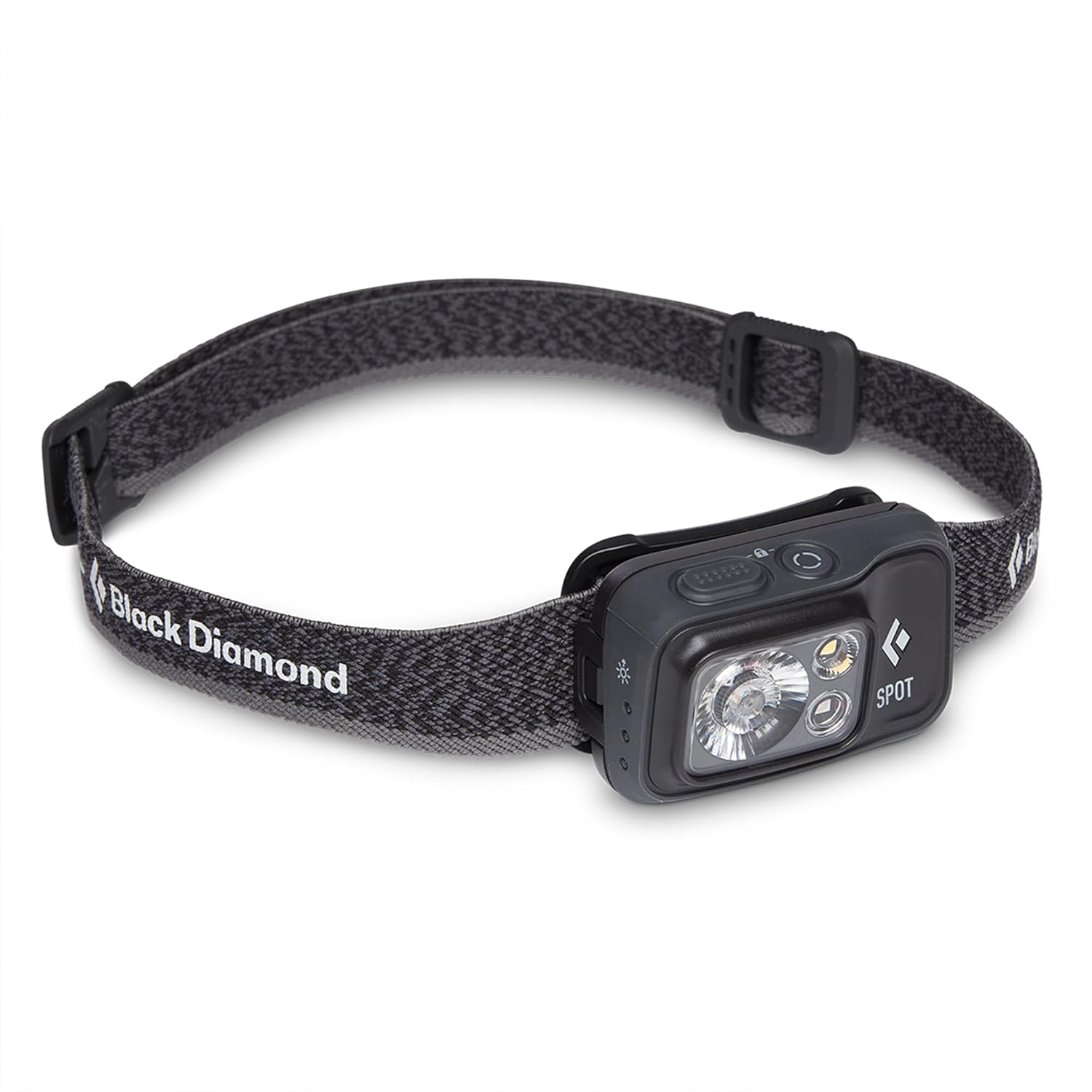
A headlamp is not optional: it belongs in your pack on every hike, even day hikes. Trailhead emergencies, slower-than-planned descents, and headlamp-only summit attempts all happen. The question is which one to bring. Here are three picks across the price spectrum: a sub-$25 backup pair, the consensus day-hiking lamp, and Petzl's rechargeable powerhouse for longer days.
Best Beginner Hiking Water Bottle 2026: Nalgene vs Hydro Flask vs CamelBak
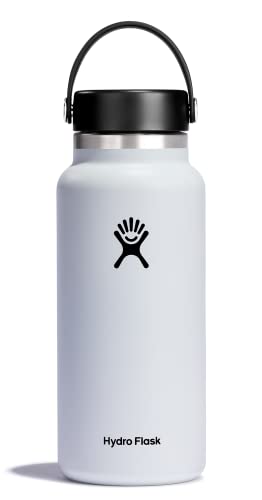
Dehydration is the most common cause of early hike turnarounds and trail emergencies. The solution is simple: carry enough water and actually drink it. Here are three hydration options: the indestructible trail standard, the insulated bottle that keeps drinks cold all day, and the hands-free reservoir system for longer and hotter hikes.

Best Beginner Trekking Poles 2026: Black Diamond Trail vs Distance Z
Trekking poles reduce knee impact by up to 25% on descents and add meaningful stability on uneven terrain. They're not optional once you start hiking with a loaded pack or doing technical descents. Here are three pairs: a no-frills starter, the consensus day-hiking pair, and a folding carbon option for hikers who want minimum weight.

Best Handheld GPS for Hiking (2026): 3 Rugged Picks That Work Off-Grid
A handheld GPS is rugged, reliable backcountry navigation that keeps working where your phone gives up: no cell signal needed, sunlight-readable screens, and batteries that last days, not hours. The choice comes down to whether you also want satellite SOS messaging for safety. Here are three good ones, all from Garmin, from a simple trail unit to a do-everything device with an emergency beacon.

Best Hiking First Aid Kit 2026: Surviveware vs AMK Watertight vs Backcountry
A first aid kit is mandatory on any hike beyond a paved trail. Blisters, cuts, sprains, allergic reactions, and hypothermia are all scenarios where having the right supplies on hand determines the outcome. Here are three kits that cover day hiking, weekend backpacking, and multi-day backcountry trips, each sized and stocked for what you'll actually encounter.