Best Hiking First Aid Kit 2026: Surviveware vs AMK Watertight vs Backcountry
A first aid kit is mandatory on any hike beyond a paved trail. Blisters, cuts, sprains, allergic reactions, and hypothermia are all scenarios where having the right supplies on hand determines the outcome. Here are three kits that cover day hiking, weekend backpacking, and multi-day backcountry trips, each sized and stocked for what you'll actually encounter.
HobbyStack may earn a commission from links on this page at no extra cost to you. Our picks are chosen on merit; the commission helps fund the research.
- A first aid kit belongs in your hiking pack on every trip — including day hikes. Blisters, cuts, and sprains are far more common than dramatic emergencies, and the right supplies turn a trip-ending blister into a manageable inconvenience.
- Our pick: AMK Ultralight/Watertight .9 (~$65). The kit outdoor-specific brands use — waterproof case, real medical supplies including blister care, and coverage for up to 4 people for up to 4 days.
- Day hiking: Adventure Medical UL/WT Small (~$35). A compact organized kit with real supplies for day hikes. More substance than the generic kits sold in drug stores; less than the AMK for overnight use.
- Backcountry: AMK Mountain Series Explorer (~$110). Comprehensive multi-day kit for serious backcountry use. Includes advanced wound care, splint material, and extended supply quantities.
- Know how to use what's in your kit. A first aid kit with supplies you don't know how to use is less useful than a smaller kit you understand. Take a Wilderness First Aid or basic first aid course — it's more valuable than any kit.
 Adventure Medical UL/WT .5$2451 pieces · organized compartments · day hikingDay hikes and casual outdoor use
 Adventure Medical Kits Ultralight/Watertight .9Pick$48Waterproof · up to 4 people · blister + wound careOvernight and weekend backpacking
 AMK Mountain Series Explorer$86Multi-day · advanced wound care · extended suppliesMulti-day backcountry trips
What goes in a hiking first aid kit
The most common hiking injuries by frequency: blisters (friction, wet feet, poor sock fit), cuts and abrasions (falls, scrambling, brush), sprains (ankles, most common on uneven terrain), sunburn, and allergic reactions (insect stings, plant contact). Every kit here covers these. The AMK kits also cover wound closure (steri-strips), SAM splint material for suspected fractures, and enough supplies for extended self-care if rescue is delayed.
For most day hikes, the Adventure Medical UL/WT Small is appropriately stocked. For overnight trips where you're responsible for your own care for 12–48+ hours before a rescue could reach you, the AMK Ultralight/Watertight .9's supply depth matters. For backcountry and multi-day trips at altitude, the Mountain Backcountry's advanced supplies justify its size and cost.
How we picked
We filtered on: organization (a kit where you can't find what you need quickly is useless in an emergency — all three picks use organized internal compartments), supply substance (many cheap first aid kits are mostly band-aids; these have real wound care, blister supplies, and closure materials), waterproofing (a soaked first aid kit in rain or after a stream crossing is largely useless — waterproof cases matter), size and weight (backpacking kits must be carried all day — lighter is better within the required supply depth), and brand reputation (Adventure Medical Kits and Adventure Medical UL/WT are the two brands most consistently recommended by hiking guide organizations and Wilderness First Aid instructors). We excluded drug-store kits with inadequate backcountry supplies.
 Best budget kit
Adventure Medical UL/WT .5
A genuinely trail-ready kit for the least. The Adventure Medical Ultralight/Watertight .5 packs the supplies that actually matter on the trail, wound care, blister treatment, medications, and basic tools, into a waterproof inner bag inside a light outer, so your bandages stay dry through rain and creek crossings. Sized for one to two people on day hikes. It is smaller than the bigger AMK kits, but it covers the real day-hike injuries and keeps everything dry, which is the whole point.
What's good
- Waterproof double-bag keeps supplies dry
- Real trail supplies: wound and blister care, meds
- Light and compact for a day pack
- Sized for one to two people
What's not
- Day-hike sized, restock for longer trips
- Fewer supplies than the larger AMK kits
 Best for backpacking and overnights
Adventure Medical Kits Ultralight/Watertight .9
The AMK Ultralight/Watertight .9 is the first aid kit that outdoor-specific brands and Wilderness First Aid instructors put in most backpacking packs. The DryFlex waterproof outer bag keeps the supplies dry in rain, stream crossings, and swamp cooler conditions — where a wet kit can become a paper/bandage mash. The supply depth is meaningfully beyond the Adventure Medical UL/WT: it includes Moleskin and Blister Medic for real blister management, wound closure strips (steri-strips for lacerations), an irrigation syringe for wound cleaning, a SAM splint for immobilizing a suspected fracture, and a Wilderness Medicine booklet that covers backcountry-specific care decisions. Organized by medical category (wound care, blister, medications, tools) so you can find the right section under stress. At .9 oz per person for a 4-day coverage rating, it justifies its weight in any pack.
What's good
- Waterproof DryFlex bag — supplies stay dry in rain, river crossings, and high humidity
- SAM splint included — can immobilize a suspected fracture in the backcountry
- Moleskin and Blister Medic for real blister treatment (not just band-aids)
- Wound closure strips for laceration management
- Organized by medical category for fast access
- Wilderness Medicine booklet included
What's not
- $65 — more than double the Adventure Medical UL/WT for the extra supply depth
- Larger than the Adventure Medical UL/WT — takes a full pocket of a day or hiking pack
- No epi-pen or prescription medications (buy and add separately if you have known allergies)
 Best for multi-day backcountry
AMK Mountain Series Explorer
The AMK Mountain Backcountry is the kit for scenarios where you or someone in your group might need self-managed care for 24–72 hours before rescue reaches you. The supply depth goes beyond the Ultralight .9: QuikClot hemostatic gauze for severe bleeding, a larger SAM splint, additional wound closure strips for more complex lacerations, and significantly more of every consumable for extended multi-day use. An emergency dental kit handles a cracked or lost filling in the backcountry — a scenario that's surprisingly common on multi-week trips. Organized by medical category with a full Wilderness Medicine treatment guide. The right kit for: multi-day routes in remote terrain, technical alpine objectives, and anyone leading group trips where they're responsible for multiple people in scenarios without quick rescue access.
What's good
- QuikClot hemostatic gauze for severe bleeding management
- Emergency dental kit — covers dental emergencies on extended trips
- Extended consumable quantities for multi-day self-managed care
- Full SAM splint for fracture immobilization
- Comprehensive Wilderness Medicine guide for backcountry decision-making
What's not
- $110 and heavier than the .9 — overkill for day hikes and most weekend backpacking
- Doesn't include prescription medications (epi-pen, antibiotics) — add separately if needed
- Largest of the three — takes meaningful pack space
Open your first aid kit at home and identify every item. Know where the blister supplies are, where the wound closure strips are, and where the gloves are. Practice opening and locating things quickly. In an actual emergency — someone is bleeding, in pain, and needs help — fumbling through an unfamiliar kit under stress wastes critical time. Two minutes of pre-trip familiarity makes a real difference.
Before you buy
Moleskin is the most important blister supply — apply it before the blister forms, at the first sign of a hot spot. Donut-cut around an existing blister to relieve pressure without rupturing it.
Check your kit before each trip: verify nothing is expired (antiseptic wipes and medical tape have shelf lives), restock anything you used, and confirm the gloves aren't dry-rotted (latex and nitrile degrade over time).
Add personal medications to your kit: antihistamines (Benadryl) for allergic reactions, ibuprofen for inflammation, and antacids for altitude-related nausea. The standard kits don't include prescription medications.
Know when to call for rescue. A sprained ankle on a 2-mile trail from the trailhead: self-treat and walk out. A suspected fracture at mile 8 on a remote trail: call for help, splint in place, keep the patient warm. The Wilderness Medicine guides in the AMK kits cover these triage decisions.
Keep your first aid kit in the same external pocket every trip so you can locate it without searching in a stressful situation — both for yourself and for anyone else in your group who might need to access it.
Common questions about hiking first aid kits
Do I need a first aid kit for a short day hike?
What first aid training should I get as a hiker?
What should I add to a hiking first aid kit?
How long does a first aid kit last?
How do I treat a hiking blister in the field?
The AMK Ultralight/Watertight .9 is the right kit for most hikers who go beyond day trails — waterproof, properly stocked for overnight use, and the kit Wilderness First Aid instructors actually recommend. Grab the Adventure Medical UL/WT Small for a compact day-hike kit. Upgrade to the AMK Mountain Backcountry when you're doing multi-day remote routes.
Ready to actually do it?
The first hiking quest takes an evening, and it tells you whether the gear was worth it better than any review can.
Start HikingThe HobbyStack editorial team researches each guide using practitioner communities, published resources, and direct input from active hobbyists. Every guide is reviewed for accuracy before publication and updated when practices change.
About our editorial process →More gear guides
All guides
Best Beginner Hiking Backpack 2026: Osprey Daylite vs Talon vs Atmos
The right hiking backpack depends on one number: how long you plan to be out. Day hike → 20–30L. Overnight → 33–45L. Multi-day → 50–65L. Get the volume wrong and you're either cramming gear into too little space or hauling empty weight all day. Here are three Osprey packs, each sized for a different stage of hiking, that will outlast your beginner phase.

Best Beginner Hiking Boots 2026: Merrell Moab 3 vs Salomon X Ultra 4
Your first hiking boots need to do three things: not blister you, stay dry on wet trails, and grip technical terrain. The Merrell Moab 3 Waterproof checks all three for around $130. Here are three real boots: a non-waterproof breathable option, the waterproof all-rounder, and a stiffer upgrade for rocky terrain, each with a confirmed Amazon link.
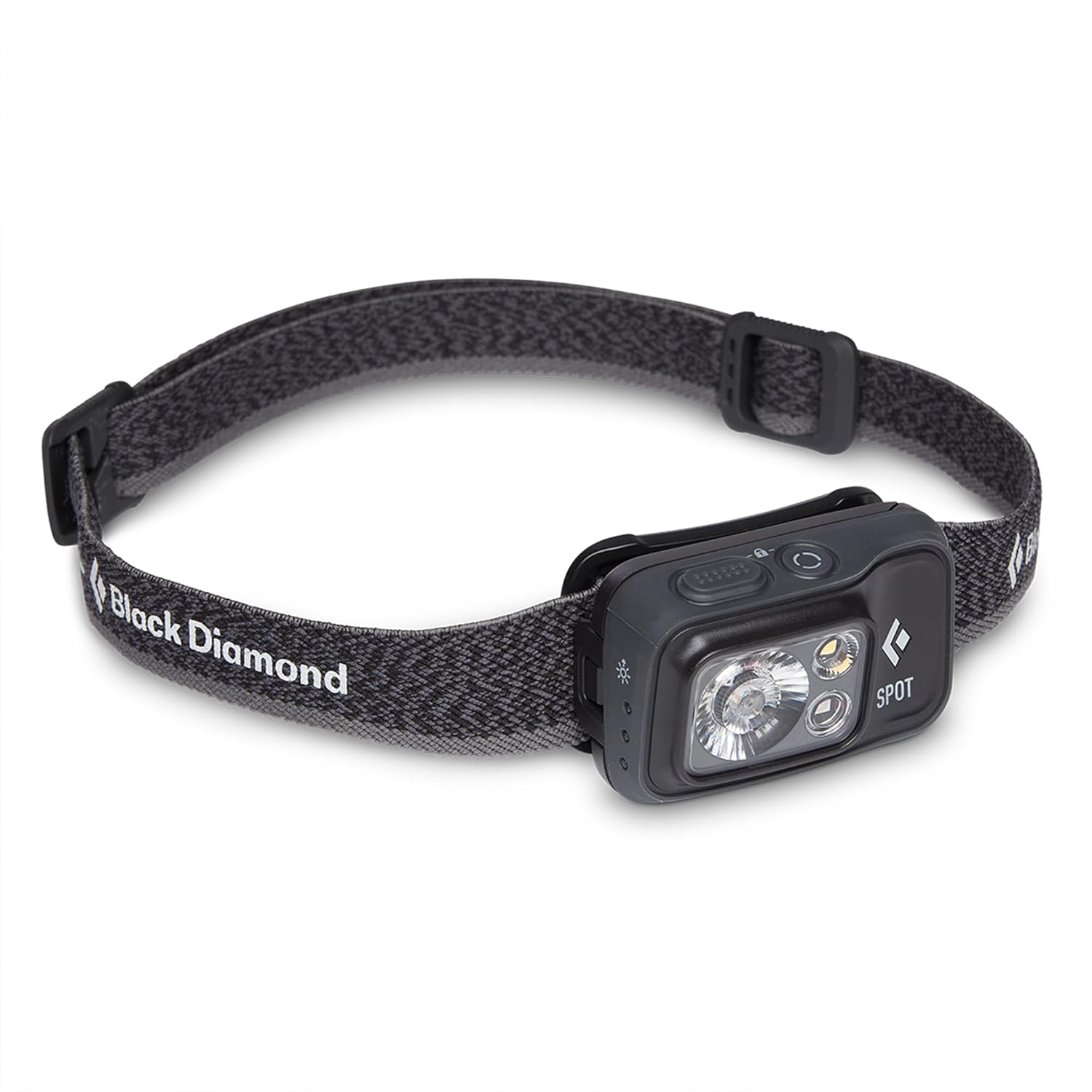
Best Beginner Hiking Headlamp 2026: GearLight vs Black Diamond vs Petzl
A headlamp is not optional: it belongs in your pack on every hike, even day hikes. Trailhead emergencies, slower-than-planned descents, and headlamp-only summit attempts all happen. The question is which one to bring. Here are three picks across the price spectrum: a sub-$25 backup pair, the consensus day-hiking lamp, and Petzl's rechargeable powerhouse for longer days.
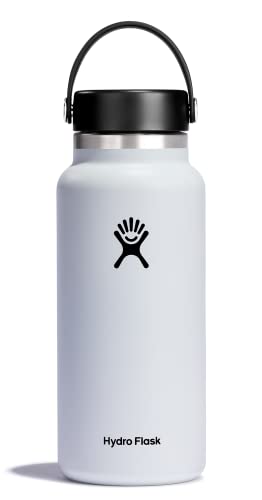
Best Beginner Hiking Water Bottle 2026: Nalgene vs Hydro Flask vs CamelBak
Dehydration is the most common cause of early hike turnarounds and trail emergencies. The solution is simple: carry enough water and actually drink it. Here are three hydration options: the indestructible trail standard, the insulated bottle that keeps drinks cold all day, and the hands-free reservoir system for longer and hotter hikes.

Best Beginner Trekking Poles 2026: Black Diamond Trail vs Distance Z
Trekking poles reduce knee impact by up to 25% on descents and add meaningful stability on uneven terrain. They're not optional once you start hiking with a loaded pack or doing technical descents. Here are three pairs: a no-frills starter, the consensus day-hiking pair, and a folding carbon option for hikers who want minimum weight.

Best Handheld GPS for Hiking (2026): 3 Rugged Picks That Work Off-Grid
A handheld GPS is rugged, reliable backcountry navigation that keeps working where your phone gives up: no cell signal needed, sunlight-readable screens, and batteries that last days, not hours. The choice comes down to whether you also want satellite SOS messaging for safety. Here are three good ones, all from Garmin, from a simple trail unit to a do-everything device with an emergency beacon.