Best Handheld GPS for Hiking (2026): 3 Rugged Picks That Work Off-Grid
A handheld GPS is rugged, reliable backcountry navigation that keeps working where your phone gives up: no cell signal needed, sunlight-readable screens, and batteries that last days, not hours. The choice comes down to whether you also want satellite SOS messaging for safety. Here are three good ones, all from Garmin, from a simple trail unit to a do-everything device with an emergency beacon.
HobbyStack may earn a commission from links on this page at no extra cost to you. Our picks are chosen on merit; the commission helps fund the research.
- A handheld GPS works with no cell signal, is readable in bright sun, and runs for days on batteries, unlike a phone.
- It is a backup to a map and compass, not a replacement. Carry both and know how to use them.
- Some units add satellite SOS and two-way messaging, so you can call for help from anywhere. That is a real safety feature for solo or remote hikers.
- Look for preloaded topographic maps and a sunlight-readable screen. Those matter more than raw features.
 Garmin eTrex 22x Handheld GPSSimple, reliable trail navigation$200Check price
 Our pickGarmin GPSMAP 66i (GPS + inReach SOS)Navigation plus a safety lifeline$700Check price
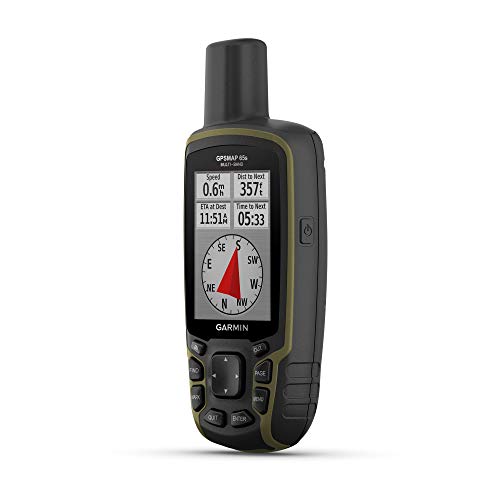 Garmin GPSMAP 65sThe best pure navigation and battery$355Check price
Your phone is a fine navigation tool until it is not: it dies in the cold, drains fast running GPS, washes out in bright sun, and needs signal to load maps. A dedicated handheld GPS is built for exactly the moments a phone fails. It picks up satellites directly (no cell towers), has a transflective screen that gets clearer in sunlight, survives rain and drops, and runs for a day or more on batteries you can swap or recharge. For anyone going beyond well-marked, popular trails, it is the difference between confident navigation and hoping your phone lasts.
The one meaningful decision is whether you want satellite communication. A basic unit like the eTrex simply shows you where you are on a topo map. The GPSMAP 66i adds an inReach satellite communicator, which means you can send an SOS to a 24/7 rescue center and text loved ones from places with no cell coverage at all, a genuine safety upgrade for solo hikers and remote trips. The GPSMAP 65s drops the satellite messaging in favor of the best pure navigation: multi-band accuracy and huge battery life. So choose the 66i if safety comms matter, the 67 if you want the ultimate map-and-battery unit.
 Best budget GPS
Garmin eTrex 22x Handheld GPS
The reliable, affordable way to never get lost. The Garmin eTrex 22x is a compact handheld with a 2.2-inch sunlight-readable color screen, preloaded TopoActive maps with routable trails, and support for both GPS and GLONASS satellites so it locks on even under tree cover. It runs a long time on two AA batteries you can swap in the field. It does not do satellite messaging, but for straightforward on-trail navigation that keeps working when your phone would not, it is a proven, budget-friendly classic.
What's good
- Sunlight-readable, works with no signal
- Preloaded routable TopoActive maps
- GPS + GLONASS for reliable lock
- Runs on swappable AA batteries
What's not
- Small 2.2-inch screen
- No satellite SOS or messaging
 Best for most hikers
Garmin GPSMAP 66i (GPS + inReach SOS)
The unit that navigates and keeps you safe. The GPSMAP 66i pairs a bright 3-inch screen and preloaded TOPO maps with a built-in inReach satellite communicator, so from anywhere on Earth you can trigger an SOS to a 24/7 search-and-rescue center and send two-way text messages, no cell signal required. It also pulls active weather and BirdsEye satellite imagery. For solo hikers, remote trails, or anyone who wants a lifeline, that safety layer is worth a lot. It is the no-overthinking pick for hiking beyond easy day trails.
What's good
- inReach satellite SOS to 24/7 rescue
- Two-way texting with no cell signal
- Bright 3-inch screen, TOPO + imagery
- Active weather forecasts
What's not
- SOS/messaging needs a subscription
- Pricier than a basic unit
 Best to grow into
Garmin GPSMAP 65s
The handheld for someone who wants the best navigation, full stop. The GPSMAP 67 uses expanded multi-band GNSS for enhanced accuracy in tough terrain like canyons and dense forest, has a bright 3-inch screen, and runs an enormous 180 hours in standard mode (up to 840 in expedition mode) on its internal rechargeable battery. It also carries a 3-axis compass and barometric altimeter for precise heading and elevation. It skips the satellite SOS of the 66i in favor of pure navigation and battery, so it is the pick if you carry a separate beacon or stick to areas with coverage.
What's good
- Multi-band GNSS for top accuracy
- Up to 180 hr battery (840 expedition)
- 3-axis compass and barometric altimeter
- Bright 3-inch sunlight-readable screen
What's not
- No built-in satellite SOS (unlike the 66i)
- Premium price
Electronics fail: batteries die, units break, screens crack. Always carry a paper map and a compass for your area and know how to use them, so a dead GPS is an inconvenience, not an emergency. Bring spare batteries (or a power bank), keep the device warm in cold weather so the battery lasts, and download your maps before you leave signal. The GPS is a powerful tool, but it is one layer of navigation, not the only one.
Which to buy: want simple, reliable navigation for the least? The eTrex 22x. Want that plus a satellite SOS and texting lifeline for solo or remote hikes? The GPSMAP 66i is the pick for most. Want the most accurate navigation and huge battery, and you carry a separate beacon? The GPSMAP 65s.
Before you buy
Download and check your maps at home, before you lose cell signal at the trailhead.
Carry spare AA batteries or a power bank, and keep the unit warm in the cold to preserve battery.
Still pack a paper map and compass, and practise using them, as a failsafe.
If you hike solo or off popular trails, seriously consider a unit with satellite SOS like the 66i.
Handheld GPS questions
Why not just use my phone for hiking navigation?
What is the difference between a GPS and a satellite communicator?
Do I need a subscription?
How long do the batteries last?
Are these hard to use?
Which Garmin should a beginner get?
For most hikers the Garmin GPSMAP 66i is the pick: reliable navigation plus an inReach satellite SOS and texting lifeline that works anywhere, which is worth a lot on solo or remote trails. Want simple, dependable navigation for less? The eTrex 22x. Want the most accurate GPS and huge battery and you carry a separate beacon? The GPSMAP 65s. Whatever you choose, still carry a map and compass and bring spare power.
Ready to actually do it?
The first hiking quest takes an evening, and it tells you whether the gear was worth it better than any review can.
Start HikingThe HobbyStack editorial team researches each guide against manufacturer specifications, published resources and practitioner sources. Every product is checked for availability and described against its current listing before publication, and prices are re-checked when guides are updated.
About our editorial process →More gear guides
All guides
Best Beginner Hiking Backpack 2026: Osprey Daylite vs Talon vs Atmos
The right hiking backpack depends on one number: how long you plan to be out. Day hike → 20–30L. Overnight → 33–45L. Multi-day → 50–65L. Get the volume wrong and you're either cramming gear into too little space or hauling empty weight all day. Here are three Osprey packs, each sized for a different stage of hiking, that will outlast your beginner phase.

Best Beginner Hiking Boots 2026: Merrell Moab 3 vs Salomon X Ultra 4
Your first hiking boots need to do three things: not blister you, stay dry on wet trails, and grip technical terrain. The Merrell Moab 3 Waterproof checks all three for around $130. Here are three real boots: a non-waterproof breathable option, the waterproof all-rounder, and a stiffer upgrade for rocky terrain, each with a confirmed Amazon link.
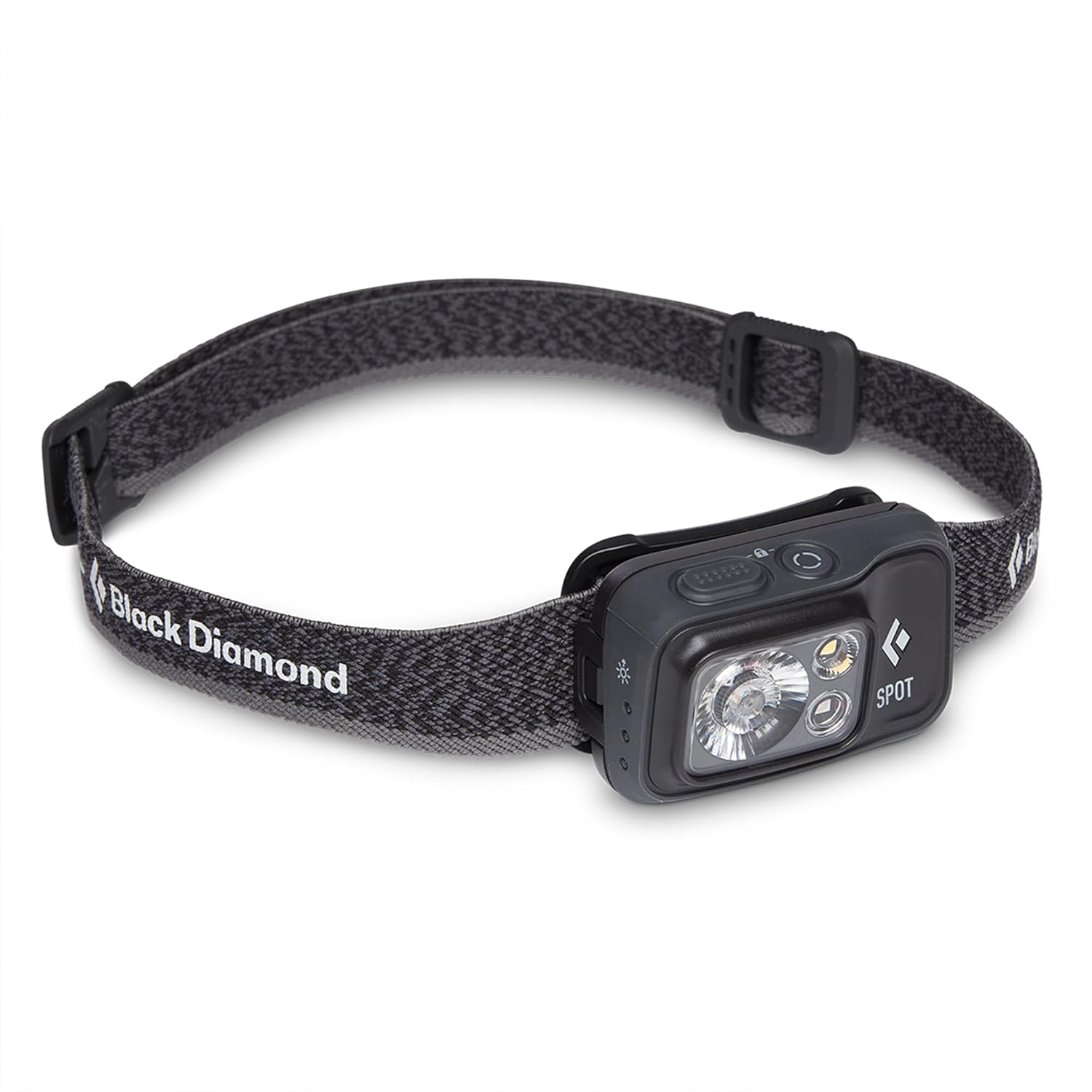
Best Beginner Hiking Headlamp 2026: GearLight vs Black Diamond vs Petzl
A headlamp is not optional: it belongs in your pack on every hike, even day hikes. Trailhead emergencies, slower-than-planned descents, and headlamp-only summit attempts all happen. The question is which one to bring. Here are three picks across the price spectrum: a sub-$25 backup pair, the consensus day-hiking lamp, and Petzl's rechargeable powerhouse for longer days.
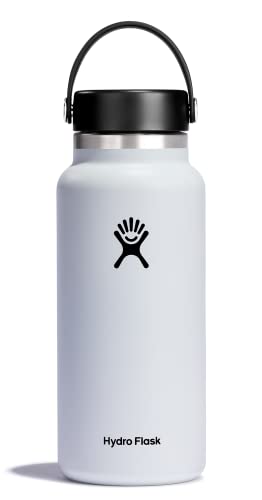
Best Beginner Hiking Water Bottle 2026: Nalgene vs Hydro Flask vs CamelBak
Dehydration is the most common cause of early hike turnarounds and trail emergencies. The solution is simple: carry enough water and actually drink it. Here are three hydration options: the indestructible trail standard, the insulated bottle that keeps drinks cold all day, and the hands-free reservoir system for longer and hotter hikes.

Best Beginner Trekking Poles 2026: Black Diamond Trail vs Distance Z
Trekking poles reduce knee impact by up to 25% on descents and add meaningful stability on uneven terrain. They're not optional once you start hiking with a loaded pack or doing technical descents. Here are three pairs: a no-frills starter, the consensus day-hiking pair, and a folding carbon option for hikers who want minimum weight.

Best Hiking First Aid Kit 2026: Surviveware vs AMK Watertight vs Backcountry
A first aid kit is mandatory on any hike beyond a paved trail. Blisters, cuts, sprains, allergic reactions, and hypothermia are all scenarios where having the right supplies on hand determines the outcome. Here are three kits that cover day hiking, weekend backpacking, and multi-day backcountry trips, each sized and stocked for what you'll actually encounter.