Best Beginner Ice Skates (2026): 3 Figure Skates from First Steps to Lessons
For your first pair of figure skates, the thing that matters most is fit, not looks or the brand on the boot. A skate that is too big or too soft lets your ankle fold inward, which makes skating harder and scarier than it needs to be. All three picks here are from Jackson Ultima, the brand most learn-to-skate programs point beginners toward, and they climb a clear ladder: a recreational skate for casual outings, a proper lessons skate with real ankle support, and a comfortable step-up boot for when you are hooked and skating every week.
HobbyStack may earn a commission from links on this page at no extra cost to you. Our picks are chosen on merit; the commission helps fund the research.
- Fit matters more than anything else. Figure skates run small, usually about a size to a size and a half below your shoe size, and they should feel snug with your toes just brushing the end.
- Skip the 25 dollar department-store skates. Their soft boots give almost no ankle support and come with dull blades, which makes learning harder. A real entry skate starts around 100 dollars.
- These come in women's and men's versions with different model numbers. Pick your model, then size by the chart rather than your shoe size.
- Budget a little for sharpening. New skates are often sharpened, but blades need a proper figure-skate sharpening at a rink or skate shop, never a hockey one.
 Jackson Ultima Classic 200 Figure Ice SkatesCasual skaters and growing kids$110Check price
 Our pickJackson Ultima Mystique Figure Ice SkatesAnyone who actually wants to learn$225Check price
 Jackson Ultima Artiste Figure Ice SkatesCommitted skaters taking regular lessons$300Check price
Ankle support and fit are the whole game for a first skate. A firmer, well-fitting boot holds your ankle upright so you can balance and push off the blade, while a soft, loose boot folds inward and leaves you skating on your ankles instead of the edge. That is why coaches steer beginners away from the cheap soft skates at big-box stores and toward a brand like Jackson Ultima, whose entry boots are stiff enough to actually support you and come with real stainless blades you can get sharpened. All three picks here are figure skates, the kind with a toe pick at the front, which is what learn-to-skate lessons use and what makes balancing easier than hockey skates.
After fit, choose on how often you will skate and whether you are taking lessons. If you are heading to the rink a handful of times this winter for fun, or buying for a child who is still growing, the recreational Classic 200 is plenty of skate and the easiest on your wallet. If you genuinely want to learn, to do proper crossovers and maybe a first spin, step up to the Mystique: the leather boot, extra ankle padding, and flex notch make real progress far easier, and it is the boot most learn-to-skate adults are happiest in. The Artiste is for when you are committed and skating most weeks, where its memory-foam comfort and upgraded blade start to earn their keep. You do not need a stiff advanced boot as a beginner, so do not overspend on one before your ankles are ready.
 Best budget ice skates
Jackson Ultima Classic 200 Figure Ice Skates
The most affordable way into a real figure skate, and a big step up from the soft 25 dollar skates at department stores. The Jackson Classic 200 has a reinforced vinyl-coated boot that actually supports your ankle, a rolled padded lining so it does not dig in, a padded felt tongue, and a genuine stainless steel Mark 1 blade you can have sharpened. That blade is the key difference from toy skates: it holds an edge, so you can learn to glide and stop properly. It is softer and less warm than the pricier boots, and the basic blade is fine rather than special, but for casual skating a few times a winter, or for a kid who is still growing, it is a lot of honest skate for around a hundred dollars.
What's good
- A real stainless blade you can sharpen, unlike toy skates
- Reinforced boot supports your ankle far better than soft skates
- Padded lining and felt tongue are comfortable out of the box
- Affordable, and a sensible choice for growing kids
What's not
- Softer and less supportive than the step-up boots
- Basic blade is fine, not built for spins or jumps
 Best for most beginners
Jackson Ultima Mystique Figure Ice Skates
The skate most beginners should buy if they genuinely want to learn. The Jackson Mystique steps up to a polyurethane-coated leather boot with noticeably more support than the recreational Classic, plus a flex notch that lets your ankle bend forward naturally so gliding and crossovers feel easier, full quarter and extra ankle padding, and a foam-backed comfort tongue. Its all-purpose chrome blade holds a cleaner edge for learning turns, stops, and a first spin. It comes in women's, girls', men's, and boys' models (JS1490, JS1491, JS1592, JS1593), so pick the one for you and size by the chart. It costs a good bit more than the Classic, but if you are taking lessons or getting to the rink often, the support and control are well worth it.
What's good
- Leather boot gives real ankle support for learning
- Flex notch makes bending and crossovers easier
- Extra ankle padding and comfort tongue for longer sessions
- Comes in women's, girls', men's and boys' models
What's not
- More than double the price of the Classic
- You will still want it sharpened before serious lessons
 Best to grow into
Jackson Ultima Artiste Figure Ice Skates
The skate for someone who is hooked and skating regularly. The Jackson Artiste keeps the beginner-friendly light support but adds real comfort and a better blade: a microfiber lining with memory-foam ankle padding that molds to your foot, a foam-backed leather-mesh tongue, the same helpful flex notch, and an upgraded Ultima Mark IV blade that arrives factory sharpened and holds an edge longer. Jackson rates it for skaters moving into proper lessons and early freestyle, so it is a boot you grow into rather than out of. It is the priciest here and more skate than a truly casual skater needs, but if you are at the rink most weeks it is comfortable, supportive, and built to last.
What's good
- Memory-foam lining molds for comfort on long sessions
- Upgraded Mark IV blade, factory sharpened
- Flex notch and light support keep it beginner-friendly
- A boot you grow into as you take lessons
What's not
- Priciest of the three
- More skate than an occasional skater needs
Figure skates are sized like ski boots, not sneakers: you want them snug, with your toes just brushing the end when your legs are straight and pulling back when you bend your knees. Most people take a figure skate about a size to a size and a half below their normal shoe size, but brands differ, so always follow the model's sizing chart rather than guessing. A boot that is too big is the single biggest reason beginners wobble and give up, and you cannot fix a loose skate by cranking the laces tighter. If you are between sizes or buying for a child, size for a snug fit now rather than room to grow, and wear one pair of thin socks, not thick ones.
Which to buy: skating a few times this winter for fun, or buying for a growing kid? The Classic 200. Actually want to learn, take a lesson, and land a first spin? The Mystique is the one most beginners are happiest in. Skating most weeks and moving toward freestyle? The Artiste's better blade and memory-foam comfort are worth the stretch.
Before you buy
Size by the model's chart, not your shoe size. Figure skates usually run a size to a size and a half small and should feel snug.
These come in women's and men's versions with different model numbers. Buy the one for you, then pick the size.
Ask a rink or skate shop for a figure-skate sharpening, never a hockey one, which grinds away the toe pick area you need.
Wear thin socks and lace firmest around the ankle, snug over the foot, and a little looser toward the toes.
It is tempting to grab a cheap pair to see if you like skating, but soft discount skates work against you: the flimsy boot lets your ankle collapse, and the low-quality blade will not hold an edge or take a proper sharpening, so you spend the whole session fighting the skate instead of learning. Renting at the rink a couple of times is a fine way to test the water. Once you know you want to keep going, the Classic 200 is the honest floor for a skate that actually helps you improve.
Beginner ice skate questions
What size figure skates should I buy?
Are cheap ice skates from a department store okay?
Which ice skate should a beginner buy?
What is the difference between men's and women's figure skates?
Do I need to get new skates sharpened?
Figure skates or hockey skates for a beginner?
For most beginners who actually want to learn, the Jackson Mystique is the pick: a supportive leather boot with a flex notch and a better blade that make real progress far easier, and it comes in models for women, girls, men, and boys. Skating just a few times this winter, or buying for a growing kid? The Classic 200 is plenty of skate for around a hundred dollars. Skating most weeks and moving toward freestyle? The Artiste's memory-foam comfort and Mark IV blade are worth the stretch. Whichever you choose, get the fit snug and have the blades sharpened properly, because fit and a sharp edge matter more than any feature on the box.
Ready to actually do it?
The first ice skating quest takes an evening, and it tells you whether the gear was worth it better than any review can.
Start Ice SkatingThe HobbyStack editorial team researches each guide against manufacturer specifications, published resources and practitioner sources. Every product is checked for availability and described against its current listing before publication, and prices are re-checked when guides are updated.
About our editorial process →More gear guides
All guides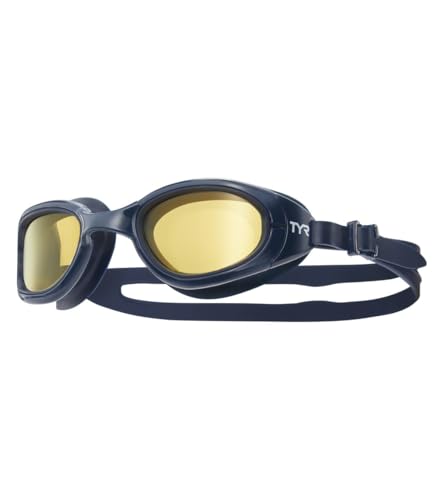
Best Beginner Swim Goggles (2026): 3 Picks That Won’t Leak
Leaky, fogged-up goggles ruin a swim faster than anything. A good pair seals without crushing your eye sockets, stays clear, and disappears once you are in the water. Here are three that nail it, from a lap-swimming staple to a wide-view pair you'll forget you're wearing.

Best Slackline Kit (2026): Wider Webbing Is Easier, and Trees Need Protecting
Two things decide whether a first session is fun or demoralising. Webbing width, because a 2-inch line is markedly more stable underfoot than a 1-inch one, and height, because a line set at knee height is something you can step off rather than fall from. Neither is about the ratchet everyone compares.

Best Beginner Quad Skates (2026): 3 Pairs for Every Budget
Quad skates (the classic four-wheel, two-by-two kind) are the friendliest way to start roller skating, and the trick is buying a real skate rather than a toy. A supportive boot, a stable plate, and decent wheels make learning feel steady instead of scary. Here are three good pairs, from a solid budget skate to a cult-favourite premium one.
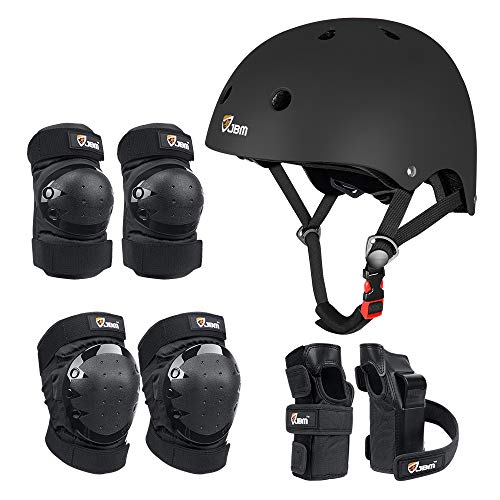
Best Skate Pads (2026): Wrists Break First
The most common serious injury in skating is a broken wrist, because falling forward is instinctive and putting your hands out is more instinctive still. Wrist guards are the piece people skip and the piece that changes outcomes most, and on every set here they are the part that determines your size.

Best Adjustable Dumbbells for Beginners (2026): 3 Picks for Every Budget
One pair of adjustable dumbbells replaces a whole rack, which is why they're the smartest first buy for a home gym in a spare room or apartment. The catch is the adjustment mechanism and the jumps between weights. Here are three that get it right, from a space-saving budget pair to a gym-grade set you'll never outgrow.

Best Power Rack for a Home Gym (2026): 3 Picks to Lift Safely Solo
A power rack (or cage) is the backbone of a home gym: it lets you squat, bench, and press heavy on your own, because the safety bars catch the barbell if a lift fails. Get this one purchase right and everything else is just plates and a bar. The things that matter are steel gauge (sturdiness), height (does it fit your ceiling), and the safeties. Here are three good ones, from a compact home rack to a heavy-duty cage.