Best Beginner Quad Skates (2026): 3 Pairs for Every Budget
Quad skates (the classic four-wheel, two-by-two kind) are the friendliest way to start roller skating, and the trick is buying a real skate rather than a toy. A supportive boot, a stable plate, and decent wheels make learning feel steady instead of scary. Here are three good pairs, from a solid budget skate to a cult-favourite premium one.
HobbyStack may earn a commission from links on this page at no extra cost to you. Our picks are chosen on merit; the commission helps fund the research.
- Start on quads (four wheels, two-by-two). They are more stable and beginner-friendly than inline skates.
- A supportive boot and a solid plate matter most. A skate that holds your ankle makes learning far less wobbly.
- Wheel hardness sets where you skate: softer wheels grip and roll better outdoors, harder wheels suit smooth indoor rinks.
- Wrist guards and a helmet are non-negotiable while you learn. Wrists take most falls.
 Chicago Premium Quad Roller SkatesA real skate on a budget$70Check price
 Our pickImpala Quad SkateThe trendy skate most beginners pick$107Check price
 Moxi Beach Bunny Roller SkatesA lively skate you grow into$149Check price
The first decision is quad versus inline, and for a beginner quads win. The wide two-by-two wheel layout is more stable at low speed, so balancing and stopping feel more natural while you find your feet. After that, the thing that separates a real skate from a toy is the boot and plate: a boot that actually supports your ankle and a solid plate underneath make the whole experience feel steady, while flimsy toy skates wobble and put you on the floor.
The other lever is wheels, and it comes down to where you skate. Softer wheels grip and roll smoothly over rougher outdoor ground, so they are more forgiving on paths and sidewalks. Harder wheels are faster and slide more, which suits smooth indoor rink floors. Many beginner skates ship with a middle-of-the-road wheel that is fine for both to start, and wheels are cheap and easy to swap later as you settle on indoor or outdoor skating.
 Best budget skate
Chicago Premium Quad Roller Skates
The value pick that clears the important bar: it is a real skate, not a toy. Chicago has made classic quads for decades, and this pair pairs a supportive boot with a stable plate and decent wheels, so learning feels steady. The components are entry level, but it rolls properly and holds up to real practice. A legitimate first skate without overpaying.
What's good
- Genuine supportive boot and stable plate
- Long-trusted classic quad brand
- Rolls well for indoor and casual outdoor
- Great value for a first skate
What's not
- Entry-level wheels and bearings
- Less refined fit than premium skates
 Best for most beginners
Impala Quad Skate
The skate most new skaters gravitate to, and it earns it. Impala pairs a genuinely supportive boot with a solid plate and smooth wheels, so it feels stable while you learn but still fun once you can roll. It is comfortable, comes in colours people love, and works well for both rink sessions and casual outdoor skating. The no-overthinking pick for most beginners.
What's good
- Supportive boot, stable and comfortable
- Smooth wheels good for indoor and outdoor
- Popular, well-liked all-rounder
- Looks great, which keeps you skating
What's not
- Costs more than budget skates
- Sizing runs specific, so check the chart
 Best to grow into
Moxi Beach Bunny Roller Skates
The skate people fall in love with. The Moxi Beach Bunny is a premium quad with a soft, comfortable boot and lively wheels tuned for smooth outdoor rolling, and it has a devoted following for good reason. It is more than a first-timer strictly needs, but the comfort and quality mean you will keep reaching for it as you improve, rather than upgrading away from it.
What's good
- Premium, comfortable boot
- Lively wheels great for outdoor skating
- Cult-favourite quality and style
- A skate you grow into, not out of
What's not
- Premium price for a first skate
- Outdoor-tuned wheels; swap for hard rink wheels indoors
Almost every beginner fall goes onto the hands, so wrist guards are the first piece of gear to buy, followed by a helmet, and knee and elbow pads. Protective gear matters most in your first weeks, when falls are frequent and low-speed. A cheap set of pads is far cheaper than a broken wrist.
Which to buy: want a real, steady skate for the least? The Chicago quads clear the bar. Want the comfortable, good-looking all-rounder most beginners are happy with? The Impala is the easy pick. Already sure you love it and want a premium skate you grow into? The Moxi Beach Bunny.
Before you buy
Choose quads over inline skates to start. The wide wheel layout is more stable while you learn.
Match wheels to where you skate: softer for outdoor paths, harder for smooth indoor rinks. Wheels are easy to swap.
Buy wrist guards, a helmet, and knee and elbow pads with the skates. Wrists take the fall.
Check the brand size chart carefully. Skate sizing often differs from your normal shoe size.
Beginner quad skate questions
Are quad skates or inline skates better for beginners?
What makes a good beginner skate versus a toy?
Should I get indoor or outdoor wheels?
What safety gear do I need for roller skating?
How do I choose the right skate size?
How long does it take to learn to roller skate?
For most beginners the Impala quad skate is the pick: a supportive, comfortable all-rounder that feels steady while you learn and stays fun after. Tight on budget? The Chicago quads are a real, steady skate for less. Already in love with it and want a premium pair to grow into? The Moxi Beach Bunny. Whatever you pick, start on quads and wear wrist guards and a helmet.
Ready to actually do it?
The first roller skating quest takes an evening, and it tells you whether the gear was worth it better than any review can.
Start Roller SkatingThe HobbyStack editorial team researches each guide against manufacturer specifications, published resources and practitioner sources. Every product is checked for availability and described against its current listing before publication, and prices are re-checked when guides are updated.
About our editorial process →More gear guides
All guides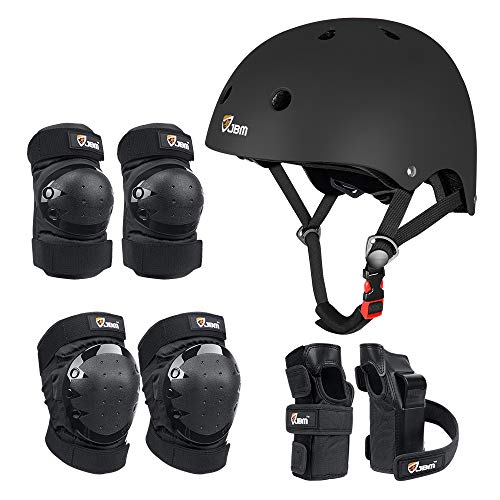
Best Skate Pads (2026): Wrists Break First
The most common serious injury in skating is a broken wrist, because falling forward is instinctive and putting your hands out is more instinctive still. Wrist guards are the piece people skip and the piece that changes outcomes most, and on every set here they are the part that determines your size.

Best Beginner Pickleball Paddle (2026): 3 Picks for Every Budget
The paddle is the one piece of gear that actually changes how you play, and the wall of look-alike options hides a few real differences that matter on day one. Here are three we'd hand a new player: a no-regrets budget pick, an all-around upgrade, and a control paddle worth growing into.

Best Pickleballs (2026): Indoor and Outdoor Are Not the Same Ball
Turning up with the wrong ball is the most common equipment mistake in pickleball, and it is invisible until you play. Outdoor balls are hard, heavy and drilled with many small holes so wind cannot push them around. Indoor balls are softer and lighter with fewer, larger holes. Play one where the other belongs and the game feels wrong for reasons nobody can name.

Best Slackline Kit (2026): Wider Webbing Is Easier, and Trees Need Protecting
Two things decide whether a first session is fun or demoralising. Webbing width, because a 2-inch line is markedly more stable underfoot than a 1-inch one, and height, because a line set at knee height is something you can step off rather than fall from. Neither is about the ratchet everyone compares.

Best Beginner Ice Skates (2026): 3 Figure Skates from First Steps to Lessons
For your first pair of figure skates, the thing that matters most is fit, not looks or the brand on the boot. A skate that is too big or too soft lets your ankle fold inward, which makes skating harder and scarier than it needs to be. All three picks here are from Jackson Ultima, the brand most learn-to-skate programs point beginners toward, and they climb a clear ladder: a recreational skate for casual outings, a proper lessons skate with real ankle support, and a comfortable step-up boot for when you are hooked and skating every week.
Best Beginner Disc Golf Set (2026): 3 Starter Packs Compared
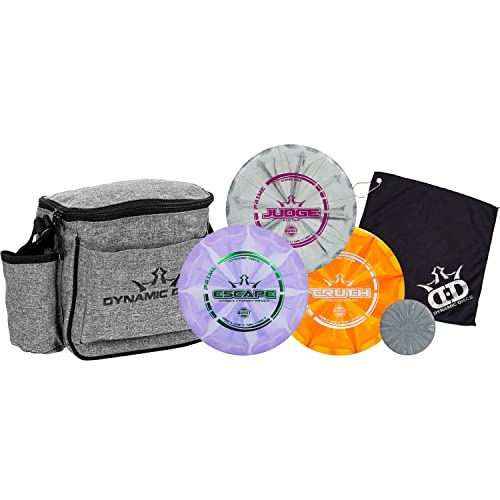
A beginner disc golf set gives you the three discs you actually need (a putter, a mid-range, and a driver) chosen to fly straight and forgiving rather than fast and hard to control. That is the whole trick as a beginner: understable, slow discs are easier to throw well than the pro-speed drivers that just fade into the ground. Here are three good sets, from a bare-bones three-pack to a fuller kit.