Best Rotary Tool for Beginners (2026): 3 Dremel Kits for Crafts and Cosplay
A rotary tool is the little handheld workhorse that sands, grinds, cuts, engraves, and polishes almost any material, which is why it is a staple for cosplay, model-making, jewelry, and general crafting. For a first one the honest advice is simple: buy a real Dremel. The cheap copies wobble, overheat, and lose power under load, while a genuine Dremel is smooth, holds its speed, and takes the huge range of accessories you will actually want. The three here climb Dremel's own lineup, from a capable entry kit to the flagship.
HobbyStack may earn a commission from links on this page at no extra cost to you. Our picks are chosen on merit; the commission helps fund the research.
- Buy a real Dremel, not a cheap copy. Genuine Dremels hold their speed under load and take the full range of accessories; the knock-offs wobble and bog down.
- Get a corded model to start. Corded rotary tools have more power and never run out of battery, which matters for sanding and cutting. Cordless is a convenience upgrade, not a beginner need.
- Variable speed matters. Different jobs and materials need different speeds, so get a tool with a proper speed dial. All three here have one.
- The kit accessories matter as much as the tool. Look at how many bits and attachments come in the box, because that is what you actually cut, sand, and grind with.
 Dremel 3100 Rotary Tool KitA capable, genuine first rotary tool$70Check price
 Our pickDremel 4000 Rotary Tool KitThe do-it-all workhorse most should buy$78Check price
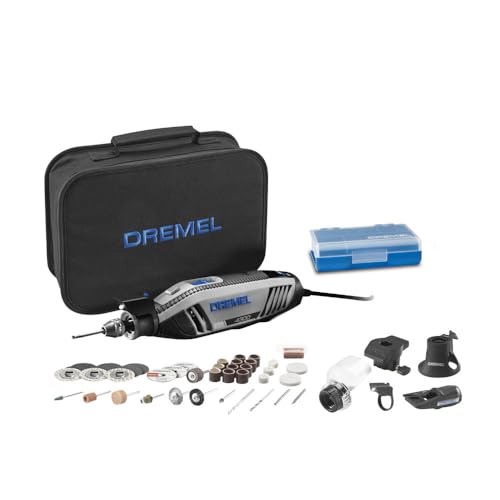 Dremel 4300 Rotary Tool Kit with LED LightThe flagship for constant, detailed use$129Check price
A rotary tool is a small motor that spins interchangeable bits at high speed, and by swapping the bit you can sand, grind, cut, carve, engrave, polish, sharpen, and drill, on materials from foam and wood to plastic, metal, and even glass. That versatility is why it is one of the most-reached-for tools in cosplay and crafting, where you are constantly shaping and finishing props, armor, and models. The reason to buy a genuine Dremel rather than a look-alike is consistency: a real Dremel keeps its speed when you press into the work, runs smoothly without wobble, and accepts the enormous range of Dremel bits and attachments, so you are never stuck. The cheap copies feel fine for thirty seconds and then bog down, overheat, or rattle, which is exactly when detailed work goes wrong.
All three picks are corded, variable-speed Dremels, which is what a beginner wants: plenty of power, no batteries to die mid-cut, and a speed dial to match the job. The difference between them is motor power, features, and how many accessories come in the box. The 3100 is the capable entry kit that handles the vast majority of craft tasks. The 4000 steps up to a stronger motor with a slimmer, more comfortable body, and it is the workhorse most people should buy. The 4300 is the flagship: the most powerful motor, a built-in LED light for seeing detail, and a tool-less system that lets you change accessories without hunting for the little wrench. If you know you will use it constantly, the 4300 is worth it; if you are unsure how much you will reach for it, the 4000 is the smart middle.
 Best budget rotary tool
Dremel 3100 Rotary Tool Kit
The most affordable way into a genuine Dremel, and plenty of tool for most beginners. The 3100 has a 1.2-amp variable-speed motor that handles the great majority of craft and cosplay jobs, sanding, grinding, cutting, engraving, and polishing, and it comes as a kit with attachments and 60 accessories, so you can start working straight away rather than buying bits one at a time. It is a genuine Dremel, which means it runs smoothly and takes the entire range of Dremel accessories as you grow. It is not the most powerful, and the body is a little chunkier than the pricier models, but for a first rotary tool that will not let you down, it is a lot of honest capability for the money.
What's good
- A genuine Dremel at the lowest price
- Variable speed for different jobs and materials
- Comes with 60 accessories, ready to use
- Takes the full range of Dremel bits and attachments
What's not
- Less powerful than the 4000 and 4300
- Chunkier body, and no LED light
 Best for most people
Dremel 4000 Rotary Tool Kit
The rotary tool most people should buy. The 4000 steps up to a 1.6-amp motor, noticeably more powerful than the 3100, which means it holds its speed better when you lean into tougher grinding, cutting, or sanding, exactly where a weaker tool bogs down. It also has a slimmer, more ergonomic body with a 360-degree grip that is more comfortable through the long detailing sessions cosplay and modeling involve. It comes with attachments and 32 accessories, and like every Dremel it accepts the full accessory range. It costs a bit more than the 3100, and the flagship 4300 adds a few nice extras on top, but for the balance of power, comfort, and price, the 4000 is the sweet spot.
What's good
- Stronger 1.6-amp motor holds speed under load
- Slimmer, more comfortable body for long sessions
- Takes the full range of Dremel accessories
- The best balance of power and price
What's not
- A little more than the entry 3100
- No LED light or tool-less accessory change
 Best to grow into
Dremel 4300 Rotary Tool Kit with LED Light
The rotary tool for someone who knows they will use it constantly. The 4300 has Dremel's most powerful motor, so it barely notices tougher work, and it adds two things you appreciate every session: a built-in LED light that shines right where the bit meets the work, a real help for the fine detail cosplay and modeling demand, and a tool-less accessory system that lets you swap bits without hunting for the little wrench. It comes with 5 attachments and 40 accessories and runs from 5,000 to 35,000 RPM with electronic feedback that keeps the speed steady under load. It is the priciest here and more tool than an occasional crafter needs, but if a rotary tool is central to your hobby, it is the one you buy once.
What's good
- Most powerful Dremel motor, steady under load
- Built-in LED light for seeing fine detail
- Tool-less accessory changes, no wrench needed
- 5 attachments and 40 accessories in the kit
What's not
- The priciest of the three
- More tool than an occasional crafter needs
If there is one accessory to add after the tool itself, it is a flex-shaft attachment. It is a flexible 36-inch cable that puts the spinning bit on the end of a slim, pen-like handpiece, so instead of maneuvering the whole motor you hold something the size of a thick pen. For the fine, controlled work that cosplay, jewelry, and models involve, it transforms how the tool feels in your hand. It fits all three Dremels here, and some larger 4300 kits include one in the box.
Which to buy: want a genuine Dremel for the least, that handles almost everything? The 3100. Want the stronger, comfier workhorse most people should own? The 4000. Want the flagship with an LED light and no-wrench bit changes for constant, detailed use? The 4300.
Before you buy
Wear eye protection. Rotary tools throw off bits of material and the occasional broken accessory, so safety glasses are not optional.
Let the tool do the work. Use the right speed and light pressure; forcing it overheats the bit and the motor and ruins the cut.
Buy a variety accessory pack. Cutting, sanding, and grinding bits wear out, and a mixed pack is cheap and keeps you working.
Consider a flex-shaft attachment for detailed cosplay or jewelry work. It is the upgrade you will feel the most.
The search results are full of rotary tools that look just like a Dremel for half the price, and it is tempting. The problem shows up under load: the cheap motors lose speed and overheat when you actually press into grinding or cutting, the collets and chucks are often less true so bits wobble, and accessory fitment can be hit or miss. For light, occasional use they can be fine, but if you are relying on the tool for detailed work, a genuine Dremel is smoother, more powerful where it counts, and backed by the accessory range you will keep reaching for.
Beginner rotary tool questions
What can you actually do with a rotary tool?
Corded or cordless for a beginner?
Which Dremel should a beginner buy?
Is a real Dremel worth it over a cheap copy?
What is a flex shaft and do I need one?
What accessories do I need to start?
For most people the Dremel 4000 is the pick: a stronger motor that holds its speed under load, a comfortable slim body for long detailing sessions, and the full Dremel accessory range behind it. Want a genuine Dremel for the least that still handles almost everything? The 3100. Want the flagship with an LED light and no-wrench bit changes for constant, detailed work? The 4300. Whichever you choose, buy a real Dremel rather than a look-alike, add a variety pack of bits, and consider a flex-shaft attachment, which is the upgrade you will feel the most.
Ready to actually do it?
The first cosplay quest takes an evening, and it tells you whether the gear was worth it better than any review can.
Start CosplayThe HobbyStack editorial team researches each guide against manufacturer specifications, published resources and practitioner sources. Every product is checked for availability and described against its current listing before publication, and prices are re-checked when guides are updated.
About our editorial process →More gear guides
All guides
Best Hot Glue Gun for Cosplay (2026): High Temperature Melts EVA Foam
Most buying guides assume the most powerful option is the best one. Cosplay inverts that. EVA foam, the material most armour is built from, deforms and melts at the temperature an industrial glue gun runs at, so the 220 watt professional gun is the wrong tool for the job people most often buy it for.

Best Voice Recorder for Actors (2026): Hearing Yourself Is the Whole Point
Actors improve fastest by hearing themselves, because the performance you feel giving is not the performance that arrives. A recorder makes that gap visible — the rushed line, the dropped ending, the habit you did not know you had. What surprises most people is that the room you record in matters more to the result than the device you record with.
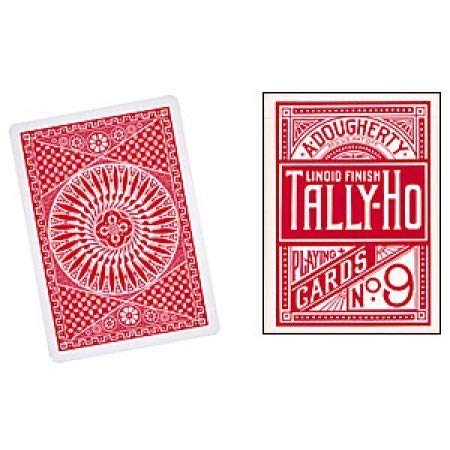
Best Playing Cards for Card Magic (2026): 3 Honest Picks
Here is the honest truth most gear guides skip: a standard deck of Bicycle cards, the kind you can buy for about four dollars at any supermarket, is genuinely all you need to learn almost every card trick worth knowing. Nearly every card magician alive learned on exactly that deck, and most still perform with it. The sleights, the moves, the classics in every beginner book all assume an ordinary deck of cards, not a special one. So this is not a guide about buying your way to better magic, because you cannot, the skill is entirely in your hands. It is a guide to three good decks and the honest, small differences between them: a cheap standard Bicycle to start and stick with, a classic magician's paper deck that fans and springs a touch more smoothly once your hands know what they are doing, and a premium deck that feels lovely and looks the part but does nothing your first deck cannot. One thing up front: these are all real decks you also just play cards with, not gimmick or trick decks. You do not need those to learn card magic. Here are three good ones, and honest advice on whether to bother going past the first.

Best DJ Controller for Beginners (2026): Mix Out of the Box
A DJ controller is an all-in-one setup, two decks, a mixer, and a sound card in one unit, that plugs into your laptop and lets you actually mix out of the box with the included software. For a beginner the key thing is that it works with pro software (rekordbox or Serato) so your skills carry over to club gear. Here are three good ones, from a learning-focused controller to a 4-channel step up.
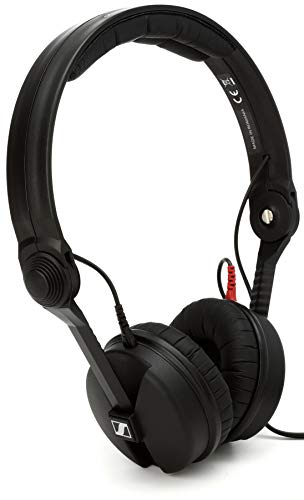
Best DJ Headphones (2026): Loud Rooms, One Ear, and a Cable That Survives
DJ headphones are not judged the way listening headphones are. You are cueing a track against a loud room, usually with one ear on and one off, often with the headphones half-hanging off your head, and the pair that wins is the one that isolates well and does not break at the cable. Sound quality matters less than either of those.

Best Powered Speakers for DJing (2026): 3 Picks for Beginners
Powered speakers (also called active speakers) are the simplest way to actually hear your mixes out loud: the amplifier is built into the cabinet, so you just plug your controller in and go, with no separate amp to buy or match. For a beginner DJ the things that matter are whether it is active, the size (12 or 15 inch), and the wattage, and the honest truth is you want two of them for proper stereo sound. Here are three good ones, from an affordable Mackie to a QSC that is a genuine industry standard.