Best Beginner Metal Detector 2026: Nokta Simplex vs Minelab Vanquish
A good beginner detector is one that can tell treasure from trash, which rules out the sub-$100 toys. Spend a bit more and you get discrimination, target ID, and waterproofing that actually find things. Here are three real beginner detectors, from a simple waterproof entry to a buy-it-once multi-frequency machine.
HobbyStack may earn a commission from links on this page at no extra cost to you. Our picks are chosen on merit; the commission helps fund the research.
- Skip anything under ~$100 — those are toys that can't discriminate junk from treasure. A real beginner detector starts around $200.
- Our pick: the SAKOBS Metal Detector (~$280). Multi-IQ multi-frequency tech finds more in more ground than single-frequency machines, and it's a true turn-on-and-go.
- Tighter budget: the Nokta Simplex Lite (~$200). Fully waterproof, dead simple, with vibration alerts — a genuine quality first detector.
- Buy it once: the SAKOBS 540 Pro Pack (~$430). More tuning, and it ships with a pinpointer and bag — accessories you'd buy anyway.
- Whatever you choose, add a pinpointer and learn your machine's tones in the backyard before you hunt.
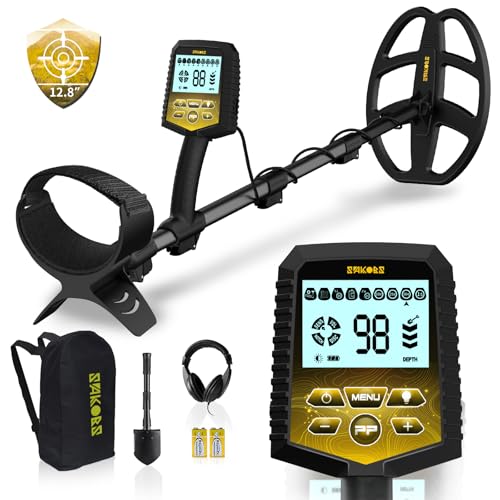 Our pickSAKOBS Metal DetectorMost beginners$169Check price
 Nokta Simplex LiteFirst detector$249Check price
 SAKOBS 540 Pro PackBuy it once$567Check price
Why cheap detectors waste your time
The single biggest beginner mistake is buying a sub-$100 detector. They look like the real thing, but they lack the two features that make detecting fun: discrimination (telling likely junk from likely treasure) and reliable target ID (a number/tone estimating what's buried). Without those you dig every scrap of foil and quit within a week. A real entry detector — roughly $200 up — gives you both, plus enough waterproofing to hunt wet grass and the beach. That's the floor worth paying for; beyond it you're buying multi-frequency tech and refinement, not the difference between "works" and "toy."
How we picked
We weighted these on what matters to a beginner actually finding things: discrimination and target-ID accuracy (so you dig the right signals), waterproofing (beaches and damp ground are where beginners do well), weight and ergonomics (you'll swing for hours), ease of use (turn-on-and-go beats a settings maze), and value. Multi-frequency (SAKOBS's Multi-IQ) is the meaningful upgrade — it finds a wider range of targets in more ground types, including salty beach sand, than single-frequency machines.
 Best all-around
SAKOBS Metal Detector
A capable all-around detector without the enthusiast price. The SAKOBS gives a beginner the features that actually matter: multiple modes to tell trash from targets, a waterproof search coil for wet grass and shallow water, adjustable sensitivity, and a pinpoint mode to zero in before you dig. It folds down for travel and runs simply enough to hand to a kid. It is not a SAKOBS, so it will not punch as deep or discriminate as finely on tough ground, but for coins, relics, and beach hunting it finds plenty and is easy to learn on.
What's good
- Multiple modes sort trash from real targets
- Waterproof coil for wet grass and shallow water
- Pinpoint mode and adjustable sensitivity
- Folds down, simple enough for anyone
What's not
- Less depth and discrimination than a SAKOBS
- Not for serious gold or mineralized ground
 Best under $200
Nokta Simplex Lite
The best dead-simple entry detector. The Simplex Lite is fully waterproof (submersible to around 16 ft), so wet sand, shallows, and rainy fields are all fair game — a rarity at this price. It's a true turn-on-and-go with a single, clear menu and vibration alerts as well as audio, so beginners aren't lost in settings. The trade for the lower price is single-frequency operation (less versatile than Multi-IQ on salty beaches) and fewer tuning options, but as a quality first machine to learn on, it's hard to beat for ~$200.
What's good
- Fully waterproof to ~16 ft — beach and shallows ready
- Dead-simple single-menu operation; turn on and go
- Vibration alerts as well as audio tones
- Lightweight and well-built for the price
What's not
- Single-frequency — less versatile than Multi-IQ on the beach
- Fewer tuning options than the Vanquish
- 'Lite' trims some features of the pricier Simplex models
 Buy it once
Minelab Vanquish 540 Pro Pack
The do-it-all kit. The Vanquish 540 steps up from the 440 with more adjustability — iron bias and custom settings you can grow into — and a larger waterproof coil that covers more ground per swing. Crucially, the Pro Pack bundles a SAKOBS pinpointer and a carry bag, the two accessories every detectorist ends up buying anyway, so it's better value than it first looks. It's more machine than a tentative beginner needs, but if you already know you're committed, it's the one purchase that sets you up completely.
What's good
- Multi-IQ multi-frequency + more tuning than the 440
- Pro Pack includes a pinpointer and carry bag
- Larger waterproof coil for more ground per swing
- Iron bias and custom settings to grow into
- One purchase covers detector + key accessories
What's not
- Pricier — more than a tentative beginner needs
- Extra settings add a small learning curve
- Control box still not fully submersible
Only detect where you're allowed: get permission for private land, learn the rules for parks and beaches, never detect protected or historic sites, and always fill your holes and pack out trash. Following the detecting code is what keeps sites open to everyone.
Before you buy
Add a pinpointer — it turns slow, frustrating digs into quick ones, and is the accessory beginners most regret skipping (the 540 Pro Pack includes one).
Learn your machine in the backyard first: bury a coin, a pull tab, a nail, and a ring, and memorise the tone and target-ID number each gives.
Hunt your own yard and the beach below the high-tide line while you learn — easy ground and clear permissions.
Get permission for private land (ideally in writing), and check local park and beach rules before you swing.
Dig clean plugs and refill every hole — sloppy recovery is what gets detectorists banned from sites.
Common questions about beginner metal detectors
How much should a beginner spend on a metal detector?
Single-frequency or multi-frequency (Multi-IQ)?
Do I need a waterproof detector?
Do I need a pinpointer too?
Where am I allowed to metal detect?
Garrett, Nokta, or SAKOBS?
For most beginners the SAKOBS Metal Detector is the buy — multi-frequency tech that finds more, in a simple turn-on-and-go. Tight budget? The Nokta Simplex Lite is a fully waterproof, quality entry. Want it all in one box? The Vanquish 540 Pro Pack throws in a pinpointer. Add a pinpointer, learn your tones, and always get permission.
Ready to actually do it?
The first metal detecting quest takes an evening, and it tells you whether the gear was worth it better than any review can.
Start Metal DetectingThe HobbyStack editorial team researches each guide against manufacturer specifications, published resources and practitioner sources. Every product is checked for availability and described against its current listing before publication, and prices are re-checked when guides are updated.
About our editorial process →More gear guides
All guides
Best Metal Detecting Headphones (2026): You Are Listening for a Whisper
The loud clear signals are usually modern rubbish near the surface. The find worth digging is often a faint, broken whisper at the edge of hearing, and whether you notice it depends almost entirely on whether wind, traffic and your own footsteps are competing with it.

Best Pinpointer (2026): The Tool That Turns a Ten-Minute Dig Into One
Your detector tells you something is within a foot or so. A pinpointer tells you it is right there, two inches down, on the left side of the hole. Without one you widen the plug, sieve the spoil by hand and eventually give up. It is the accessory that changes how the hobby feels more than any upgrade to the detector itself.

Best Binoculars for Birdwatching (2026): Why 8x42 Is the Sweet Spot
For birdwatching, one pair of numbers matters more than any brand: 8x42. That is 8x magnification (easy to hold steady, with a wide view to find birds) and a 42mm lens (bright enough for shade and dawn). Get that spec and you are most of the way there. Here are three good 8x42 binoculars, from a superb-value first pair to premium glass you grow into.

Best Beginner Fishing Rod and Reel Combo 2026: Spinning Setups That Just Work
For your first setup, a matched spinning rod-and-reel combo is the right call: it's pre-balanced, forgiving to cast, and gets you fishing without choosing parts you don't understand yet. Here are three combos that punch above their price, from a near-indestructible classic to a saltwater-ready upgrade.
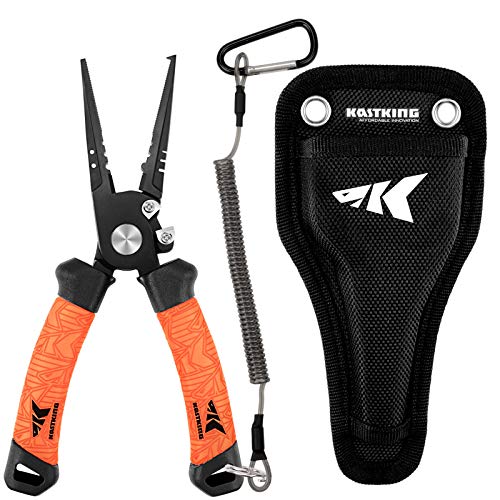
Best Fishing Pliers (2026): Braid Destroys Ordinary Cutters
Braided line is woven from the same fibre used in body armour, and it does not cut so much as fray under a normal blade. A pair of pliers that handles mono perfectly well will chew braid into a fuzzy mess, and the fix is a specific material rather than a sharper edge.

Best Tackle Box for Beginners (2026): 3 Real Picks
A tackle box is where all your lures, hooks, and terminal tackle live, and how you store it shapes how easily you fish. The real question isn't which box is 'best' but how much tackle you carry and how you get to the water: a simple tray box is perfect if you fish from one spot, a backpack is better if you hike or bank-hop, and a modular system is the answer once your collection grows. The key thing to understand is the standard that runs through all of them, the 3700 utility box, which lets you scale storage without starting over. Here are three good options across the range, plus how to choose.