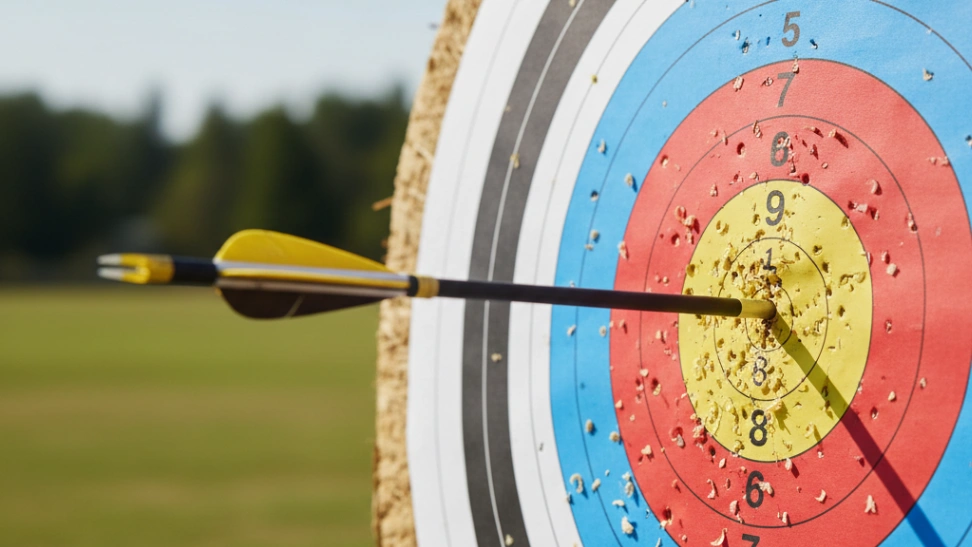
Best Beginner Recurve Bow 2026: Samick Sage vs PSE Razorback vs Bear Grizzly
Takedown recurves are the right beginner archery purchase: swappable limbs grow with your strength, the skills build fundamental archery technique, and the picks here have been the standard for years.
HobbyStack may earn a commission from links on this page at no extra cost to you. Our picks are chosen on merit; the commission helps fund the research.
- Buy a takedown recurve (swappable limbs), not a one-piece. Your draw weight will go up as you build archery muscles — takedown bows let you upgrade limbs without buying a whole new bow.
- Our pick: the Samick Sage 62" Takedown (~$175). The undisputed beginner recurve since 2018, recommended by every archery instructor and forum. Hardwood riser, brass bushings for sights/stabilizers, swappable limbs from 25-60 lbs.
- Tighter budget: Sanlida Noble Takedown 62" 20# (~$120). Real PSE quality at the entry price. Lifetime entry-level bow.
- Lifetime buy: Bear Archery Grizzly Recurve 58" (~$600). Legendary American traditional bow maker. Beautiful finish, holds value, the bow you keep as primary or backup forever.
- Skip: anything sub-$80 (cheap fiberglass, bow strings snap, limbs warp); compound bows as a first bow (more complicated to tune, less of a 'pure' archery experience); kid-marketed bows for adults (toy build quality).
 Our pickSamick Sage Takedown Recurve 62" (25-60# limbs)Most beginners$150Check price
 Sanlida Noble Takedown RecurveTrying it cheap$100Check price
 Bear Archery Grizzly Recurve 60"Going deep$500Check price
Why takedown recurves are the right beginner choice
Traditional archery has three bow categories: compound (modern, mechanical, common in hunting), recurve (the Olympic bow, traditional but high-tech), and longbow (the simplest, most traditional, hardest to shoot accurately).
For a first bow, takedown recurve is the right answer — and the "takedown" part matters more than people realize.
A takedown recurve is a bow where the limbs (the curved parts) unbolt from the riser (the center handle). You can swap limbs to change draw weight. This matters because your draw weight will go up as you build archery muscles: most beginners start at 20-25 lbs, then move to 30-35 lbs within 6 months, then 40 lbs within a year. With a takedown, you buy heavier limbs ($60-100) instead of buying a whole new bow ($150-200).
The brand consensus is even stronger here than in most hobbies. The Samick Sage has been the #1 beginner takedown recurve since 2018, recommended by every major archery publication, every archery club, every YouTube instructor. The Sage works. It's affordable, it lasts, parts are easily available, and it's been the standard so long that any archery shop can service it.
What's not the right beginner choice: compound bows (great for hunting, but tuning them is a separate skill and the experience feels more like operating a machine than shooting a bow); longbows (purest traditional experience, but the hardest to shoot accurately — masochist territory for a beginner); Olympic recurves (highly tunable, requires sight + stabilizer + clicker setups that beginners struggle with).
 Our top pick
Samick Sage Takedown Recurve 62" (25-60# limbs)
The Samick Sage has held the #1 spot for beginner recurves since 2018 across every major archery publication (Outdoor Life, Lancaster Archery, every archery YouTube channel). Hardwood laminated riser provides the right balance of weight and stiffness. Pre-installed brass bushings let you mount sights, stabilizers, plungers, and clickers if you want to add them later. Swappable limbs in the 25-60 lb range mean one bow lasts your entire learning journey from beginner to intermediate. The bow most archery clubs recommend as the first purchase — and the bow most intermediate archers keep as their backup even after upgrading. Available right-hand and left-hand.
What's good
- The consensus #1 beginner recurve since 2018 — most-recommended bow in the hobby
- Takedown design with swappable limbs in 5-lb increments from 25-60 lbs
- Brass bushings for adding sights, stabilizers, and accessories later
- Hardwood laminated riser balances weight and forgiveness
- Lifetime availability — every archery shop can service and find parts
What's not
- Aesthetic is functional, not beautiful — looks like a learning bow (because it is)
- Heavier than premium recurves at the same draw weight
- Limb tips can be slightly rough — many archers sand and refinish
 Best under $120
Sanlida Noble Takedown Recurve
A complete beginner recurve that comes ready to shoot. The Sanlida Noble is a takedown recurve, meaning the limbs unbolt from the riser for easy transport and, later, for stepping up to heavier limbs as you get stronger, and it arrives as a kit with arrows and the basics so you can start on day one. The forgiving draw and standard fittings make it easy to learn good form on, and the takedown design means the bow grows with you rather than being outgrown. A genuine, affordable first bow.
What's good
- Takedown design: easy transport, swappable limbs
- Comes as a kit with arrows and basics
- Forgiving to learn good form on
- Grows with you as you get stronger
What's not
- Entry limbs, upgrade for more draw weight later
- Basic accessories versus a custom setup
 Lifetime bow
Bear Archery Grizzly Recurve 60"
Bear Archery is the legendary American traditional bow maker. Fred Bear started the company in 1933 and Bear bows are part of American bowhunting history. The Grizzly is their hunting-target hybrid recurve — beautiful finish, premium construction, durable for decades of use. 58 inches is slightly shorter than the Samick Sage (62 inches), making it more maneuverable for hunting and woods use. Pricier than functional needs require for a beginner, but the bow you keep forever — your grandkids will inherit it. Worth the price if you know archery is going to be a long-term part of your life.
What's good
- Bear Archery — one of the most-respected names in American traditional archery
- Beautiful finish that holds up for decades
- Holds value extremely well — Bear bows from the 60s and 70s still sell premium prices
- 58-inch length is more maneuverable for woods/hunting use
- Lifetime construction — passed down for generations
What's not
- $600 is real money for a first bow if you're unsure you'll stick with archery
- Not a takedown — fixed draw weight, can't swap limbs as you build strength
- Best for hunters and traditional archers — overkill for casual target shooting
- Slower learning curve than a takedown (you commit to one draw weight)
The #1 archery quality-of-life upgrade after your first bow is one or two coaching sessions. Most archery clubs offer beginner classes for $30-50. A coach watches you draw, identifies form problems (anchor point, release, follow-through) that are invisible from your own perspective, and saves you 6+ months of trying to fix problems by reading YouTube comments. Find local clubs through USA Archery's coach finder or a Google search for 'archery range near me'.
How to choose between the three
Pick the Samick Sage if you're not sure how far you'll take archery. It's the safest, most-recommended, most-supported bow in the beginner price range. Takedown design + swappable limbs means it stays with you through your strength progression.
Pick the Sanlida Noble if budget is firm under $150 — and you're OK accepting fewer support resources than the Sage. Real bow, real PSE warranty, but smaller community for tips and used parts.
Pick the Bear Grizzly if you know archery is a 10+ year commitment, you'd rather buy a beautiful lifetime bow than a learning bow, and the fixed draw weight isn't an issue (or you'll commit to building enough strength to handle it).
Whichever you pick: start at 20-25 lb draw weight, not higher. Heavier draw weights look impressive but ruin your form. Build muscle for 6 months, then move up to 30-35 lbs, then to whatever weight you want long-term. Almost every quit-the-hobby story I've heard starts with "I bought a 50-lb bow as my first bow."
Before you buy
Confirm your eye dominance. Most people are right-eye dominant and shoot right-handed bows. Some right-handers are left-eye dominant and should shoot left-handed bows. Test: make a triangle with your hands, look through it at a distant object with both eyes, slowly bring it to your face — it'll naturally end up in front of your dominant eye.
Don't buy a 40-lb bow as your first bow. Even strong adults should start at 20-25 lbs. Form is more important than power. You can always swap to heavier limbs in 3-6 months.
Budget for arrows separately. Real arrows cost $50-100 for a dozen. Cheap fiberglass arrows are fine for your first month but you'll outgrow them fast — they're not as accurate as carbon, and the spine (stiffness) usually doesn't match your draw weight.
Get a bow stringer ($8-15) at the same time. Stringing a recurve without a stringer twists the limbs and can permanently warp them. Non-negotiable — order one with the bow.
Plan for joining a club ($100-200/year). Archery ranges are expensive to set up at home. Club membership gives you a real range, coaches, and other archers to learn from. Find one before buying the bow.
Common questions about beginner recurve bows
Recurve vs compound vs longbow — which should I start with?
What draw weight should I start with?
Right-hand or left-hand — which do I need?
Do I need sights, stabilizers, and a clicker for a beginner bow?
Can I shoot a recurve indoors / in my backyard?
How long until I can hit the target consistently?
For most people, the Samick Sage Takedown Recurve 62" (25-60# limbs) is the buy — the best balance of price, quality, and longevity. Want to spend less? The Sanlida Noble Takedown Recurve gets you started for a fraction of the cost. Ready to go deeper? The Bear Archery Grizzly Recurve 60" is the upgrade.
Ready to actually do it?
The first archery quest takes an evening, and it tells you whether the gear was worth it better than any review can.
Start ArcheryThe HobbyStack editorial team researches each guide against manufacturer specifications, published resources and practitioner sources. Every product is checked for availability and described against its current listing before publication, and prices are re-checked when guides are updated.
About our editorial process →More gear guides
All guides
Best Archery Finger Tab or Glove (2026): The Release Is the Shot
Everything you do before the release can be perfect and the arrow will still go wide if the string rolls off your fingertips rather than leaving cleanly. Finger protection is not mainly about comfort. It is about giving the string one consistent surface to leave from, every single time.

Best Arrows for Beginners (2026): 3 Real Picks
Arrows matter more than beginners expect: the wrong arrows fly badly no matter how good your form, and the single most important thing is not the brand but matching the arrow to your bow. Arrows have a 'spine' (stiffness) and a length that must suit your draw length and your bow's draw weight, or they'll wobble and scatter. Carbon is the right material for almost every beginner (durable and consistent), and you buy them by the dozen because you will lose and break some. Here are three good sets across the range, plus how to get the spine and length right.

Best Golf Balls for Beginners: Soft, Straight, and Cheap to Lose
Beginners lose a lot of golf balls: so the best beginner ball is soft, straight, and inexpensive, not the $55-a-dozen tour ball the pros play. Here is what to put in your bag, how we chose, and what to expect.

Best Beginner Golf Club Sets: Complete Boxed Sets That Won’t Hold You Back
A complete boxed set is the smartest first golf purchase there is: every club you need, built to forgive the mishits beginners actually make, for far less than buying clubs one at a time. Here are the three sets worth your money, how we chose them, and what to expect.

Best Golf Bags for Beginners: Carry, Stand, and Cart
Your starter set probably came with a bag, but it’s often heavy and basic. If you walk the course, a lighter stand bag transforms the round. Here are three, how we chose them, and what to expect.

Best Golf Gloves for Beginners: Fit, Material, and Which Hand
A glove is the cheapest piece of golf gear that helps every single swing: better grip, fewer blisters. Worn on your lead hand only. Here are three worth pulling on, how we chose them, and what to expect.