Best Beginner Riding Helmet (2026): 3 Certified Picks for Every Budget
A riding helmet is the one piece of gear you should never cut corners on, because it is the difference between a fall you walk away from and one you do not. The rule is simple: buy a helmet certified to the ASTM/SEI equestrian standard, brand new, that fits snugly. Here are three that do it right, from a trusted schooling helmet to a premium ventilated one.
HobbyStack may earn a commission from links on this page at no extra cost to you. Our picks are chosen on merit; the commission helps fund the research.
- Only buy a helmet certified to the equestrian standard (ASTM F1163 / SEI). A bike or skate helmet is not a substitute.
- Buy new, never used. A helmet that has taken a fall (even one you cannot see) may no longer protect you.
- Fit is everything: snug all around, level on your head, no rocking or pressure points.
- Replace your helmet after any fall or hard knock, and every few years regardless.
 Troxel Spirit Riding HelmetA trusted certified helmet for the least$56Check price
 Our pickTroxel Spirit with MIPSThe added-safety pick most riders should buy$106Check price
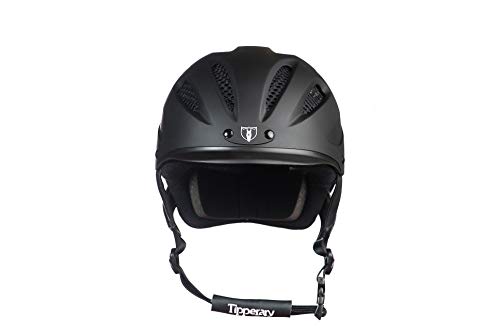 Tipperary Sportage Riding HelmetA cooler, lighter helmet you grow into$124Check price
Riding is the one hobby where the first purchase is a safety decision, not a comfort one. Horses are big, fast, and unpredictable, and a fall from height onto hard ground is exactly what a riding helmet is built for. The non-negotiable is certification: look for ASTM F1163 with SEI certification (the equestrian standard). A bike, ski, or skate helmet is designed for different impacts and does not protect you the same way, so it is not a substitute, no matter how similar it looks.
Two more rules matter as much as the helmet you pick. First, buy new: a used helmet may have taken an impact you cannot see, and once the protective foam has been compressed it no longer works, so a secondhand bargain is a false economy. Second, fit: the helmet should sit level on your head, feel snug all the way around with no pressure points, and not rock forward, back, or side to side when you shake your head. Some helmets now add MIPS, a low-friction layer that helps with the rotational forces common in real falls.
 Best budget helmet
Troxel Spirit Riding Helmet
The classic first helmet, and a genuinely safe one. Troxel is the go-to name in schooling helmets, and the Spirit is ASTM/SEI certified with a low-profile, full-coverage shell and an adjustable fit that adapts to a range of head shapes. It is affordable without compromising on the thing that matters (certification), which makes it the sensible starting point for any new rider.
What's good
- ASTM/SEI certified for riding
- Full-coverage, adjustable fit
- Trusted, widely used schooling brand
- Affordable without cutting safety
What's not
- No MIPS on the base version
- Fewer vents than premium helmets
 Best for most beginners
Troxel Spirit with MIPS
The same trusted, certified helmet with a meaningful safety upgrade. MIPS adds a low-friction layer inside the helmet that helps manage the rotational forces that happen in most real falls (when you hit the ground at an angle, not straight on). For a modest step up in price you get that extra protection on top of the ASTM/SEI certification and adjustable fit. The no-overthinking pick for a new rider.
What's good
- ASTM/SEI certified plus MIPS
- Better protection against angled impacts
- Same adjustable, snug fit
- Small price step for real added safety
What's not
- Costs more than the base Spirit
- Still a schooling-level vent design
 Best to grow into
Tipperary Sportage Riding Helmet
The helmet you will actually want to wear for long rides. Tipperary is known for lightweight, well-ventilated helmets, and the Sportage keeps your head cool and comfortable through hot schooling sessions while staying certified and secure. It is more than a first lesson strictly needs, but if you already know you will be riding regularly, the comfort and airflow make it a helmet you reach for happily.
What's good
- Lightweight and well ventilated
- Comfortable for long sessions
- Certified and secure
- A helmet you keep wearing as you ride more
What's not
- Premium price
- More helmet than a first lesson requires
Two hard rules for a riding helmet: it must be certified to the equestrian standard (ASTM F1163 / SEI), and it must be new. A bike or skate helmet is built for different impacts and is not a substitute. A used helmet may have hidden damage from a past fall, and compressed foam no longer protects. Replace yours after any fall, no matter how minor it felt.
Which to buy: want a genuinely safe, certified helmet for the least? The Troxel Spirit is the trusted choice. Want that same helmet with the extra protection of MIPS for angled falls? The Spirit with MIPS is the easy pick for most riders. Riding regularly and want a lighter, cooler helmet? The Tipperary Sportage.
Before you buy
Check for the ASTM F1163 / SEI certification label before anything else. No certification, no purchase.
Fit it properly: level on your head, snug all around, no rocking when you shake your head.
Buy new. A used helmet may have invisible impact damage that has ruined its protection.
Replace after any fall or hard knock, and every three to five years even without one.
Riding helmet questions
Can I use a bike helmet for horse riding?
Is it safe to buy a used riding helmet?
What does ASTM/SEI certification mean?
How should a riding helmet fit?
What is MIPS and do I need it?
How often should I replace my riding helmet?
For most new riders the Troxel Spirit with MIPS is the pick: a trusted, ASTM/SEI-certified helmet with added protection for the angled falls that actually happen, at a fair price. Want certified safety for less? The base Troxel Spirit. Riding regularly and want lighter and cooler? The Tipperary Sportage. Whatever you choose, it must be certified and new, and fit snugly.
Ready to actually do it?
The first horseback riding quest takes an evening, and it tells you whether the gear was worth it better than any review can.
Start Horseback RidingThe HobbyStack editorial team researches each guide against manufacturer specifications, published resources and practitioner sources. Every product is checked for availability and described against its current listing before publication, and prices are re-checked when guides are updated.
About our editorial process →More gear guides
All guides
Best Dog Agility Jumps (2026): Height Comes From the Dog, Not the Box
Jump height is set by the dog, measured at the withers, and every competitive class in every organisation works that way. Guessing it is not a minor error: a dog repeatedly jumping above its class height takes impact through shoulders and spine that it has no way of telling you about.

Best Golf Balls for Beginners: Soft, Straight, and Cheap to Lose
Beginners lose a lot of golf balls: so the best beginner ball is soft, straight, and inexpensive, not the $55-a-dozen tour ball the pros play. Here is what to put in your bag, how we chose, and what to expect.

Best Beginner Golf Club Sets: Complete Boxed Sets That Won’t Hold You Back
A complete boxed set is the smartest first golf purchase there is: every club you need, built to forgive the mishits beginners actually make, for far less than buying clubs one at a time. Here are the three sets worth your money, how we chose them, and what to expect.

Best Golf Bags for Beginners: Carry, Stand, and Cart
Your starter set probably came with a bag, but it’s often heavy and basic. If you walk the course, a lighter stand bag transforms the round. Here are three, how we chose them, and what to expect.

Best Golf Gloves for Beginners: Fit, Material, and Which Hand
A glove is the cheapest piece of golf gear that helps every single swing: better grip, fewer blisters. Worn on your lead hand only. Here are three worth pulling on, how we chose them, and what to expect.

Best Golf Rangefinders for Beginners
A rangefinder gives you the exact yardage to the flag, which speeds up play and sharpens your club selection once you know your distances. It’s a luxury, not a necessity, but a good-value one delivers most of a premium model’s usefulness. Here are three, how we chose them, and what to expect.