Best Powered Speakers for DJing (2026): 3 Picks for Beginners
Powered speakers (also called active speakers) are the simplest way to actually hear your mixes out loud: the amplifier is built into the cabinet, so you just plug your controller in and go, with no separate amp to buy or match. For a beginner DJ the things that matter are whether it is active, the size (12 or 15 inch), and the wattage, and the honest truth is you want two of them for proper stereo sound. Here are three good ones, from an affordable Mackie to a QSC that is a genuine industry standard.
HobbyStack may earn a commission from links on this page at no extra cost to you. Our picks are chosen on merit; the commission helps fund the research.
- Powered (active) speakers have the amplifier built in, so you just plug your controller in and play. Passive speakers need a separate amp, which is more to buy, match, and carry.
- Size is mostly about the room: a 12 inch is lighter and punchy enough for parties and small rooms, a 15 inch moves more air and low end for bigger spaces.
- Watts give a rough sense of loudness and headroom, but the peak numbers are marketing-inflated, so compare like with like and do not chase the biggest figure.
- Speakers are almost always sold singly (one box, one speaker), and you want two for real stereo. Budget for a pair, plus stands and cables.
 Mackie Thump212XT 12in Powered SpeakerThe cheapest reliable way to get loud$420Check price
 Our pickJBL EON715 15in Powered SpeakerThe do-it-all pick most should buy$599Check price
 QSC K12.2 12in Powered SpeakerPro-standard sound you grow into$900Check price
When you DJ, the sound has to come from somewhere, and for practising at home or playing a small party a pair of powered PA speakers is the standard answer. Powered (or active) means the amplifier lives inside the speaker cabinet, so you run a cable from your controller or mixer straight into the speaker and you are done. That is the big advantage over passive speakers, which need a separate power amplifier that you have to buy, match to the speakers, and wire up. The other things to weigh are size and wattage: a 12 inch woofer is lighter and easily loud enough for most beginner situations, while a 15 inch pushes more low end and volume for larger rooms, and the wattage rating gives a rough idea of how loud and clean it will go, though those peak numbers are notoriously inflated, so treat them as a guide rather than gospel.
For most beginner DJs a pair of 12 inch speakers is the lightest, most affordable sweet spot: plenty loud for bedrooms, house parties, and small bars, and easy to carry alone. A 15 inch pair (like the JBL below) gives you more low end and a bit more room-filling volume if you play larger spaces, at the cost of size and weight, so honestly either is a fine place to start and you can let your rooms and your back decide. Beyond size, buy from a name that gigging DJs and bands actually trust, because a speaker you can hear clearly and rely on matters more than a spec sheet. And remember the real cost: speakers come one to a box, so a pair is two purchases, and you will also want a couple of speaker stands and the right cables to connect everything up.
 Best budget speaker
Mackie Thump212XT 12in Powered Speaker
The most affordable way to get real, gig-worthy sound. The Mackie Thump212XT is a 12-inch active speaker with a punchy 1400W peak amplifier, a built-in mixer so you can plug a controller straight in, and DSP voicing modes that tune the sound for music or speech. Bluetooth and the Thump Connect app let you tweak it from your phone. It is light enough to carry one in each hand, plenty loud for bedrooms and house parties, and it comes from a brand working DJs and bands know. For a first pair of speakers on a budget, it is hard to do better.
What's good
- Loud, punchy 1400W peak amp for the price
- Built-in mixer, plug a controller straight in
- DSP voicing modes and Bluetooth app control
- Light and easy to carry (12 inch)
What's not
- Sold singly, so you need two for stereo
- Not as refined or loud as pro speakers
 Best for most beginners
JBL EON715 15in Powered Speaker
The do-everything pick from a brand everyone knows. The JBL EON715 is a 15-inch active speaker with a 1300W peak amp, so it goes loud and clean with plenty of low end for house parties and small venues. JBL's Pro Connect app gives you real control over EQ and DSP from your phone, Bluetooth streaming is built in, and the sound is the polished, reliable JBL voicing that has filled rooms for decades. It is heavier and pricier than the Mackie, but the extra size, features, and pedigree make it the no-overthinking choice for most beginners who want speakers they will not second-guess.
What's good
- Loud, full 15 inch sound with strong low end
- JBL Pro Connect app for EQ and DSP control
- Built-in Bluetooth streaming
- Trusted brand, reliable and well supported
What's not
- Heavier and bigger than a 12 inch
- Still sold singly, so budget for two
 Best to grow into
QSC K12.2 12in Powered Speaker
The speaker a lot of DJs end up buying anyway. The QSC K12.2 is a 12-inch active speaker with a huge 2000W peak amplifier and genuinely deep onboard DSP, and it is a fixture in clubs, on stages, and in the boots of working DJs for a reason: it sounds fantastic and it is built like a tank. It goes far louder and cleaner than budget speakers, with tight, controlled low end and preset voicings for different setups. It costs a lot more, especially times two, and it is more than a bedroom beginner strictly needs. But if you know you are serious, or you would rather buy once, it is the pair you grow into rather than out of.
What's good
- Superb, road-tested pro sound quality
- Massive 2000W peak amp with loads of headroom
- Deep onboard DSP and preset voicings
- Built to gig for years, holds its resale value
What's not
- Expensive, and you still need two
- More speaker than a home beginner needs
One thing catches a lot of first-time buyers out: PA speakers are almost always sold singly, one speaker per box, so the price you see is for a single unit. For proper stereo sound you want two, which means buying two of whatever you pick. Budget for the pair, and add a couple of speaker stands (so the sound reaches ears, not knees) and the right cables (usually XLR or TRS) to connect them to your controller or mixer.
Which to buy: want the cheapest reliable pair that still gets loud? The Mackie Thump212XT. Want the popular, do-it-all 15 inch from a brand you trust? The JBL EON715 is the easy pick for most. Want pro-standard sound you will never outgrow, and happy to spend for it? The QSC K12.2.
Before you buy
Buy two. A single speaker is mono, and stereo (two speakers, spread apart) is a big part of why a mix sounds full and wide.
Get speaker stands. Lifting the speakers to head height aims the sound at ears and makes a big difference to clarity.
Check your cables. Most powered speakers take XLR or TRS from your controller or mixer, so get matching leads and a couple of spares.
Do not chase wattage. A well-made 12 inch from a good brand will out-perform a cheaper 15 inch with a bigger number on the box.
DJ speaker questions
What is the difference between powered and passive speakers?
Do I need one speaker or two?
Should I get 12 inch or 15 inch speakers?
How many watts do I need?
What else do I need besides the speakers?
Can I just use headphones or laptop speakers to start?
For most beginner DJs the JBL EON715 is the pick: a loud, full-sounding 15 inch from a brand you can trust, with handy app control, at a fair mid price. Want the cheapest reliable pair that still gets loud? The Mackie Thump212XT. Want pro-standard sound you will never outgrow? The QSC K12.2. Whatever you choose, remember speakers are sold singly, so buy two for stereo and budget for stands and cables on top.
Ready to actually do it?
The first djing quest takes an evening, and it tells you whether the gear was worth it better than any review can.
Start DJingThe HobbyStack editorial team researches each guide against manufacturer specifications, published resources and practitioner sources. Every product is checked for availability and described against its current listing before publication, and prices are re-checked when guides are updated.
About our editorial process →More gear guides
All guides
Best DJ Controller for Beginners (2026): Mix Out of the Box
A DJ controller is an all-in-one setup, two decks, a mixer, and a sound card in one unit, that plugs into your laptop and lets you actually mix out of the box with the included software. For a beginner the key thing is that it works with pro software (rekordbox or Serato) so your skills carry over to club gear. Here are three good ones, from a learning-focused controller to a 4-channel step up.
Best DJ Headphones (2026): Loud Rooms, One Ear, and a Cable That Survives
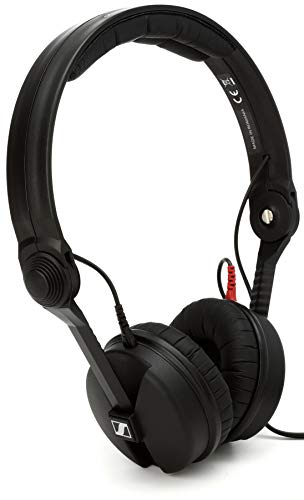
DJ headphones are not judged the way listening headphones are. You are cueing a track against a loud room, usually with one ear on and one off, often with the headphones half-hanging off your head, and the pair that wins is the one that isolates well and does not break at the cable. Sound quality matters less than either of those.

Best Hot Glue Gun for Cosplay (2026): High Temperature Melts EVA Foam
Most buying guides assume the most powerful option is the best one. Cosplay inverts that. EVA foam, the material most armour is built from, deforms and melts at the temperature an industrial glue gun runs at, so the 220 watt professional gun is the wrong tool for the job people most often buy it for.

Best Rotary Tool for Beginners (2026): 3 Dremel Kits for Crafts and Cosplay
A rotary tool is the little handheld workhorse that sands, grinds, cuts, engraves, and polishes almost any material, which is why it is a staple for cosplay, model-making, jewelry, and general crafting. For a first one the honest advice is simple: buy a real Dremel. The cheap copies wobble, overheat, and lose power under load, while a genuine Dremel is smooth, holds its speed, and takes the huge range of accessories you will actually want. The three here climb Dremel's own lineup, from a capable entry kit to the flagship.

Best Voice Recorder for Actors (2026): Hearing Yourself Is the Whole Point
Actors improve fastest by hearing themselves, because the performance you feel giving is not the performance that arrives. A recorder makes that gap visible — the rushed line, the dropped ending, the habit you did not know you had. What surprises most people is that the room you record in matters more to the result than the device you record with.

Best Beginner Drum Kits: Electronic vs Acoustic and What to Buy First
For most beginners the real decision is not which kit: it is electronic or acoustic, and that usually comes down to how much noise your home can take. Here are the three kits worth buying, how we chose them, and what to expect once you start playing.