Best Beginner Swim Goggles (2026): 3 Picks That Won’t Leak
Leaky, fogged-up goggles ruin a swim faster than anything. A good pair seals without crushing your eye sockets, stays clear, and disappears once you are in the water. Here are three that nail it, from a lap-swimming staple to a wide-view pair you'll forget you're wearing.
HobbyStack may earn a commission from links on this page at no extra cost to you. Our picks are chosen on merit; the commission helps fund the research.
- Fit is everything: press the goggles to your eye sockets without the strap — they should suction and hold for a second or two. If they do, they will seal in the water.
- For indoor pools, clear or lightly tinted lenses; for outdoor/bright water, mirrored or smoke tints cut glare.
- All goggles fog eventually — rinse gently, do not wipe the inside, and refresh with anti-fog spray when needed.
- Most adults are fine with a standard fit; low-profile "Swedish" or socket-fit goggles are a racing preference, not a beginner need.

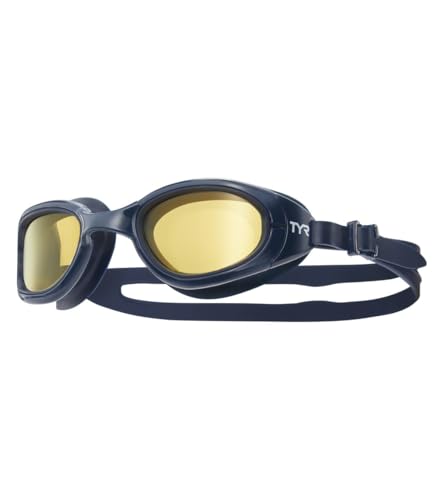

Goggles come down to one thing above all: seal and comfort. The gasket (the soft ring around the lens) has to match the shape of your eye sockets — that is why the same goggle leaks on one person and seals perfectly on another. The quick test: with no strap pressure, push the goggles onto your face; good-fitting goggles create suction and stay put for a moment. Strap tension keeps them on, but it should never be doing the sealing.
After fit, the choices are minor. Lens tint: clear or light for indoor pools, mirrored/smoke for bright outdoor water. Anti-fog coatings all wear off eventually — the fix is to rinse (never wipe the inside, which strips the coating) and use anti-fog drops when needed. Gasket material ranges from firm to soft silicone; softer is comfier for long swims. That is genuinely all that matters for a beginner.
 Best budget goggles
Speedo Vanquisher 2.0
Probably the most-worn goggle in lap lanes everywhere. A low-profile fit, a comfortable silicone gasket, and a reliable seal for most face shapes, all for very little money. Anti-fog and UV lenses round it out. If you are not sure where to start, start here.
What's good
- Reliable seal for most faces
- Comfortable low-profile fit
- Anti-fog, UV-protected lenses
- Cheap and everywhere
What's not
- Narrower field of view than mask-style goggles
- Anti-fog fades with time (normal)
 Best for most swimmers
TYR Special Ops 2.0
A step up in comfort and visibility without going niche. The Special Ops 2.0 has a wider field of view than a low-profile racing goggle, a soft, forgiving gasket for long swims, and polarized lens options for bright outdoor water. A great do-everything pick for someone swimming regularly.
What's good
- Wide field of view
- Soft gasket, comfortable for long swims
- Polarized options for outdoor glare
- Good seal across face shapes
What's not
- Bulkier than racing goggles
- Polarized versions cost more
 Best for comfort + open water
Aqua Sphere Kayenne
If goggles bug you or you swim in open water, these are the comfort upgrade. The larger mask-style lenses give a genuinely panoramic field of view, and the wide, soft gasket sits gently around (not in) your eye sockets — the most comfortable option here for long or open-water swims. The trade-off is a bigger, less hydrodynamic profile.
What's good
- Panoramic, wide field of view
- Very comfortable soft gasket
- Great for open water and sighting
- Easy to adjust on the fly
What's not
- Bulkier, less hydrodynamic for racing
- Most expensive of the three
The anti-fog coating lives on the inside of the lens, and wiping it with a towel or your finger scrapes it off — which is why goggles suddenly fog for good. Just rinse them in clean water and let them air-dry, and use a few drops of anti-fog spray when the coating finally wears out.
Which pair: swimming laps at the local pool? The Speedo Vanquisher is the no-brainer. Swimming regularly and want more comfort and view? The TYR Special Ops 2.0. Goggles always bother you, or you swim outdoors/open water? The Aqua Sphere Kayenne is worth it.
Before you buy
Do the suction test before buying if you can — press the goggles to your eyes with no strap; they should hold for a moment.
Set strap tension just tight enough to stay put; over-tightening causes leaks and headaches, not a better seal.
Rinse in fresh water after every swim and air-dry; chlorine and salt degrade the gasket and anti-fog over time.
Indoor pool: clear/light lenses. Bright outdoor water: mirrored or polarized to cut glare.
Swim goggle questions
How should swim goggles fit?
Why do my goggles keep fogging up?
What lens tint should I get?
Do I need expensive goggles?
What is the difference between racing and mask-style goggles?
How long do swim goggles last?
For most swimmers the Speedo Vanquisher 2.0 is the no-brainer — a proven seal for very little money. Swimming regularly and want more comfort and view? The TYR Special Ops 2.0. Goggles always bug you, or you swim open water? The Aqua Sphere Kayenne is the comfort upgrade. Above all, buy the pair that seals on your face.
Ready to actually do it?
The first swimming quest takes an evening, and it tells you whether the gear was worth it better than any review can.
Start SwimmingThe HobbyStack editorial team researches each guide using practitioner communities, published resources, and direct input from active hobbyists. Every guide is reviewed for accuracy before publication and updated when practices change.
About our editorial process →More gear guides
All guides
Best Pull-Up Bar 2026: ProsourceFit vs Iron Gym Doorway Bars vs RELIFE Power Tower
A pull-up bar is the cornerstone of home calisthenics, and the first decision is the mount: a doorway bar is cheap, instant, and renter-safe but does pull-ups only, while a free-standing power tower is sturdier and does far more but costs space and money. Here are three honest picks and which one fits your home.

Best Running Hydration 2026: Handheld vs Vest (Nathan & Salomon)
Once your runs stretch past an hour, carrying water stops being optional, but how you carry it depends almost entirely on how long you run. A handheld flask covers the daily training run most people do; a vest is what you want when you start going long or hit the trail. Here's how to choose, and why belts have fallen out of favor.

Best Running Shoes for Beginners (2026): Cushioning, Fit and the Gait Myth
Running shoes are sold on technology and bought on hope. The evidence that matching a shoe to your gait prevents injury is far weaker than shop advice implies, while the two things that reliably matter — a shoe that fits properly and one you find comfortable — get treated as afterthoughts. Start there and you will spend less and enjoy it more.

Best Running Watch for Beginners 2026: Garmin Forerunner 55 vs 265 vs 965
A GPS running watch gives you accurate pace and distance at a glance, the one piece of running tech that genuinely changes your training. They're all Garmin Forerunners here (the series owns running), and the only real question is how much watch you need: the essentials, the training metrics, or the maps. For most new runners, the cheapest does everything.

Best Beginner Ice Skates (2026): 3 Figure Skates from First Steps to Lessons
For your first pair of figure skates, the thing that matters most is fit, not looks or the brand on the boot. A skate that is too big or too soft lets your ankle fold inward, which makes skating harder and scarier than it needs to be. All three picks here are from Jackson Ultima, the brand most learn-to-skate programs point beginners toward, and they climb a clear ladder: a recreational skate for casual outings, a proper lessons skate with real ankle support, and a comfortable step-up boot for when you are hooked and skating every week.

Best Adjustable Dumbbells for Beginners (2026): 3 Picks for Every Budget
One pair of adjustable dumbbells replaces a whole rack, which is why they're the smartest first buy for a home gym in a spare room or apartment. The catch is the adjustment mechanism and the jumps between weights. Here are three that get it right, from a space-saving budget pair to a gym-grade set you'll never outgrow.