Best Running Watch for Beginners 2026: Garmin Forerunner 55 vs 265 vs 965
A GPS running watch gives you accurate pace and distance at a glance, the one piece of running tech that genuinely changes your training. They're all Garmin Forerunners here (the series owns running), and the only real question is how much watch you need: the essentials, the training metrics, or the maps. For most new runners, the cheapest does everything.
HobbyStack may earn a commission from links on this page at no extra cost to you. Our picks are chosen on merit; the commission helps fund the research.
- For most new runners, the Garmin Forerunner 55 (~$159) is the pick — accurate GPS, wrist heart rate, and every running metric a beginner needs, in a light watch with about two weeks of battery. The Forerunner series owns running for a reason, and the 55 is where it starts.
- Stepping up, the Forerunner 265 (~$360) adds a bright AMOLED touchscreen and Garmin's training-science layer — training readiness, recovery, HRV, running dynamics — for runners who want to train by the data, not just record it.
- At the top, the Forerunner 965 (~$510) adds full-color on-watch maps and multisport (cycling, swimming, triathlon) plus a bigger display and battery — for trail runners, marathoners, and triathletes who need navigation and range.
- How much watch you need is the whole decision. All three nail the basics — pace, distance, heart rate. You pay up for a nicer screen and training metrics (265), then maps and multisport (965). A new runner rarely needs more than the 55.
- Skip: a non-GPS fitness band (it guesses pace from arm-swing and gets it wrong — the whole point is accurate pace); a full multisport watch if you only run; and last-gen models on deep discount with worse GPS chips and weaker batteries.


How much watch do you need? That's the whole call
Every watch here is a Garmin Forerunner — the series that owns running — and they all nail the fundamentals: accurate GPS pace and distance, wrist heart rate, and the core run-tracking a beginner lives on. What you pay more for is everything around that.
The screen and the training science. The base watch uses a sunlight-readable MIP display and a battery that lasts about two weeks; step up and you get a bright AMOLED touchscreen plus Garmin's training layer — training readiness (a morning score for how primed you are to push), HRV status, recovery time, and running dynamics. If you want to train by the data rather than just record it, that's the upgrade.
Maps and multisport. The top watch adds full-color, on-watch maps for navigating trails and new routes, plus multisport modes (cycling, swimming, triathlon) and a bigger battery. If you only run familiar roads, you'll never touch these — but for trail runners, marathoners, and triathletes they're the whole reason to spend up.
For a new runner, the honest truth is that the cheapest one does everything you actually need. Buy up only for the metrics or the maps you'll genuinely use.
 Best for most new runners
Garmin Forerunner 55 GPS Running Watch
The watch that does everything a new runner needs. The Forerunner 55 has accurate GPS, wrist heart rate, and the full set of core running features — pace, distance, intervals, a daily suggested workout, race predictor, recovery advice — in a light, comfortable watch whose battery lasts about two weeks in everyday use. The display is the sunlight-readable MIP type rather than the flashy AMOLED of pricier models, which is exactly why the battery lasts so long and why it's so easy to read mid-run in bright sun. It's the cheapest watch here and the one most beginners should buy: it covers the fundamentals so completely that you'll outgrow your training long before you outgrow the watch.
What's good
- Accurate GPS + wrist HR — the run-tracking that matters
- All the core running features; nothing a beginner misses
- ~2-week battery and a sunlight-readable screen
- Light, comfortable, and the most affordable Forerunner
What's not
- MIP screen isn't the bright AMOLED of pricier models
- No on-watch maps
- Fewer advanced training-load metrics than the 265
 For training by the data
Garmin Forerunner 265 GPS Running Watch
The upgrade for runners who want the numbers. The Forerunner 265 keeps everything the 55 does and adds a gorgeous, bright AMOLED touchscreen plus Garmin's full training-science suite: training readiness (a morning score telling you how primed you are to push), HRV status, recovery time, training-load focus, and detailed running dynamics. It's the watch for someone following a real plan who wants to train smarter, not just log miles. The trade for the brilliant screen is shorter battery (still around a week), and you're paying roughly double the 55 for metrics a brand-new runner won't use yet — which is exactly why it's the step up, not the starting point.
What's good
- Bright AMOLED touchscreen — a joy to read
- Training readiness, HRV, recovery, running dynamics
- Everything the 55 does, plus the data depth
- The pick once you're following a real training plan
What's not
- Roughly double the 55's price
- Shorter battery than the MIP-screen 55
- Training metrics are wasted on a brand-new runner
 Maps + multisport
Garmin Forerunner 965 GPS Running Watch
The one with maps. The Forerunner 965 adds the two things the others lack — full-color, on-watch maps for navigating trails and unfamiliar routes, and multisport (cycling, swimming, triathlon) — on top of a larger AMOLED display, a titanium bezel, and a bigger battery for ultra-long days. It's the watch for trail runners, marathoners running long point-to-point routes, and triathletes who want one device for everything. For road runners sticking to known routes it's genuine overkill, but if you navigate or train across sports, it's the buy-once answer.
What's good
- Full-color on-watch maps for navigation
- Multisport: cycling, swimming, triathlon
- Largest AMOLED display and longest battery here
- Premium titanium build — buy-once for serious athletes
What's not
- Most expensive by a wide margin
- Maps and multisport are wasted if you only run roads
- A bigger watch on smaller wrists
The temptation, especially on a budget, is to use a cheap fitness band or just your phone instead of a dedicated GPS watch. Don't, if running is the goal. A band without true GPS estimates your pace and distance from arm-swing and steps — and it's wrong, often badly, which is useless when you're trying to hit a pace or build mileage. Your phone's GPS is accurate but you have to carry it and fish it out mid-run. A proper GPS watch gives you a glance-down, accurate pace the moment you need it — that's the entire reason to own one, and even the cheapest watch here does it well.
How to choose between the three
Pick the Forerunner 55 if you're a new runner who wants accurate pace, distance, and heart rate without overthinking it. It does everything you actually need, the battery lasts, and it's the cheapest way into the series that owns running.
Pick the Forerunner 265 if you're following a real training plan and want the data to train smarter — training readiness, recovery, running dynamics — on a beautiful AMOLED screen. The upgrade for the data-driven.
Pick the Forerunner 965 if you run trails or unfamiliar routes and want on-watch maps, or you train across sports and need multisport. It's the navigation-and-everything watch.
If you're unsure, get the 55. You'll outgrow your training long before you outgrow the watch — and you can always upgrade once you know which extras you'd actually use.
Before you buy
Don't overbuy. A new runner rarely needs more than the Forerunner 55 — pay up only for the AMOLED screen, training metrics, or maps you'll actually use.
MIP vs AMOLED is a real trade. The cheaper MIP screen looks plainer but lasts roughly twice as long per charge and is dead easy to read in bright sun.
Wrist HR is convenient, not perfect. For precise heart-rate training, all three pair with a chest strap; the wrist sensor is fine for everyday running.
Maps only matter if you navigate. On-watch maps (965 only) are gold for trail and travel and useless on your usual roads — don't pay for them otherwise.
Last year's model can be a deal — with caveats. Older Forerunners use older GPS chips and weaker batteries, so check those specs before buying a discounted one.
Common questions about running watches
Which Garmin Forerunner should a beginner buy?
Do I need a running watch, or is my phone enough?
MIP or AMOLED screen — which is better for a running watch?
What is 'training readiness' and do I need it?
Do I need maps on a running watch?
Is wrist heart rate accurate enough?
For most new runners, the Garmin Forerunner 55 GPS Running Watch is the buy — accurate GPS, heart rate, two-week battery, and every core running feature for the lowest price in the line. Following a real plan? The Garmin Forerunner 265 GPS Running Watch adds training-science metrics on a brilliant AMOLED screen. Running trails or training across sports? The Garmin Forerunner 965 GPS Running Watch brings on-watch maps and multisport.
Ready to actually do it?
The first running quest takes an evening, and it tells you whether the gear was worth it better than any review can.
Start RunningThe HobbyStack editorial team researches each guide using practitioner communities, published resources, and direct input from active hobbyists. Every guide is reviewed for accuracy before publication and updated when practices change.
About our editorial process →More gear guides
All guides
Best Running Hydration 2026: Handheld vs Vest (Nathan & Salomon)
Once your runs stretch past an hour, carrying water stops being optional, but how you carry it depends almost entirely on how long you run. A handheld flask covers the daily training run most people do; a vest is what you want when you start going long or hit the trail. Here's how to choose, and why belts have fallen out of favor.

Best Running Shoes for Beginners (2026): Cushioning, Fit and the Gait Myth
Running shoes are sold on technology and bought on hope. The evidence that matching a shoe to your gait prevents injury is far weaker than shop advice implies, while the two things that reliably matter — a shoe that fits properly and one you find comfortable — get treated as afterthoughts. Start there and you will spend less and enjoy it more.
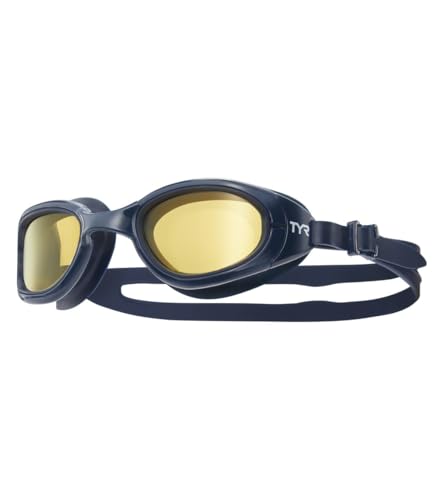
Best Beginner Swim Goggles (2026): 3 Picks That Won’t Leak
Leaky, fogged-up goggles ruin a swim faster than anything. A good pair seals without crushing your eye sockets, stays clear, and disappears once you are in the water. Here are three that nail it, from a lap-swimming staple to a wide-view pair you'll forget you're wearing.

Best Pull-Up Bar 2026: ProsourceFit vs Iron Gym Doorway Bars vs RELIFE Power Tower
A pull-up bar is the cornerstone of home calisthenics, and the first decision is the mount: a doorway bar is cheap, instant, and renter-safe but does pull-ups only, while a free-standing power tower is sturdier and does far more but costs space and money. Here are three honest picks and which one fits your home.

Best Beginner Bike Helmets (2026): 3 Safe Picks
A helmet is the one piece of cycling gear you should never skip, and the good news is a great one doesn't cost much. The thing to look for is MIPS, a liner that helps with the angled hits that cause most head injuries. All three picks below have it, from a cheap first lid to a lighter, better-vented upgrade.
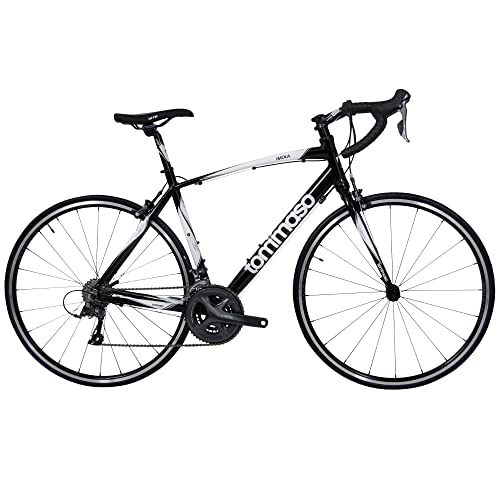
Best Beginner Road Bike (2026): 3 Real Picks You Can Actually Buy Online
A good first road bike is less about the brand on the frame and more about a few basics: a light aluminum frame, a Shimano drivetrain that shifts cleanly, and a fit that suits you. Quality road bikes are surprisingly scarce and pricey on Amazon, so it pays to skip the no-name bargains and stick to real brands. Here are three you can genuinely buy, from an affordable Schwinn to a carbon-fork Tommaso to grow into.