Best Running Hydration 2026: Handheld vs Vest (Nathan & Salomon)
Once your runs stretch past an hour, carrying water stops being optional, but how you carry it depends almost entirely on how long you run. A handheld flask covers the daily training run most people do; a vest is what you want when you start going long or hit the trail. Here's how to choose, and why belts have fallen out of favor.
HobbyStack may earn a commission from links on this page at no extra cost to you. Our picks are chosen on merit; the commission helps fund the research.
- For most runners, the Nathan SpeedDraw handheld (~$35) is the pick — a soft, insulated flask that straps to your hand so you barely feel it, with a pocket for a key or a gel. It carries enough for any run up to about 90 minutes, which is the vast majority of training runs. Most beginners need nothing more.
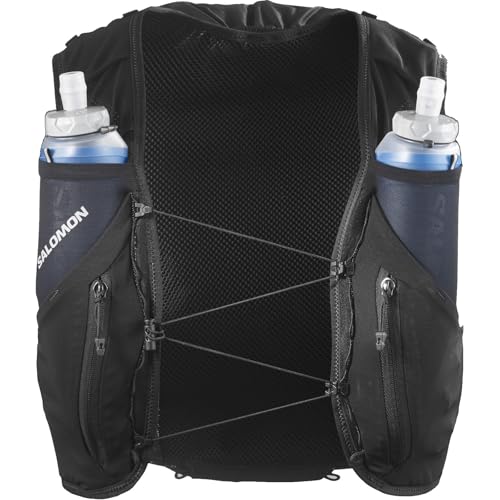
- Going long or hitting the trail? The Salomon ACT Skin 8 vest (~$91) is the do-it-all pick — it hugs your torso without bouncing, carries ~1 liter across two soft flasks plus room for nutrition, a phone, and a layer, and frees both hands. The moment your runs pass 90 minutes, this transforms them.
- For big days and ultras, the Salomon ADV Skin 12 (~$185) is the premium vest — more capacity (12 liters), more pockets, and the refined, race-proven fit that's the gold standard for long-distance and trail. More than a beginner needs; the buy-once vest if you know you're going far.
- The decision is run length, not budget. Under ~90 minutes (or 60 in heat), a handheld is all you need and the nicest way to carry water. Over that — or on trail, where you also carry food, layers, and your phone — a vest is worth every penny.
- Skip: a hard plastic bottle (a soft flask collapses as you drink, so no sloshing); a vest for short road runs (overkill and warm); and a hydration belt (the bounce and ride-up is exactly why runners moved to handhelds and vests).


Handheld or vest? It's about how long you run
Carrying water changes a run — for any effort over about an hour (or 30 minutes in heat), having a sip on hand instead of plotting your route around water fountains is a genuine upgrade. The only real question is how you carry it, and the answer is set almost entirely by run length.
A handheld is a soft flask in a strap that wraps your hand, so you're not gripping anything — you can open your hand completely and it stays put. Modern ones hold around 18 oz (about 500ml), enough for a run up to roughly 90 minutes, with a small pocket for a key, card, or gel. For the daily 30-to-75-minute training run that makes up most people's mileage, a handheld is the simplest, lightest, coolest way to carry water. Most beginners never need anything else.
A vest changes the game when you go long. It sits on your torso like a snug, lightweight backpack, carries around a liter across two chest-mounted soft flasks, and — crucially — has the room and pockets to carry what a long run also requires: gels and food, a phone, keys, a light layer, even poles. Done right (and Salomon's are), it moves with you without bouncing or chafing, and frees both hands. The rule of thumb: once your runs regularly pass 90 minutes, or you head onto trails where you're self-sufficient, a vest is worth it.
Belts? They've largely fallen out of favor — small bottles bounce, the belt rides up, and you carry little for the hassle. Most runners moved to handhelds for short runs and vests for long ones, skipping the belt entirely.
So: a handheld for the runs you do most, a vest when you start going long. Match the carry to the distance, not the price tag.
 Best for most runners
Nathan SpeedDraw Plus Insulated Flask
The simplest way to carry water, and all most runners need. The Nathan SpeedDraw is a soft, insulated ~18 oz flask in an adjustable hand strap — you don't grip it, you just let your hand relax against it, so after a minute you forget it's there. The insulation keeps water cool longer than a bare bottle, the flask collapses as you drink so there's no sloshing, and a small zip pocket holds a key, card, or gel. It covers any run up to about 90 minutes, which is the large majority of training runs. For a beginner — or any road runner doing normal distances — this is the right buy, and you'll likely never want more.
What's good
- Strap design — no gripping; you forget it's there
- Insulated; keeps water cool on hot runs
- Soft flask collapses as you drink (no slosh)
- Covers nearly every training run; cheap and simple
What's not
- ~18 oz only — not enough for runs over ~90 min
- One hand is 'occupied' (though not gripping)
- Minimal storage — a key and a gel, not more
 Best for going long
Salomon ACT Skin 8 Vest
The do-it-all vest, the moment you start running long. The Salomon ACT Skin 8 is the vest most runners should own once a handheld stops being enough: it wraps your torso snugly, carries about a liter across two chest soft flasks, and has roughly 8 liters of pockets for the food, phone, layer, and keys a long run demands — all without the bounce or chafe that ruins cheaper packs. Salomon effectively wrote the playbook on the close, no-jiggle vest fit, and this is their accessible version of it. The moment your runs pass 90 minutes or you head onto trail, it transforms them; for road runners who never go long, it's more than you need.
What's good
- Snug, no-bounce fit — moves with you
- ~1 liter of water plus ~8L of storage for long runs
- Carries food, phone, layer, keys; frees both hands
- Salomon's proven vest fit, at an accessible price
What's not
- Overkill (and warm) for short road runs
- Pricier than a handheld
- Soft flasks need rinsing and drying to stay fresh
 For big days and ultras
Salomon Unisex Advance Skin 12
The race-proven vest for when you're going really far. The Salomon ADV Skin 12 is the gold-standard long-distance vest: 12 liters of thoughtfully-placed storage, more and better pockets, and the dialed, secure fit that ultra and trail runners trust over marathon-plus distances. It carries everything a self-supported big day needs — multiple flasks or a reservoir, a lot of food, layers, poles, a safety kit — and disappears against your body even when loaded. It's genuinely more vest than a beginner needs, but if you already know you're heading for ultras, long trail days, or fastpacking, it's the buy-once pack you won't outgrow.
What's good
- 12L — carries everything a big self-supported day needs
- Race-proven, dialed fit; secure even fully loaded
- Abundant, well-placed pockets (flasks, food, poles)
- Buy-once vest for ultras and long trail
What's not
- Far more than a beginner or road runner needs
- The most expensive option here
- Big capacity is dead weight on short runs
Two things matter more than the gear. First, drink to thirst, not on a rigid schedule — for most runs under an hour you may not need water at all, and over-drinking plain water on long efforts can be genuinely dangerous (hyponatremia). On long or hot runs, add electrolytes, not just water. Second, soft flasks and bladders grow mold fast if you put anything but water in them, or don't clean them — rinse after every use and dry them open (a paper towel or a dedicated rack keeps them from getting funky). For runs over ~2 hours, plan where you'll refill rather than trying to carry every drop; even a 12-liter vest isn't meant to hold a marathon's worth of water.
How to choose between the three
Pick the Nathan handheld if your runs are mostly under about 90 minutes — which, for most runners, is most runs. It's the lightest, simplest, coolest way to carry water, and you'll forget it's in your hand.
Pick the Salomon ACT Skin 8 if you're starting to run long (90+ minutes) or heading onto trails, where you need a liter of water plus room for food, a phone, and a layer. It's the do-it-all vest with the no-bounce fit that makes carrying all that comfortable.
Pick the Salomon ADV Skin 12 if you're going really far — ultras, long trail days, fastpacking — and want the race-proven, high-capacity vest you won't outgrow.
If you're unsure and you run roads at normal distances, get the handheld. Add a vest the season you start training past 90 minutes — not before.
Before you buy
Match the carry to your longest regular run. Under ~90 min → handheld. Regularly over that, or trail → vest. Don't buy a vest for runs you don't do.
Soft flask over hard bottle. It collapses as you drink (no sloshing), packs flat, and is easier to hold. Every option here uses them.
Try a loaded vest on if you can. Vest fit is personal — it should be snug with full flasks and not bounce. Salomon's sizing runs close; size for a no-jiggle fit.
Add electrolytes for long or hot runs. Plain water alone over several hours can be a problem; tabs or drink mix are cheap insurance.
Skip the belt. Bouncing bottles and ride-up made belts the option runners abandoned — a handheld or vest is more comfortable for the same water.
Common questions about running hydration
Do I need a hydration vest as a beginner?
Handheld vs vest vs belt — which should I get?
How much water should I carry on a run?
When is a run long enough to need to carry water?
Are soft flasks better than hard water bottles?
How do I clean a soft flask or vest bladder?
For most runners, the Nathan SpeedDraw Plus Insulated Flask is the buy — a soft, insulated handheld that covers nearly every training run for around $35, and you'll forget it's in your hand. Starting to run long or hitting trail? The Salomon ACT Skin 8 Vest is the do-it-all vest with the no-bounce fit. Going truly far — ultras, long trail? The Salomon Unisex Advance Skin 12 is the race-proven, high-capacity pack. Match the carry to your distance, not the price.
Ready to actually do it?
The first running quest takes an evening, and it tells you whether the gear was worth it better than any review can.
Start RunningThe HobbyStack editorial team researches each guide using practitioner communities, published resources, and direct input from active hobbyists. Every guide is reviewed for accuracy before publication and updated when practices change.
About our editorial process →More gear guides
All guides
Best Running Shoes for Beginners (2026): Cushioning, Fit and the Gait Myth
Running shoes are sold on technology and bought on hope. The evidence that matching a shoe to your gait prevents injury is far weaker than shop advice implies, while the two things that reliably matter — a shoe that fits properly and one you find comfortable — get treated as afterthoughts. Start there and you will spend less and enjoy it more.

Best Running Watch for Beginners 2026: Garmin Forerunner 55 vs 265 vs 965
A GPS running watch gives you accurate pace and distance at a glance, the one piece of running tech that genuinely changes your training. They're all Garmin Forerunners here (the series owns running), and the only real question is how much watch you need: the essentials, the training metrics, or the maps. For most new runners, the cheapest does everything.
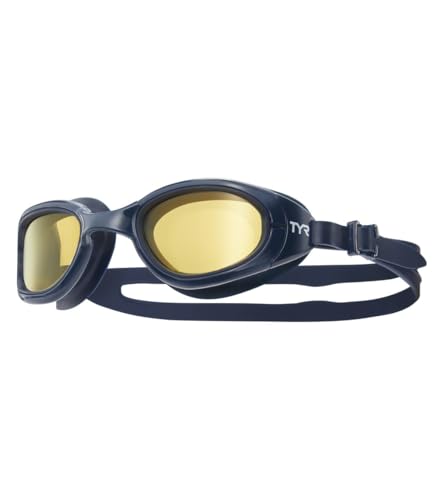
Best Beginner Swim Goggles (2026): 3 Picks That Won’t Leak
Leaky, fogged-up goggles ruin a swim faster than anything. A good pair seals without crushing your eye sockets, stays clear, and disappears once you are in the water. Here are three that nail it, from a lap-swimming staple to a wide-view pair you'll forget you're wearing.

Best Pull-Up Bar 2026: ProsourceFit vs Iron Gym Doorway Bars vs RELIFE Power Tower
A pull-up bar is the cornerstone of home calisthenics, and the first decision is the mount: a doorway bar is cheap, instant, and renter-safe but does pull-ups only, while a free-standing power tower is sturdier and does far more but costs space and money. Here are three honest picks and which one fits your home.

Best Beginner Bike Helmets (2026): 3 Safe Picks
A helmet is the one piece of cycling gear you should never skip, and the good news is a great one doesn't cost much. The thing to look for is MIPS, a liner that helps with the angled hits that cause most head injuries. All three picks below have it, from a cheap first lid to a lighter, better-vented upgrade.
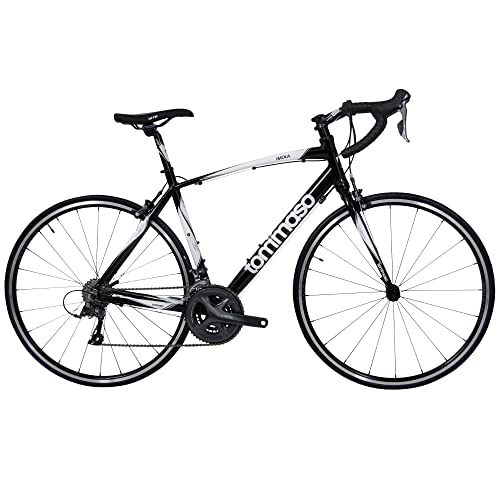
Best Beginner Road Bike (2026): 3 Real Picks You Can Actually Buy Online
A good first road bike is less about the brand on the frame and more about a few basics: a light aluminum frame, a Shimano drivetrain that shifts cleanly, and a fit that suits you. Quality road bikes are surprisingly scarce and pricey on Amazon, so it pays to skip the no-name bargains and stick to real brands. Here are three you can genuinely buy, from an affordable Schwinn to a carbon-fork Tommaso to grow into.