Best Jump Ropes for Beginners (2026)
The right first rope is the one that does not tangle and fits your height. Get that and jumping clicks within a week; grab a cheap knotty one and you will quit in a day. Here are three ropes, from a $9 speed rope to a weighted system you grow into.
HobbyStack may earn a commission from links on this page at no extra cost to you. Our picks are chosen on merit; the commission helps fund the research.
- Sizing beats everything. A rope about your height plus 3 feet — so the handles reach your armpits when you stand on the middle of the cable — is what makes jumping click. Most ropes adjust; set yours to fit before you judge it.
- Our pick: the Redify Weighted Rope (~$23). A light 1lb rope with smooth ball bearings and swappable cotton/PVC cables. Heavy enough to feel the rhythm, forgiving enough to learn on. The rope most people should start with.
- Cheapest real rope: the Loocio Speed Rope (~$9). Tangle-free steel cable, ball bearings, adjustable length. Not fancy, but a genuine working rope to learn the basic bounce on.
- Serious upgrade: the Crossrope Get Lean Set (~$129). Two swappable weighted ropes on fast-clip handles, sized by height, with a workout app. For when jumping sticks and you want a system, not a rope.
- Skip: the cheap plastic-segment 'beaded' ropes (they whip and sting), and any rope with no ball bearings (the cable twists and tangles every few jumps).
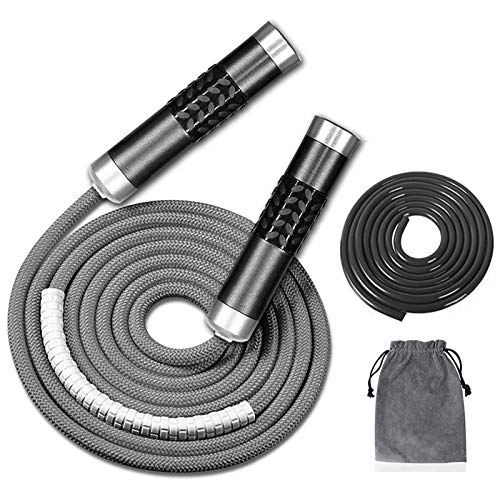 Our pickRedify Weighted Jump Rope (1lb)Best for most beginners$26Check price
 Loocio Tangle-Free Speed Jump RopeCheapest real rope$9Check price
 Crossrope Get Lean Weighted SetThe system to grow into$129Check price
What actually matters in a first rope
Three things, in order.
Length is #1. Too long and the rope is slow and slaps the floor; too short and it clips your head. The rule: stand on the middle of the cable with one foot, and the handles should reach roughly your armpits (about your height plus 3 feet). Almost every rope adjusts — a sliding lock or a cable you trim — so set it to your height before your first real session. Most "this rope is terrible" reviews are really "I never sized it."
No tangles means ball bearings. The single feature that separates a rope you will use from one you will abandon is ball bearings in the handles. They let the cable spin freely so it does not kink, twist, and tangle every few rotations. All three picks here have them; the dollar-store ropes do not.
Weight is the fun part. A bare speed rope is light and fast — great for double-unders later, but hard to feel while you are learning. A lightly weighted rope (about 1lb total, or a weighted cable) turns slower and gives you feedback on each swing, so your timing clicks faster. That is why the weighted Redify is our pick for most beginners over a bare speed rope.
Surface matters too: a smooth PVC or coated-steel cable is fine on almost any floor. Save the naked-steel "speed cables" for a gym mat — they fray on concrete.
 Best for most beginners
Redify Weighted Jump Rope (1lb)
The Redify hits the sweet spot for learning: about 1lb total, so it turns slowly enough to feel the rhythm without being a heavy conditioning tool. The upgraded double ball bearings keep it spinning smooth and tangle-free, and it ships with two swappable 9mm cables — a braided cotton one that is quiet and forgiving to learn on, and a solid PVC one that is faster and more durable as you improve. Aluminum handles with silicone grips stay put in sweaty hands, and the length adjusts to your height with a built-in lock. It is the one rope that covers the whole beginner journey.
What's good
- Around 1lb — weighted enough to feel the swing, light enough to learn on
- Smooth double ball bearings, genuinely tangle-free
- Two swappable cables (quiet cotton to learn, fast PVC to progress)
- Aluminum handles with grippy silicone, adjustable length
What's not
- Heavier than a bare speed rope if you only want fast double-unders
- Cotton cable wears faster than PVC on rough outdoor surfaces
 Cheapest real rope
Loocio Tangle-Free Speed Jump Rope
Proof a good starter rope costs almost nothing. The Loocio is a real ball-bearing speed rope — the bearings let the coated-steel cable spin freely so it does not kink and tangle like the ropes it competes with — with soft foam handles and a length you adjust to your height. It is light and fast rather than weighted, so it takes a little more focus to feel the rhythm than the Redify, and the foam handles are basic. But as a genuine working rope to learn the basic bounce on, or a cheap spare for your bag, it does the job for the price of a coffee.
What's good
- Real ball bearings — spins freely, resists tangles
- Adjustable length for any height, adult or kid
- Light and portable, fits in a bag or pocket
- About $9 — a real rope, not a toy
What's not
- Bare/light cable is harder to feel than a weighted rope
- Basic foam handles, not the most durable grips
 The system to grow into
Crossrope Get Lean Weighted Set
For someone who already knows jumping will stick, Crossrope is the recognized premium system. Instead of one fixed rope, you get durable handles and two weighted ropes — a lighter 1/4lb and a heavier 1/2lb — that clip on and off in seconds, so you can learn on the light rope and build real conditioning on the heavy one. The weighted ropes are easier for beginners to feel and do not coil or tangle, and the companion app has guided workouts. The one catch: Crossrope sizes its ropes by your height, so choose your size on the product page rather than assuming. It is far more than a first-timer needs, but it is the rope you buy once and keep for years.
What's good
- Two swappable weighted ropes (1/4lb and 1/2lb) on fast-clip handles
- Weighted ropes are easy to feel and do not tangle
- Guided workout app for iOS and Android
- Durable, buy-it-once build that outlasts cheap ropes
What's not
- Sized by height — you must pick the right size for you
- ~$129 is real money and more than a beginner strictly needs
Nearly every one-star jump-rope review comes down to length. Out of the box, a rope is set long. Stand on the middle of the cable with one foot: the handle tips should reach your lower chest or armpits. Slide the adjusters (or trim the cable) down to there before your first session. A correctly sized rope turns a 'this is impossible' first day into a 'this is fun' one.
Before you buy
Match the rope to your floor. Coated-steel or PVC cables handle wood, tile, or pavement. Bare 'speed cables' are faster but fray on concrete — use them on a mat.
Learn the bounce before the fancy stuff. Small jumps an inch off the floor, wrists doing the turning (not big arm circles). Ten minutes a day beats one long frustrating session.
Weighted ropes build timing faster. The slight extra heft tells your hands where the rope is, so beginners often learn quicker on a 1lb rope than on a bare speed rope.
Cushioned shoes or a mat save your shins. Jumping is impact. On hard floors, jump on a thin mat or wear trainers with some cushion, especially early while your calves adapt.
Store the cable loose. Do not wind it tight around the handles for months — coated cables take a 'memory' curl. Hang it or coil it loosely.
Common questions about beginner jump ropes
What length jump rope do I need?
Speed rope or weighted rope for a beginner?
Why does my rope keep tangling?
Is a $9 rope good enough to start?
What surface should I jump on?
Is the Crossrope worth it for a beginner?
Ready to actually do it?
The first jump rope quest takes an evening, and it tells you whether the gear was worth it better than any review can.
Start Jump RopeThe HobbyStack editorial team researches each guide against manufacturer specifications, published resources and practitioner sources. Every product is checked for availability and described against its current listing before publication, and prices are re-checked when guides are updated.
About our editorial process →More gear guides
All guides
Best Pull-Up Bar 2026: ProsourceFit vs Iron Gym Doorway Bars vs RELIFE Power Tower
A pull-up bar is the cornerstone of home calisthenics, and the first decision is the mount: a doorway bar is cheap, instant, and renter-safe but does pull-ups only, while a free-standing power tower is sturdier and does far more but costs space and money. Here are three honest picks and which one fits your home.
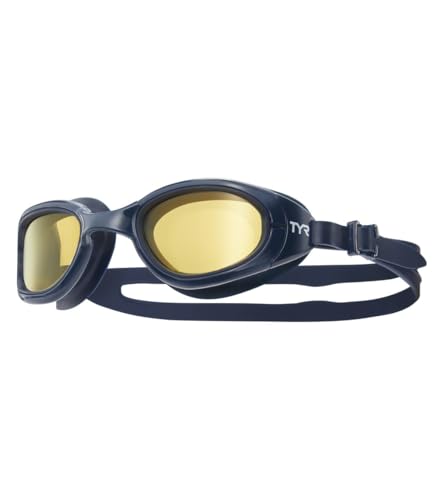
Best Beginner Swim Goggles (2026): 3 Picks That Won’t Leak
Leaky, fogged-up goggles ruin a swim faster than anything. A good pair seals without crushing your eye sockets, stays clear, and disappears once you are in the water. Here are three that nail it, from a lap-swimming staple to a wide-view pair you'll forget you're wearing.

Best Running Hydration 2026: Handheld vs Vest (Nathan & Salomon)
Once your runs stretch past an hour, carrying water stops being optional, but how you carry it depends almost entirely on how long you run. A handheld flask covers the daily training run most people do; a vest is what you want when you start going long or hit the trail. Here's how to choose, and why belts have fallen out of favor.

Best Running Shoes for Beginners (2026): Cushioning, Fit and the Gait Myth
Running shoes are sold on technology and bought on hope. The evidence that matching a shoe to your gait prevents injury is far weaker than shop advice implies, while the two things that reliably matter — a shoe that fits properly and one you find comfortable — get treated as afterthoughts. Start there and you will spend less and enjoy it more.

Best Running Watch for Beginners 2026: Garmin Forerunner 55 vs 265 vs 965
A GPS running watch gives you accurate pace and distance at a glance, the one piece of running tech that genuinely changes your training. They're all Garmin Forerunners here (the series owns running), and the only real question is how much watch you need: the essentials, the training metrics, or the maps. For most new runners, the cheapest does everything.

Best Slackline Kit (2026): Wider Webbing Is Easier, and Trees Need Protecting
Two things decide whether a first session is fun or demoralising. Webbing width, because a 2-inch line is markedly more stable underfoot than a 1-inch one, and height, because a line set at knee height is something you can step off rather than fall from. Neither is about the ratchet everyone compares.