Best Beginner Winemaking Kit 2026: Craft a Brew vs North Mountain vs Master Vintner
Good news first: making wine at home is more forgiving than it sounds, and you don't need a cellar or a chemistry degree to end up with something you'd actually pour for a friend. A starter kit gives you the gear to ferment, rack, and bottle, and you supply the juice or fruit and a little patience. The catch nobody mentions is that "kit" means two different things. Some are all-in-one boxes with the juice included so you can start tonight, and some are just the reusable equipment that expects you to bring your own ingredients. This guide sorts out which is which, and picks three genuinely good ones: the easiest way to try it, the best gear for most beginners, and the full-size rig to grow into.
HobbyStack may earn a commission from links on this page at no extra cost to you. Our picks are chosen on merit; the commission helps fund the research.
- A starter kit is the reusable gear (fermenter, airlock, siphon), and you add the ingredients and bottles separately unless the kit bundles a first batch.
- One gallon makes about five bottles and is the smart size to learn on; five or six gallons makes ~30 but the same batch of work costs more if it flops.
- Get a kit with a hydrometer. Measuring sugar and alcohol is how you actually learn instead of guessing from a calendar.
- Glass fermenters last forever and never scratch; plastic is lighter, cheaper, and safer to drop but wears out over a few years.
 Master Vintner Fresh Harvest 1-Gallon Wine KitTrying winemaking cheaply before committing to a full setup$70Check price
 Our pickNorth Mountain Supply 1 Gallon Wine From Fruit Complete 30pc KitMost beginners who want gear that lasts many batches$78Check price
 Master Vintner Wine Making Starter Kit (6 Gallon)Anyone sure they'll keep going and wants full-size batches$280Check price
Here's the thing to sort out first: a winemaking starter kit is the reusable equipment, not the wine. You're buying a fermenter, an airlock, a siphon for moving wine off its sediment, and ideally a hydrometer and a corker. The actual wine comes from ingredients you add: a juice concentrate, a can of grape must, or fresh fruit, plus yeast and a handful of additives. Some beginner kits blur this line by tossing in a first batch of juice, which is great for getting started but isn't something you get for free on batch two. So when you compare prices, remember the sticker is mostly for gear you'll reuse for years, with a smaller ongoing cost for ingredients every time you make a batch. A cheap kit that skips the hydrometer and corker isn't really cheaper once you buy those separately. None of this is complicated once you've done it once, but knowing what's gear and what's a consumable saves you from the classic mistake of buying a lovely kit and then realizing you still need juice, bottles, and something to measure sugar.
The other big decision is batch size. One gallon makes about five bottles and is genuinely the right place to start. If a batch goes sideways, and your first one might, you've lost a few bottles and a couple of weeks, not a month of work and 30 bottles' worth of ingredients. A gallon jug also fits on a kitchen counter and doesn't demand a corner of the basement. Five or six gallons is where a lot of people end up, because the work is nearly identical whether you're making 5 bottles or 30, so the bigger batch is far better value per bottle. The catch is space and risk: you need room for a full carboy plus a couple dozen aging bottles, and a mistake is a much bigger waste. As for the fermenter itself, glass never scratches and lasts forever but is heavy and breakable, while wide-mouth plastic is light, cheap, and easy to clean but wears out over a few years. For a first kit, don't overthink it and pick the size that matches how sure you are you'll keep going.
 Best budget / small batch
Master Vintner Fresh Harvest 1-Gallon Wine Kit
If you are not sure winemaking will stick, this is the honest way to find out without dropping a few hundred dollars. The Master Vintner Fresh Harvest is a one-gallon small-batch kit: you get the fermenting jug, airlock, siphon, and the basic tools to take a batch from fruit or juice through to about four finished bottles. That small scale is the whole point. It takes up almost no space, the whole process is less intimidating, and if you decide winemaking is not for you, you have spent very little. The catch is exactly that scale: one gallon is roughly four bottles, so this is for learning and tasting, not for stocking a cellar, and you will re-buy ingredients each batch. Plenty of people also outgrow the small jug and move up to a six-gallon setup once they are hooked. But as a first, low-risk way to actually make wine with your own hands, it is hard to beat.
What's good
- Cheap, low-risk way to make real wine start to finish
- One-gallon batch fits anywhere and is less intimidating
- Comes with the core equipment you need to begin
- Easy to upgrade to a bigger setup later if you love it
What's not
- One gallon is only about four bottles per batch
- You outgrow the small jug fast if you get serious
 Best for most beginners
North Mountain Supply 1 Gallon Wine From Fruit Complete 30pc
If you want real equipment that outlives your first batch, this is the one. The 30-piece set covers the whole process from fermentation to corked bottle: a 2-gallon primary bucket, a 1-gallon glass jug for secondary, an auto-siphon, two airlocks, a straining bag, a hydrometer and test jar, a wine thief, plus a corker and corks. It also throws in enough additives (Campden tablets, pectic enzyme, yeast, nutrient, acid blend, stabilizer) for roughly 15 gallons of wine and a recipe book with 100 fruit-wine ideas. You supply the fruit and the bottles. Because it includes a hydrometer, this is the kit that actually teaches you winemaking instead of just following a countdown. The tradeoff is that it asks more of you up front: you're sourcing and prepping fruit, and there's no hand-holding juice pouch, so your first batch takes a bit more planning than a pour-and-go kit.
What's good
- Complete reusable gear that lasts many batches
- Includes a hydrometer, so you learn to measure
- Enough additives for roughly 15 gallons of wine
- Corker and corks included, which many kits skip
What's not
- You have to source and prep your own fruit
- A little more effort before your first batch than a juice kit
 Best to grow into
Master Vintner Wine Making Starter Kit (6 Gallon)
This is the full-size rig serious home winemakers actually use, sized for 6-gallon batches that yield around 30 bottles. You get a 6.5-gallon Big Mouth Bubbler primary (clear plastic, wide mouth, gallon markings you can read at a glance), a secondary carboy, an auto-siphon, a bottle filler, a hand corker with corks, a lab thermometer, and a proper hydrometer with a test jar and thief. It's designed to pair with any 6-gallon wine recipe kit, so once you're set up you just add a juice kit and go. The reason it's the premium pick and not the starting point: 6 gallons is the same amount of work as 1, but a batch you dislike is 30 bottles instead of 5, and you need real shelf and floor space for a full carboy plus 30 aging bottles. Buy this when you already know you're staying with the hobby.
What's good
- Full 6-gallon setup, about 30 bottles a batch
- Wide-mouth fermenter is far easier to clean
- Works with any 6-gallon wine recipe kit
- Serious tools: hydrometer, corker, bottling wand
What's not
- Overkill if you're not sure you'll keep going
- Needs real space for the carboy and aging bottles
The number that surprises new winemakers isn't the kit price, it's the ingredients. A batch of decent juice or a wine recipe kit runs $25 to $80 every time, on top of your one-time gear. That's actually good news: it means a slightly nicer kit with a hydrometer and corker built in is a rounding error over a year, while the cheap kit you outgrow and rebuy is the expensive path. Buy the gear once, buy ingredients forever.
For most people, get the North Mountain Supply 30-piece kit. It's real equipment that lasts, it includes the hydrometer and corker that cheaper kits make you buy later, and it teaches you actual winemaking instead of following a countdown. If you just want to find out whether you enjoy the process, or you're buying a gift, the Craft a Brew kit is the easy, low-commitment way in since the juice is already in the box. Only jump to the Master Vintner 6-gallon setup if you already know you're staying with this and you've got the space for full-size batches. When in doubt, start with one gallon; you can always scale up, and a small first batch is a cheap education.
Before you buy
Sanitize everything that touches the wine, every single time. Most first-batch failures are contamination, not a bad recipe.
Buy a spare airlock and an extra pack of Campden tablets up front. They're cheap and you'll be glad you have them.
Start with a sweeter, forgiving style like Moscato or a fruit wine before you attempt a bone-dry red.
Label each carboy with the start date. 'I'll remember' turns into three mystery jugs by spring.
Beginner winemaking kit questions
Do I need to buy grape juice separately?
How much wine does a kit actually make?
Glass or plastic fermenter, which is better?
How long until I can actually drink it?
Is a hydrometer really necessary?
Can I reuse the equipment for the next batch?
If you're not sure, start small and start cheap-ish. The Craft a Brew kit tells you in one batch whether you like the process, and the North Mountain kit is the one most beginners should actually own because the gear lasts and it comes with a hydrometer. Save the 6-gallon Master Vintner setup for when you already know you're hooked. Wine is patient, so you don't have to buy your whole future in the hobby on day one.
Ready to actually do it?
The first winemaking quest takes an evening, and it tells you whether the gear was worth it better than any review can.
Start WinemakingThe HobbyStack editorial team researches each guide against manufacturer specifications, published resources and practitioner sources. Every product is checked for availability and described against its current listing before publication, and prices are re-checked when guides are updated.
About our editorial process →More gear guides
All guides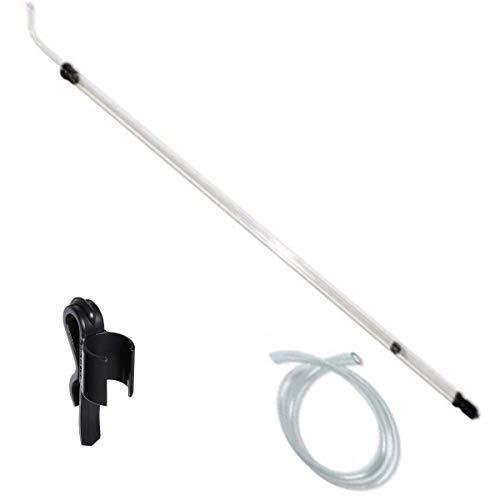
Best Auto-Siphon (2026): Move the Beer Without Moving the Trub
Racking is moving beer off the sediment it has dropped, and there are two ways to ruin it. One is stirring up the trub so it comes with you. The other is splashing, which dissolves oxygen into finished beer and produces a stale, wet-cardboard flavour weeks later. An auto-siphon exists to avoid both, and it costs less than a bag of hops.

Best Bottling Wand (2026): Fill to the Brim, Then Let It Drop
A bottling wand looks like a length of tube with a valve on the end, and the clever part is what happens when you lift it out. You fill the bottle right to the brim, and withdrawing the wand removes exactly its own volume, leaving the correct headspace every time without measuring anything.
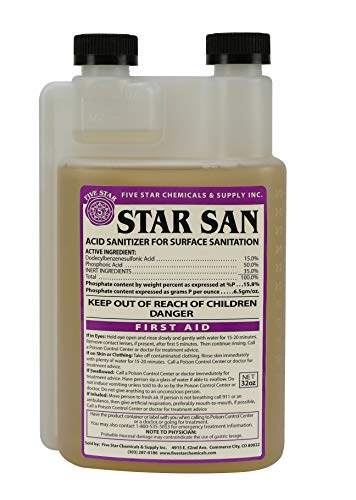
Best Brewing Sanitizer (2026): Clean First, Then Sanitise
More homebrew is ruined by infection than by any mistake in the recipe, and almost all of it traces back to one misunderstanding: cleaning and sanitising are two separate steps, and sanitiser does nothing on a surface that is not already clean. The good news is that the standard product costs very little and works in thirty seconds.

Best Brewing Thermometer (2026): Two Degrees Changes the Beer
Mash at 150°F and you get a dry, crisp beer. Mash at 156°F and you get a fuller, sweeter one from exactly the same grain bill. That is a six-degree window deciding the character of the finished beer, which makes an accurate thermometer less of an accessory than a recipe ingredient.

Best Pot for Cheese Making (2026): Milk Scorches Where the Pan Is Thin
Milk is unforgiving in two specific ways. It reacts with bare aluminium and copper, which taints the curd and discolours the pan, and it scorches wherever the base has a hot spot — and once a batch has caught, the whole thing tastes of it. Both problems are solved by the same purchase, and neither is solved by watching more carefully.
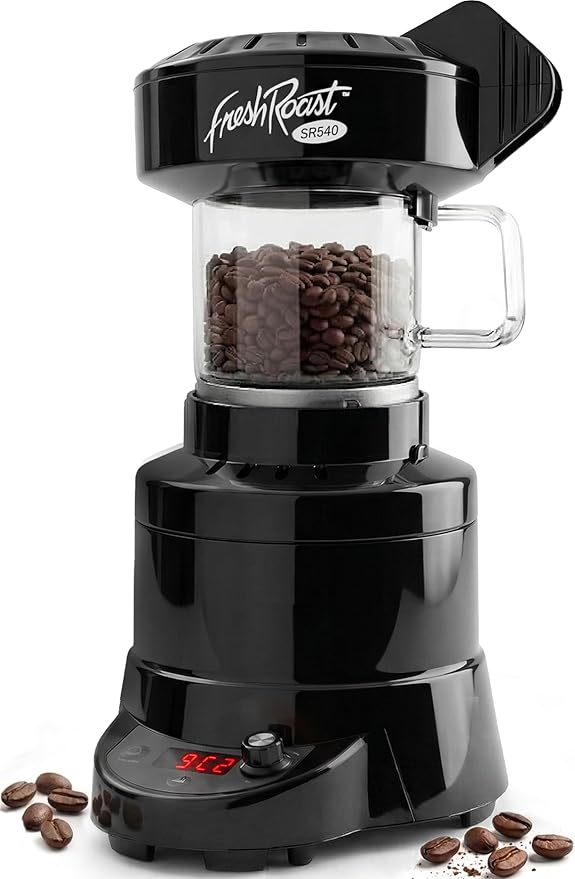
Best Beginner Home Coffee Roaster 2026: Nuvo vs Fresh Roast SR540 vs Behmor 1600
Home roasting is one of those rare hobbies where the result is measurably better than what you can buy. Get the right roaster and you'll drink the best coffee of your life within a month.