Best BJJ Rash Guard (2026): Skin Infections Are the Real Reason You Wear One
People assume a rash guard is about friction burn from the mats. That is part of it. The bigger reason is that grappling puts your skin against other people and against a mat surface all session, and ringworm, impetigo and staph move through gyms exactly that way. Fabric between you and everything else is the cheapest prevention there is.
HobbyStack may earn a commission from links on this page at no extra cost to you. Our picks are chosen on merit; the commission helps fund the research.
- It is a barrier against skin infection first, mat burn second.
- Wash it after every single session. No exceptions, no airing it out.
- IBJJF competition has rules on rash guard colour and rank. Check before you enter.
- Flatlock seams sit flat under a gi and do not dig in during scrambles.
- Long sleeve covers more skin. Short sleeve is cooler and legal in fewer places.
 USKOY compressionA first one$20Check price
 Our pickSanabul EssentialMost people$36Check price
 Venum ContenderWearing it out$45Check price
Hygiene, which is the actual argument
Grappling is close, sweaty, prolonged skin contact with a rotating cast of training partners, on a surface everyone else has been on. That is a good description of how skin infections spread.
The three that circulate in every gym:
- Ringworm, a fungal infection, not a worm. Circular scaly patches. Extremely contagious and extremely common.
- Impetigo, bacterial, showing as crusted golden sores, usually on the face or arms.
- Staph, including resistant strains, which starts as something that looks like a spot or a boil and can become serious quickly.
A rash guard puts a washable barrier between your torso and everything else. It does not make you immune, and it does substantially reduce contact area.
Which is why washing matters as much as wearing. A rash guard worn twice without washing is a cultured surface you are strapping to your chest. Wash after every session, every time.
And why you check your skin. Anything new, red, circular or weeping means you stay off the mats and see a doctor. Training through a skin infection is how one person's problem becomes the whole gym's, and it is the fastest way to a bad reputation at a club.
Shower straight after training, not when you get home. The delay is when most transmission happens.
Fit, seams and the competition rules
Compression fit is not vanity. A loose shirt gives an opponent something to grab, bunches under a gi, and rides up over your stomach in a scramble, which puts your skin back on the mat. It should be snug enough to stay put and no tighter.
Flatlock seams are stitched flat rather than raised. Under a gi, and under someone's body weight, a raised seam digs in and chafes over a long session. It is a small detail that you notice on hour two.
Long or short sleeve. Long covers your forearms, which take most of the mat burn and most of the contact, and is warmer. Short is cooler and preferred by many for no-gi in hot gyms. Long is the safer default if you are buying one.
Then the rules, which catch people out. The IBJJF specifies rash guard requirements for no-gi competition, including that it must cover from shoulder to at least mid-torso, and there are rules tying colour to belt rank. A rash guard that is fine in training can be turned away at weigh-in.
The Sanabul here is explicitly IBJJF approved, which removes the question for the garment itself. Always check the current ruleset for your division and rank before entering, because the specifics change and vary by organisation.
Gi training is different. Many gyms require or prefer a rash guard under the gi for hygiene, and a few forbid it. Ask at your club rather than assuming.
 Best for a first one
USKOY Men's Rash Guard Compression Shirt Long Sleeve UPF 50+
A nylon and spandex compression shirt that does the core job for the price of a couple of coffees, which matters when you need two or three so there is always a clean one. Flatlock seams keep it from chafing under a gi, and the fabric wicks and dries fast enough to be washed daily. UPF 50+ means it doubles for open water and beach sport. It carries no competition approval, so check before entering anything.
What's good
- Cheap enough to buy two or three at once
- Flatlock seams do not chafe under a gi
- Quick drying, so daily washing is practical
- UPF 50+ works for swimming and surf too
What's not
- No IBJJF approval stated
- Thinner fabric than the Sanabul
- Sizing runs small, so size up
- Graphic print rather than plain
 Best for most people
Sanabul Essential Long Sleeve Compression Training Rash Guard
Approved for IBJJF competition, which takes one whole question off the table if you ever intend to enter anything. Ventilated mesh panels under the arms move heat out of exactly the place it builds during a hard roll, and four-way stretch with graduated compression through the arms and upper torso keeps it in place through scrambles rather than riding up. Sanabul is a grappling brand rather than a general sportswear one.
What's good
- Approved for IBJJF competition
- Mesh underarm panels vent where heat builds
- Four-way stretch stays put through scrambles
- Made by a grappling brand, not a generalist
What's not
- Nearly twice the budget option
- Still check colour rules for your rank
- Mesh panels wear faster than the main body
- Fewer colours than fashion brands
 Best for wearing out
Venum Contender Men’s Long Sleeve Rashguard - Black/White-L
Venum build things to be looked at as well as trained in, and the Contender is the plain, well-finished one in the range rather than a loud graphic. Long sleeve compression fit with a round crew neck and a screen printed logo, cut for jiu-jitsu, grappling and MMA. What you are paying for is the finish and the brand rather than a feature the Sanabul lacks, so buy it because you want it rather than because it does more.
What's good
- Clean, plain finish rather than a loud print
- Cut specifically for grappling and MMA
- Compression fit stays put under a gi
- Holds its shape and colour well
What's not
- No stated IBJJF approval
- No mesh venting like the Sanabul
- Paying for the brand as much as the garment
- Dearest of the three
A rash guard worn twice without washing is worse than no barrier at all, because you are holding a day of gym bacteria against your chest. Wash after every single session, and hang it to dry rather than leaving it balled in a bag. Then look at your skin. Anything new, red, circular or weeping means staying off the mats and seeing a doctor. Training through a skin infection is how it spreads to everyone.
Making them last
Cold wash, no fabric softener. Softener coats synthetic fibres and destroys their ability to wick, which is most of what you paid for. Heat breaks down elastane and is why rash guards go baggy.
Never tumble dry. Hang it. Tumble drying is the single fastest way to kill the stretch and the printed graphics.
Turn it inside out to wash, which protects sublimated prints and gets the sweaty side actually clean.
Own at least three. Training two or three times a week with one rash guard means either washing it immediately every time or wearing it dirty, and one of those will happen more than the other.
Air it before it goes in the bag. A wet rash guard sealed in a gym bag for eight hours grows exactly what you are trying to avoid, and the smell that comes with it never fully washes out.
Trim your nails. Not about the garment, but it is the other thing that causes most skin damage in grappling, both to you and to your partners.
Check the gym rules. Some clubs require a rash guard under the gi, some do not allow it, and no-gi classes usually require one. Ask rather than turning up wrong.
Before you buy
Buy two or three, so there is always a clean one.
Long sleeve unless your gym is very hot.
Check IBJJF approval and rank colour rules if you plan to compete.
Flatlock seams for anything you wear under a gi.
Cold wash, hang dry, no softener.
BJJ rash guard questions
Why do BJJ practitioners wear rash guards?
Are there rules about rash guards in competition?
Long sleeve or short sleeve?
How should I wash a rash guard?
The Sanabul Essential is the one to buy: IBJJF approved so competition is not a question, mesh venting where heat actually builds, and made by a grappling brand rather than a general sportswear one. The budget compression shirt is genuinely fine for training and cheap enough to buy three, which matters more than any feature. The Venum is the one to choose if you want the finish. Whichever you get, wash it every session.
Ready to actually do it?
The first brazilian jiu-jitsu quest takes an evening, and it tells you whether the gear was worth it better than any review can.
Start Brazilian Jiu-JitsuThe HobbyStack editorial team researches each guide against manufacturer specifications, published resources and practitioner sources. Every product is checked for availability and described against its current listing before publication, and prices are re-checked when guides are updated.
About our editorial process →More gear guides
All guides
Best Beginner BJJ Gi 2026: Sanabul Essentials vs Fuji All-Around vs Hayabusa Ascend
The gi (also called a kimono) is the one thing you actually have to buy for BJJ. Most gyms let you borrow one for a class or two, but you'll want your own fast, because you sweat into it and wash it constantly. Good news: you do not need an expensive one to start. A $90 gi and a $200 gi feel more alike than the price gap suggests, and nobody at the gym cares what brand you wear. What matters early is that it fits and that it survives being washed after every session. If you think you'll ever compete, you'll also want an IBJJF-legal gi, and the picks below note which ones qualify. Below are three gis beginners actually buy, from a safe budget pick to a nicer one you can grow into.
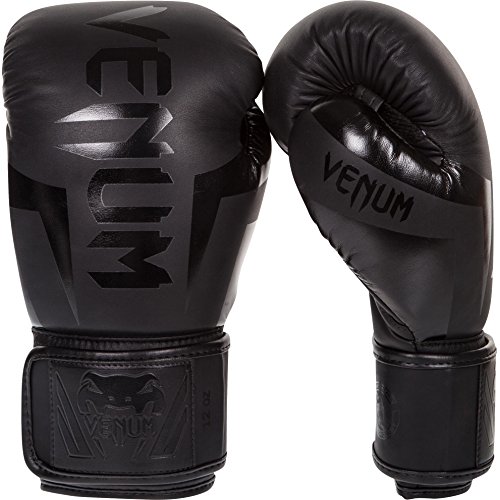
Best Beginner Boxing Gloves (2026): 3 Picks for Every Budget
Your first pair of gloves protects your hands and your training partners while you learn to throw a proper punch. The trick is getting the size and padding right: here are three pairs we'd put on a new boxer, from a gym-bag staple to a pair that lasts for years.

Best Karate Gi for Beginners (2026): 3 Picks by Weight and Feel
Your first karate gi (the white uniform) really comes down to one number: fabric weight, measured in ounces. A lightweight gi is cheap, cool, and perfect for learning, while a heavier gi feels more substantial and makes that satisfying 'snap' when you punch, but costs more and runs hot. Beginners almost always want a light gi to start, and most dojos are happy with a plain white one. The other thing to get right is sizing, since gis shrink, and buying the right belt colour (usually just a white belt to begin). Here are three good ones, from an affordable student gi to a premium heavyweight you grow into.

Best Beginner Pool Cue (2026): 3 Two-Piece Cues for Every Budget
Owning your own cue is the single biggest upgrade to your game, because house cues are usually warped, mismatched, and worn out. A good beginner cue is a straight two-piece maple stick around 19 ounces with a 13mm tip, which is the standard setup that suits almost everyone. Here are three that fit the bill, from a solid entry cue to a premium American-made stick.

Best Adjustable Dumbbells for Beginners (2026): 3 Picks for Every Budget
One pair of adjustable dumbbells replaces a whole rack, which is why they're the smartest first buy for a home gym in a spare room or apartment. The catch is the adjustment mechanism and the jumps between weights. Here are three that get it right, from a space-saving budget pair to a gym-grade set you'll never outgrow.

Best Power Rack for a Home Gym (2026): 3 Picks to Lift Safely Solo
A power rack (or cage) is the backbone of a home gym: it lets you squat, bench, and press heavy on your own, because the safety bars catch the barbell if a lift fails. Get this one purchase right and everything else is just plates and a bar. The things that matter are steel gauge (sturdiness), height (does it fit your ceiling), and the safeties. Here are three good ones, from a compact home rack to a heavy-duty cage.