Best Bowling Shoes (2026): One Shoe Slides, the Other Stops
Rental shoes have slide soles on both feet, which is why they are handed out to everyone and why they never feel right. A proper bowling shoe is asymmetric: one foot slides through the release, the other grips to push off and stop. Which foot does which depends on the hand you bowl with, and buying the wrong version means a shoe that fights every approach.
HobbyStack may earn a commission from links on this page at no extra cost to you. Our picks are chosen on merit; the commission helps fund the research.
- Performance shoes are handed. A right-hander slides on the left foot and brakes on the right.
- Athletic shoes have slide soles on both feet, so they suit either hand and both are a compromise.
- Interchangeable soles let you tune slide to the approach, which varies between houses.
- Never wear bowling shoes outside. One wet step ruins a slide sole.
- Buy your own before you buy a ball. Consistent footwork comes first.
 Our pickKR Strikeforce Flyer LiteA first pair$60Check price
 Brunswick Rampage (left hand)Committing to a hand$89Check price
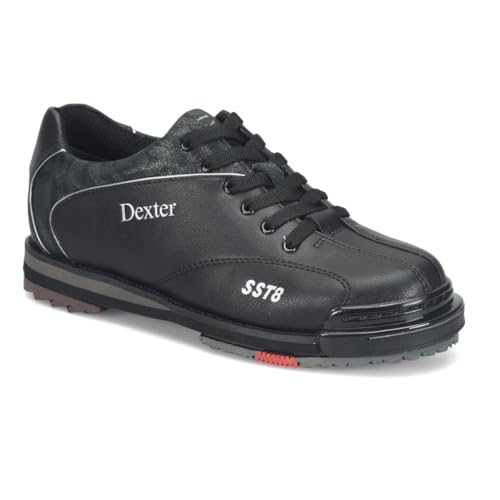 Dexter SST 8 ProTuning the approach$185Check price
Why one shoe is different from the other
A bowling delivery ends in a slide. On the last step your sliding foot travels several inches along the approach while your body decelerates and the ball releases, and that controlled slide is what stops all your momentum arriving at the foul line at once.
A right-handed bowler slides on the left foot. So the left shoe gets a smooth microfibre or leather slide sole, and the right shoe gets a rubber traction sole to push off with and to stop.
A left-handed bowler is the mirror, which is why the Brunswick here is sold specifically as a left-hand shoe — the soles are on the opposite feet, and a left-hander in right-handed shoes has a braking sole where the slide should be.
Athletic shoes sidestep this by putting slide pads on both feet, which is what the KR Strikeforce does deliberately. It means either hand can wear them, and it means the pushing foot slides a little when you would rather it gripped.
For a first pair that is a fair trade. Once your footwork is consistent, the asymmetry starts to matter.
Interchangeable soles, and why approaches differ
The surprise for most people is that approaches are not consistent between bowling centres, or even between lanes on a humid evening.
A freshly cleaned approach is slick. A busy one on a wet night picks up moisture and grips. A slide that felt right on Tuesday can stop dead on Thursday, and stopping dead at the foul line is how knees get hurt.
Interchangeable soles solve it. The Dexter here ships with a removable S8 slide sole, an H5 heel, a T2+ traction sole and an H2 Ultra Brakz heel — so you can fit more slide on a sticky approach and less on a slick one, and change the braking heel to match.
For a league bowler who plays several houses, that is a genuine performance feature rather than a specification. For someone bowling twice a year at the same place, it is a set of small parts to lose.
The other detail worth knowing is the toe drag protector: bowlers commonly drag the toe of the non-sliding shoe, which wears through the front of a slide sole. A TPU guard there is the difference between soles lasting a season and lasting a month.
 Best first pair
KR Strikeforce Flyer Lite Men's Athletic Bowling Shoe Comes
An athletic shoe with a number eight microfibre slide pad on both shoes, which is what makes it work for right- and left-handers alike — and for a first pair that versatility is worth more than the asymmetry you would get from a handed shoe you might buy for the wrong hand. The number eight pad is a middling slide, which is the sensible default before you know what your approach feels like. Woven mesh uppers breathe on a long league night, and the zero-tie elastic laces mean nothing to retie between frames. A CMEVA and rubber outsole handles the walking about. What you give up is a real braking sole on the pushing foot, so hard stops are less positive than a performance shoe gives.
What's good
- Slide pads on both shoes — works for either hand
- Number eight pad is a sensible middle slide
- Zero-tie elastic laces, nothing to retie
- Breathable mesh for a long league night
What's not
- No true braking sole on the pushing foot
- Slide is fixed — no adjusting to the approach
- Mesh uppers offer little lateral support
- Athletic-grade sole wears faster than performance soles
 Best once you know your hand
Brunswick Mens Rampage Left Hand Bowling Shoes- Black 9 1/2 M
A handed performance shoe, and this listing is the left-hand version specifically — which is the single most important thing to check before ordering, because a handed shoe bought for the wrong side puts a braking sole under your sliding foot and makes a smooth approach impossible. Right-hand versions exist. The point of committing to a hand is that you finally get the asymmetry a delivery actually wants: a proper slide sole under the sliding foot and real rubber traction under the other, so you push off positively and stop where you meant to. It sits between the athletic shoe and the fully adjustable one: better than an athletic shoe at the thing that matters, without the small parts to lose.
What's good
- Proper asymmetric soles for a real slide and a real stop
- More positive push-off than an athletic shoe
- No removable parts to lose or fit wrongly
- Performance construction at a mid price
What's not
- THIS listing is left hand — check before ordering
- Fixed soles cannot adapt to a slick or sticky approach
- Useless if you bowl with the other hand
- Wrong choice if you have not settled on a hand
 Best for tuning
Dexter Women's SST 8 Pro Bowling Shoes Black/Silver
The shoe that solves the approach-varies problem, and it does it by making every contact surface removable: an S8 slide sole, an H5 heel, a T2+ traction sole and an H2 Ultra Brakz heel all detach and swap. Bowl a slick house and fit less slide; bowl a humid, sticky one and fit more. For a league bowler moving between centres that is a real advantage rather than a specification, because a slide that grabs unexpectedly at the foul line is both a bad shot and a hurt knee. A TPU toe drag protector stops the slide sole peeling back where bowlers drag the trailing toe, which is where these shoes normally die. Made for both hands. This listing is a women's size 7.5 wide, and the range is broad.
What's good
- Every sole and heel is removable and swappable
- Adapt slide to a slick or sticky approach
- TPU toe drag protector stops sole peel-back
- Made for both left and right handers
What's not
- Three times the athletic shoe
- Small removable parts to lose
- Needs some understanding to set up usefully
- Check the size and width — listings are specific
A slide sole is untreated microfibre or leather, and it only works because it is clean and dry. One trip across a wet car park picks up moisture and grit that will not come out, and the slide either grabs or goes glassy — both of which are worse than rental shoes. Carry them in a bag, change at the centre, and change back before you leave. This is the main reason bought shoes outlast rentals.
Looking after the soles
Bowling shoes fail at the soles long before the uppers, and almost all of it is preventable.
Brush the slide sole with a wire sole brush before you bowl. It lifts the nap and clears dust, and a sole that has been sitting flat in a bag slides very differently from one that has been brushed.
Keep them off the concourse. Approach only. The area behind the approach collects spilled drink and grit, and both transfer instantly.
Never use liquid on a slide sole. People try to clean them with wipes or solvent, and it saturates the microfibre and ruins it permanently. Brushing is the whole cleaning method.
Store them with sole guards on if the shoes came with them, or in a bag that keeps the soles apart from the traction soles, which will scuff them.
Watch the toe. If you drag the trailing toe you will wear a hole through the front of the slide sole. A toe protector or a stick-on patch is far cheaper than a new pair, and worth fitting before the damage rather than after.
Before you buy
Check handedness. A handed shoe bought for the wrong side is unusable.
Athletic shoes with slide pads on both feet suit a first pair and either hand.
Interchangeable soles matter if you bowl at more than one centre.
Look for a toe drag protector if you drag the trailing toe.
Buy shoes before a ball. Footwork is the thing that has to be consistent.
Bowling shoe questions
Why do bowling shoes have different soles on each foot?
What is the difference between athletic and performance bowling shoes?
Are interchangeable soles worth it?
Can I wear bowling shoes outside?
Start with the KR Strikeforce Flyer Lite: slide pads on both shoes means it works whichever hand you bowl with, which is the right call before your footwork has settled. Move to a handed performance shoe once you are sure — and check you are ordering the correct hand, because the Brunswick linked here is the left-hand version. The Dexter SST 8 Pro earns its price if you bowl across several centres and want to tune the slide. Never walk outside in any of them.
Ready to actually do it?
The first bowling quest takes an evening, and it tells you whether the gear was worth it better than any review can.
Start BowlingThe HobbyStack editorial team researches each guide against manufacturer specifications, published resources and practitioner sources. Every product is checked for availability and described against its current listing before publication, and prices are re-checked when guides are updated.
About our editorial process →More gear guides
All guides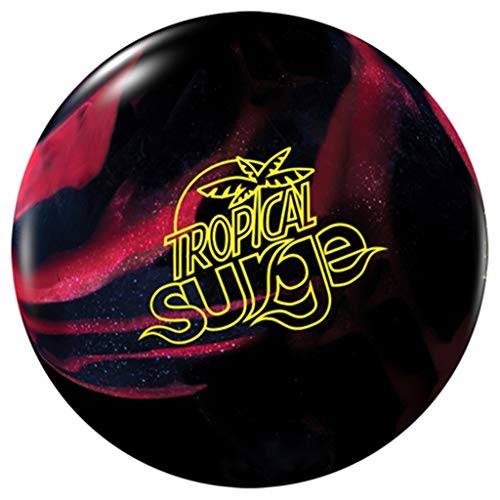
Best Beginner Bowling Ball (2026): 3 First-Ball Picks
Your first bowling ball comes down to one simple choice: do you want it to go straight and predictable, or start to hook? All three here are real starter balls, and the honest truth is that a plain plastic ball that rolls straight is the best first pick for a lot of people, because it is cheap, forgiving, and doubles as a spare ball forever. The real ladder is how much the ball hooks and how far you plan to take the game: a straight plastic ball to learn on, an entry reactive ball that hooks a little for your first league, or a versatile reactive ball you grow into. One thing matters more than which ball you buy, though, and that is getting it drilled to fit your hand at a pro shop. Here are three good first balls, and how to choose.

Best Beginner Pool Cue (2026): 3 Two-Piece Cues for Every Budget
Owning your own cue is the single biggest upgrade to your game, because house cues are usually warped, mismatched, and worn out. A good beginner cue is a straight two-piece maple stick around 19 ounces with a 13mm tip, which is the standard setup that suits almost everyone. Here are three that fit the bill, from a solid entry cue to a premium American-made stick.

Best Beginner Pickleball Paddle (2026): 3 Picks for Every Budget
The paddle is the one piece of gear that actually changes how you play, and the wall of look-alike options hides a few real differences that matter on day one. Here are three we'd hand a new player: a no-regrets budget pick, an all-around upgrade, and a control paddle worth growing into.

Best Pickleballs (2026): Indoor and Outdoor Are Not the Same Ball
Turning up with the wrong ball is the most common equipment mistake in pickleball, and it is invisible until you play. Outdoor balls are hard, heavy and drilled with many small holes so wind cannot push them around. Indoor balls are softer and lighter with fewer, larger holes. Play one where the other belongs and the game feels wrong for reasons nobody can name.
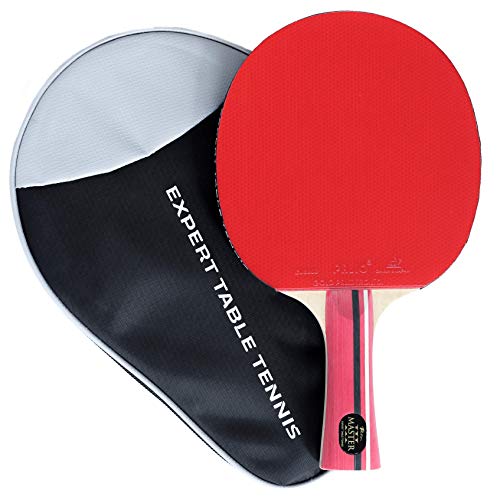
Best Ping Pong Paddle for Beginners (2026): 3 Real Rackets to Improve With
If you have only ever played with the hard, pimpled paddles from a rec-room drawer, a real ping pong paddle is a revelation: the grippy rubber lets you put spin on the ball and actually control where it goes, which is how the game is meant to feel. For a beginner who wants to improve, the sweet spot is a pre-made paddle with decent controllable rubber, not a cheap toy and not a pricey custom setup. Here are three, from the control-first paddle coaches most often recommend to a faster carbon blade to grow into.
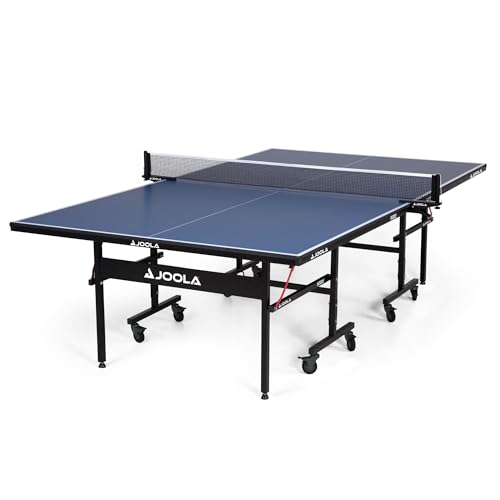
Best Ping Pong Table for Beginners (2026): From Conversion Top to Tournament
A ping pong table is a big purchase, and the first real question is not which brand but how much table you actually need and have room for. If you already have a dining or pool table, a conversion top gets you playing for a little over a hundred dollars. If you want a proper folding table you can roll away, that is the sweet spot most people should buy. And if you want tournament-grade bounce, a thicker top is the upgrade. All three picks here are from JOOLA, an Olympic table tennis brand, and they climb from topper to tournament.