Best Dutch Oven (2026): A Camp Oven and a Kitchen Pot Are Not the Same Thing
Two very different pots share the name. One has three legs and a flanged lid built to hold burning coals on top, and it is what historical recipes assume. The other is a smooth enamelled casserole for a hob and an oven. Buy the second and try to cook over a fire with it and nothing will work the way the recipe says.
HobbyStack may earn a commission from links on this page at no extra cost to you. Our picks are chosen on merit; the commission helps fund the research.
- Cooking over fire? You want legs and a flanged lid that holds coals. That is a camp oven.
- Cooking on a hob? You want a flat base and no legs. That is a casserole or cocotte.
- Bare cast iron needs seasoning and cannot hold acidic food for long. Enamel needs neither.
- Enamel chips if you thermal-shock it or knock it. Bare iron does not care.
- Historical recipes assume coals above and below. That is heat from two directions, not one.
 Our pickLodge Camp Dutch Oven 6qtFire and coals$80Check price
 Cuisinart Enamelled Casserole 5.5qtHob and oven$130Check price
 Staub Cocotte 5.5qtA pot for life$346Check price
What a camp oven has that a casserole does not
Three features, and every one of them is about cooking in a fire rather than on a stove.
Legs. Three short legs hold the pot above a bed of coals so air can reach them and they keep burning. Set a flat-bottomed casserole straight onto coals and you smother them, and the fire dies under your dinner.
A flanged lid. The rim turns up, so you can pile burning coals on the lid without them rolling off. That is the whole trick of hearth cooking: heat from below and above at once, which is what turns a pot into an oven and lets you bake bread in a field. The Lodge lid also inverts to be used as a griddle, which is a genuinely useful second function.
A bail handle. A hinged wire handle to hang the pot from a tripod over a fire, or lift it off coals with a hook without putting a hand near them.
A kitchen casserole has none of those, and it does not need them, because a hob applies heat from underneath and an oven surrounds it. The two pots are answers to different questions.
Bare iron or enamel
The other axis, and it is a real trade rather than an upgrade.
Bare seasoned cast iron — the Lodge here is made from nothing but iron and oil — has a polymerised oil layer as its non-stick surface, built up by heating thin coats of fat. It improves with use, it tolerates being dropped, scraped and put directly in a fire, and it can be restored from rust with steel wool and re-seasoning.
What it will not tolerate is long contact with acid. Simmering tomatoes or wine for hours strips the seasoning and leaves the food tasting of metal, which is a genuine constraint on what you cook in it.
Enamelled cast iron is the same iron with a fused glass coating. Nothing to season, acid is fine indefinitely, it goes in a dishwasher, and it comes in colours.
What it cannot take is shock. Chip the enamel with a metal tool or a knock and it is permanent, and thermal shock — a cold pot into a hot oven, or cold water into a hot pot — can craze it.
For hearth cooking, bare iron. For a kitchen, enamel is easier.
 Best for fire and coals
Lodge Pre-Seasoned Cast Iron Deep Camp Dutch Oven
A proper camp oven, and the only pot here that actually does hearth cooking. The flanged lid holds burning coals, so you get heat from above and below simultaneously, which is what historical recipes assume and what lets you bake in a fire. The lid inverts to serve as a griddle. Three legs keep the base clear of the coal bed so the fire keeps breathing, and a bail handle lets you hang it from a tripod or lift it off the fire with a hook. Six quarts, bare seasoned cast iron made from iron and oil with nothing else. It is also the cheapest here. What it is not is a stovetop pot: the legs make it wobble on a hob, and long-simmered acidic food strips the seasoning.
What's good
- Flanged lid holds coals — heat above and below
- Lid inverts to work as a griddle
- Legs keep the coal bed breathing
- Bail handle for hanging over a fire
What's not
- Legs make it unstable on a hob
- Needs seasoning and re-seasoning
- Long-simmered acidic food strips the seasoning
- Heavy, and heavier once full
 Best for a hob and oven
Cuisinart Chef's Classic Enameled Cast Iron Oval Covered
The kitchen answer: cast iron for the heat retention and even distribution, wrapped in porcelain enamel inside and out so there is no seasoning to maintain and no acid to worry about. That last part matters more than it sounds for historical cooking, because a great many period dishes are long-simmered with wine, verjuice or vinegar, and those are exactly what strip a bare iron pot. The interior enamel does not absorb odours or impart flavours. Flat based and induction compatible, safe on the stovetop, in the oven and under a broiler, and dishwasher safe. 5.5 quarts, oval, which suits a joint better than a round pot. What it cannot do is sit in a fire under coals.
What's good
- Enamel handles acidic dishes indefinitely
- No seasoning to build or maintain
- Induction, stovetop, oven and broiler safe
- Oval shape suits a joint of meat
What's not
- Cannot be used in a fire under coals
- Enamel chips permanently if knocked
- Thermal shock can craze the coating
- Heavier handling than it looks
 Best pot for life
Staub Cast Iron Round Cocotte 5.5-quart-Peony Pink
French enamelled cast iron with spikes moulded under the lid that catch condensing steam and drip it back onto the food, which is a real mechanism rather than a flourish — a long braise self-bastes instead of drying at the top. The enamel is heavier and better finished than the mid-range pot, and the interior is a matte black enamel that browns better than a pale gloss one, which matters if you sear in the same pot you braise in. Five and a half quarts, round. It holds heat through a very long cook. The honest position: it is three times the Cuisinart and does the same job somewhat better, and none of the extra buys you anything for hearth cooking, where the Lodge is the only correct answer.
What's good
- Self-basting spikes under the lid genuinely work
- Matte black interior browns better than gloss
- Heavier, better-finished enamel
- Holds heat through a very long braise
What's not
- Three times the Cuisinart for a modest gain
- Still useless in a fire under coals
- Enamel chips permanently like any other
- Very heavy when full
A common working rule for camp ovens is to take the diameter in inches, and use about that many coals plus three on the lid and that many minus three underneath — so a 12-inch oven takes roughly 15 on top and 9 below. The top-heavy split is deliberate: heat rises, so most of the coals go where they have to fight it. Rotate the pot and the lid a third turn every fifteen minutes so nothing sits over a hot spot.
Seasoning, and rescuing a rusty pot
Bare cast iron is the only cookware that gets better with age, and the reason is chemistry rather than sentiment.
Seasoning is polymerised oil, not a coating of grease. Thin fat heated past its smoke point breaks down and bonds into a hard plastic-like layer on the iron. Thin coats are essential — thick oil bakes sticky and flakes off, which is the most common mistake.
To season: wipe on a very thin layer of a neutral high-smoke-point oil, wipe it off again until it looks dry, then heat the pot upside down in an oven at around 450-500°F for an hour and let it cool inside. Repeat a few times for a new or stripped pot.
To rescue a rusty one: steel wool and a little oil until bare metal shows, wash, dry immediately over heat, then season as above. Rust is not the end of a cast iron pot and never has been.
Day to day: hot water and a stiff brush, dry over heat, wipe a trace of oil in. Soap is fine on established seasoning, despite the folklore.
Before you buy
Fire or hob first. Legs and a flanged lid, or a flat base and none.
Bare iron for hearth cooking, enamel if you simmer acidic dishes.
Check the lid inverts if you want a griddle out of it.
A bail handle is only useful over a fire, and essential there.
5 to 6 quarts suits most households. Bigger is heavier than you think.
Dutch oven questions
What's the difference between a camp dutch oven and a regular one?
Can I cook acidic food in bare cast iron?
How do I season cast iron?
How many coals does a camp dutch oven need?
If you are cooking over a fire, the Lodge camp oven is not the budget option, it is the only correct one — legs, a coal-holding flanged lid that inverts into a griddle, and a bail handle. If you are cooking indoors on a hob, the Cuisinart enamelled casserole handles the long acidic braises that would strip bare iron, and needs no seasoning. The Staub is the same job done a little better for three times the price. Most historical cooks end up owning one of each.
Ready to actually do it?
The first historical cooking quest takes an evening, and it tells you whether the gear was worth it better than any review can.
Start Historical CookingThe HobbyStack editorial team researches each guide against manufacturer specifications, published resources and practitioner sources. Every product is checked for availability and described against its current listing before publication, and prices are re-checked when guides are updated.
About our editorial process →More gear guides
All guides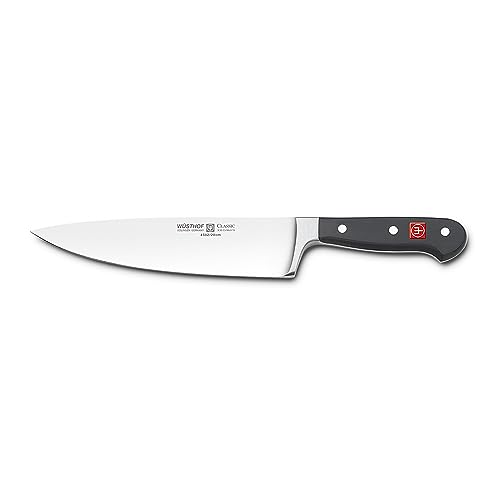
Best Chef's Knife (2026): The Only Knife Most Kitchens Need
A chef's knife does perhaps ninety percent of the cutting in a kitchen, which is why it is the one knife worth thinking about and why a block of ten is mostly storage. The choice comes down to a single trade that nobody explains at the counter: harder steel holds an edge longer and chips more easily, softer steel dulls faster and forgives almost everything.

Best Historical Cookbooks (2026): Cooking From Sources That Give No Quantities
Medieval recipes assume you already know how to cook. They rarely give quantities, almost never give times or temperatures, and end when the writer thought the point was obvious. The whole value of a good historical cookbook is the bridge across that gap, and books differ enormously in how much bridge they build.

Best Mortar and Pestle (2026): Rough Granite Beats Polished Marble
A mortar and pestle grinds by friction, so the single most important property is that the inside is rough. The beautiful polished marble sets sold as kitchen ornaments fail at this completely — spices skate around the bowl instead of breaking down. It is the most common way people buy the wrong one, and the difference is visible before you get it home.

Best Pot for Cheese Making (2026): Milk Scorches Where the Pan Is Thin
Milk is unforgiving in two specific ways. It reacts with bare aluminium and copper, which taints the curd and discolours the pan, and it scorches wherever the base has a hot spot — and once a batch has caught, the whole thing tastes of it. Both problems are solved by the same purchase, and neither is solved by watching more carefully.
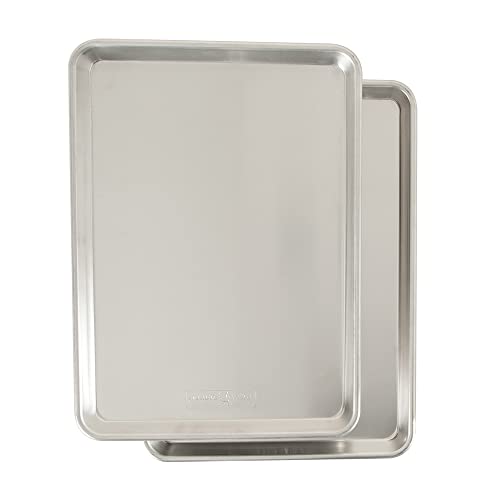
Best Baking Sheet for Beginners (2026): Why Half-Sheet Aluminium Wins
A baking sheet is the most-used pan in most kitchens and the one people spend least time choosing. The cheap ones warp with a bang the first time they hit a hot oven, and a warped sheet cooks unevenly forever after. The fix is not expensive: a heavy half sheet in bare aluminium with a rolled rim, which is what professional kitchens have used for decades.

Best Beginner Stand Mixer 2026: KitchenAid Artisan vs Classic vs Pro 600
Stand mixers are a one-time purchase that lasts decades. Pick the right KitchenAid (it's almost always going to be a KitchenAid) and you'll never need to think about it again. Pick wrong and you'll end up reselling and rebuying within 5 years.