Best Pot for Cheese Making (2026): Milk Scorches Where the Pan Is Thin
Milk is unforgiving in two specific ways. It reacts with bare aluminium and copper, which taints the curd and discolours the pan, and it scorches wherever the base has a hot spot — and once a batch has caught, the whole thing tastes of it. Both problems are solved by the same purchase, and neither is solved by watching more carefully.
HobbyStack may earn a commission from links on this page at no extra cost to you. Our picks are chosen on merit; the commission helps fund the research.
- Stainless steel, never bare aluminium or copper. Milk is mildly acidic and reacts with both.
- Ply is what prevents scorching. A thin single-layer base makes hot spots and milk catches on them.
- Buy bigger than your batch. Two gallons of milk needs headroom for stirring.
- A wide pot beats a tall one. You need to cut curds evenly across the whole surface.
- A water bath removes the problem entirely if your pot is thin.
 IMUSA 16qt StainlessVolume on a budget$33Check price
 Our pickCuisinart 12qt SetMost cheesemakers$120Check price
 All-Clad D3 6qtEven heat, small batches$236Check price
Why stainless, and what reacts
Milk sits around pH 6.7 and drops as it acidifies during cheesemaking, which makes the pot material a real decision rather than a preference.
Bare aluminium reacts with acid. It discolours, it can pit, and it transfers a metallic taste into a product whose whole point is a delicate flavour. Aluminium pans are common and cheap and wrong here.
Copper is the interesting exception. Traditional Parmigiano and some alpine cheeses are still made in bare copper vats, and the trace copper genuinely affects the culture and the flavour — but that is a controlled, traditional process, not something to replicate accidentally in a jam pan.
Stainless steel is non-reactive, which is why it is the standard. It is also a poor conductor of heat, and that is the catch: a thin stainless pot heats unevenly and makes hot spots.
Which is why good stainless cookware is clad — a layer of aluminium or copper sandwiched between stainless layers, so you get the conduction of the core and the non-reactivity of the surface. The All-Clad here is tri-ply for exactly this reason.
Enamelled steel is also non-reactive and fine, provided the enamel is undamaged.
Scorching, and how to avoid it without buying a better pot
Milk proteins denature and stick to hot metal, and once a layer has caught on the base it burns and flavours everything above it. There is no rescuing a scorched batch.
A thin single-ply base is the cause. Heat arrives from a burner in a ring or a spot, and thin stainless does not spread it, so the metal directly over the flame runs far hotter than the metal an inch away.
Three ways to deal with it.
Buy clad cookware, where an aluminium core spreads heat across the whole base. This is what you are paying for in the All-Clad.
Heat slowly and stir. Most cheese recipes ramp milk gently anyway, and constant gentle stirring moves milk off the base before it can catch. Low and slow costs nothing.
Use a water bath, which is the traditional answer and completely removes the problem: put your pot inside a larger pot of water, so the milk can never exceed 100°C and there is no direct contact with the burner at all. Many cheesemakers do this regardless of pot quality, and it makes a cheap thin pot entirely usable.
That last point matters for this comparison: a water bath makes the budget pot work.
 Best volume for the money
IMUSA 16 Qt Stainless Steel Stock Pot
Sixteen quarts of stainless steel with a lid and riveted handles for about the price of a couple of gallons of good milk, and volume is genuinely what you want here — two gallons of milk plus headroom for stirring without slopping needs a bigger pot than people expect, and this is the largest here by a wide margin. Stainless, so non-reactive with acidifying milk, which is the first requirement. Riveted handles are stronger than spot-welded ones and matter when the pot is full and heavy. The honest limitation is the base: this is single-ply stainless rather than clad, so it will develop hot spots over a burner and milk will catch if you heat it fast. Use it in a water bath and that limitation disappears entirely.
What's good
- 16 quarts — real headroom for two gallons plus stirring
- Non-reactive stainless with a lid included
- Riveted handles hold up when full
- Cheapest way to get genuine capacity
What's not
- Single-ply base makes hot spots — milk will catch
- Needs a water bath or very slow heating
- Thin walls dent more easily
- Tall shape makes cutting curds awkward
 Best for most cheesemakers
Cuisinart 4-Piece Cookware Set
Twelve quarts of Chef's Classic stainless, which is the sensible middle on both axes that matter: enough capacity for a two-gallon batch with headroom, and a heavier, better-made pot than the budget option so heat spreads more evenly and milk is far less likely to catch during a slow ramp. Cuisinart's Chef's Classic line is a long-running range built around an encapsulated base, which is the practical compromise between single-ply and full cladding — the conduction is in the base where it matters rather than up the walls where it mostly does not, for a fraction of the cost of tri-ply. It arrives as a four-piece set, so there are pieces beyond the pot itself. For someone making cheese monthly rather than professionally, this is the right amount to spend.
What's good
- 12 quarts suits a two-gallon batch with headroom
- Heavier base spreads heat far better than single ply
- Long-running range, easy to replace or add to
- A quarter the price of tri-ply
What's not
- Not fully clad — the walls are still thin
- Arrives as a set, so there are extra pieces
- Still wants slow heating and stirring
- Less even than tri-ply on a fierce burner
 Best heat, smallest batches
All-Clad D3 Stainless Steel 6 Qt Stockpot
Fully bonded tri-ply: an aluminium core running through the base *and up the walls*, sandwiched between stainless layers, which is the construction that actually solves scorching rather than mitigating it. Heat spreads across the whole vessel, so there is no hot ring over the burner and milk can be brought up without constant vigilance. Made in the USA, oven and broiler safe to 600°F, induction compatible, with a flared rim that pours whey cleanly. It is genuinely excellent cookware that will outlive you. The catch for this particular hobby is size: six quarts is small for cheesemaking, comfortable for one gallon of milk and tight for two, so the best-heating pot here is also the one that limits your batch. Handwash only.
What's good
- Fully bonded tri-ply — even heat, base and walls
- Genuinely solves scorching rather than working around it
- Induction, oven and broiler safe to 600°F
- Flared rim pours whey cleanly
What's not
- 6 quarts is small — one gallon comfortably, two is tight
- Eight times the budget pot
- Handwash only
- The best pot here limits your batch size
Put your milk pot inside a larger pot of water and heat that instead. The milk cannot exceed 100°C, there is no direct contact with the burner, and hot spots become impossible — which is exactly the problem a thin single-ply pot has. It is the traditional method, plenty of cheesemakers use it regardless of pot quality, and it means the budget pot performs like a far more expensive one.
Why wide beats tall
Stockpots are usually taller than they are wide, and for cheesemaking that shape works against you at the most important step.
Cutting the curd means slicing the set curd into even cubes with a long knife and a whisk or a curd harp, and the size of those cubes determines how much whey drains and therefore how moist the cheese is. Even cubes make even cheese.
In a tall narrow pot that is difficult: you are working down a deep column, the knife cannot reach the bottom at an angle, and the curds at the bottom end up quite different from those at the top.
In a wide shallow pot you can see and reach the whole surface, cut a proper grid, and then cut horizontally with far more control.
Depth also affects heating and stirring. A tall column of milk stratifies more, so the bottom is hotter than the top unless you stir continuously.
If you have a choice between two pots of the same volume, take the wider one. If you only have a tall pot, use less milk in it and accept the headroom.
Before you buy
Stainless or enamel. Never bare aluminium or copper.
Size up. Two gallons of milk needs 10 to 12 quarts with headroom.
Wider beats taller for cutting curds evenly.
Clad or encapsulated bases resist scorching. A water bath does too.
Check the lid is included. Many stockpots are sold without one.
Cheese pot questions
Can I use an aluminium pot for cheese making?
Why does my milk keep scorching?
What size pot do I need for cheese making?
Is a wide pot better than a tall one?
The Cuisinart 12-quart is the right buy for most cheesemakers: enough capacity for a two-gallon batch with headroom, and a heavy enough base that milk will not catch during a slow ramp. The IMUSA 16-quart gives you the most volume for the least money and is entirely usable if you heat it in a water bath, which you may want to do anyway. The All-Clad has the best heat here and only six quarts of it, which limits the batch. Stainless, wide, and bigger than you think.
Ready to actually do it?
The first home cheese making quest takes an evening, and it tells you whether the gear was worth it better than any review can.
Start Home Cheese MakingThe HobbyStack editorial team researches each guide against manufacturer specifications, published resources and practitioner sources. Every product is checked for availability and described against its current listing before publication, and prices are re-checked when guides are updated.
About our editorial process →More gear guides
All guides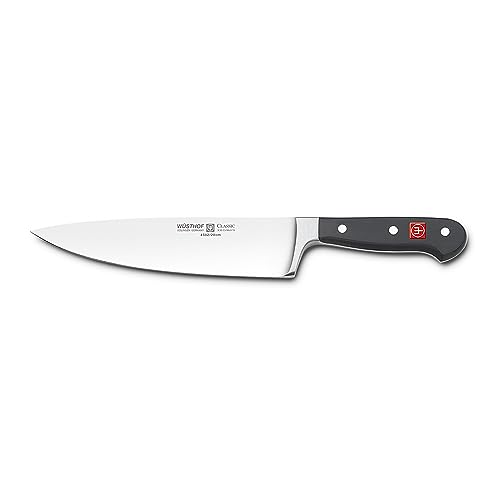
Best Chef's Knife (2026): The Only Knife Most Kitchens Need
A chef's knife does perhaps ninety percent of the cutting in a kitchen, which is why it is the one knife worth thinking about and why a block of ten is mostly storage. The choice comes down to a single trade that nobody explains at the counter: harder steel holds an edge longer and chips more easily, softer steel dulls faster and forgives almost everything.

Best Dutch Oven (2026): A Camp Oven and a Kitchen Pot Are Not the Same Thing
Two very different pots share the name. One has three legs and a flanged lid built to hold burning coals on top, and it is what historical recipes assume. The other is a smooth enamelled casserole for a hob and an oven. Buy the second and try to cook over a fire with it and nothing will work the way the recipe says.

Best Historical Cookbooks (2026): Cooking From Sources That Give No Quantities
Medieval recipes assume you already know how to cook. They rarely give quantities, almost never give times or temperatures, and end when the writer thought the point was obvious. The whole value of a good historical cookbook is the bridge across that gap, and books differ enormously in how much bridge they build.

Best Mortar and Pestle (2026): Rough Granite Beats Polished Marble
A mortar and pestle grinds by friction, so the single most important property is that the inside is rough. The beautiful polished marble sets sold as kitchen ornaments fail at this completely — spices skate around the bowl instead of breaking down. It is the most common way people buy the wrong one, and the difference is visible before you get it home.
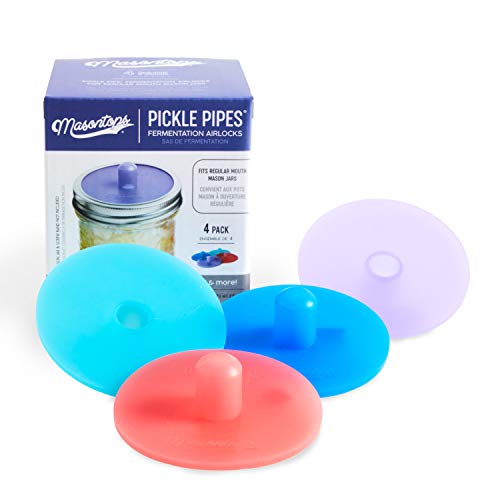
Best Fermentation Airlocks and Weights (2026): Under the Brine, Out of the Air
Vegetable fermentation asks for two things at once that sound contradictory: carbon dioxide has to get out, and oxygen must not get in. Every failure — the fuzzy white bloom, the soft mushy cabbage, the jar that pushed its lid off overnight — traces back to one of those two, and both are solved by about fifteen pounds of silicone and glass.
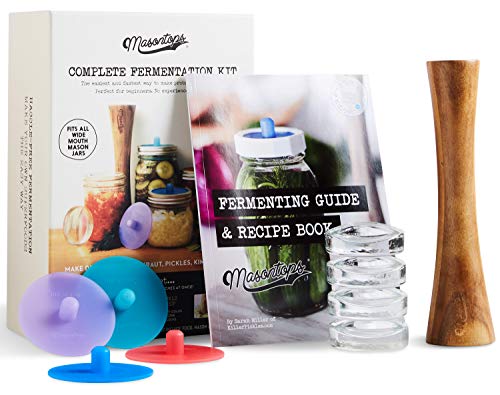
Best Fermentation Kits for Beginners (2026)
Fermenting vegetables at home: sauerkraut, kimchi, pickles, needs surprisingly little: a container that keeps air out, a way to hold the vegetables under the brine, and salt. A kit bundles that so your first batch turns tangy and safe instead of moldy. Here are three, from a cheap mason-jar kit to a traditional crock.