Best Fineliner Pens for Sketching (2026): Waterproof, Lightfast, and Which Width
The moment that decides which pen you want is putting a watercolour wash over a finished line drawing. A dye-based pen dissolves and grey-blue bleeds through everything you have done. A pigment pen sits there. That is the entire specification, and it is why sketchers are so specific about brands.
HobbyStack may earn a commission from links on this page at no extra cost to you. Our picks are chosen on merit; the commission helps fund the research.
- You want pigment ink, not dye. Pigment is waterproof once dry and does not fade.
- "Waterproof" needs a minute or two to dry. Wash too early and it will still lift.
- 0.3mm is the most useful single width. Buy a set if you want range.
- Archival and lightfast means the drawing survives a decade on a wall.
- One pen you always carry beats a set that lives at home.
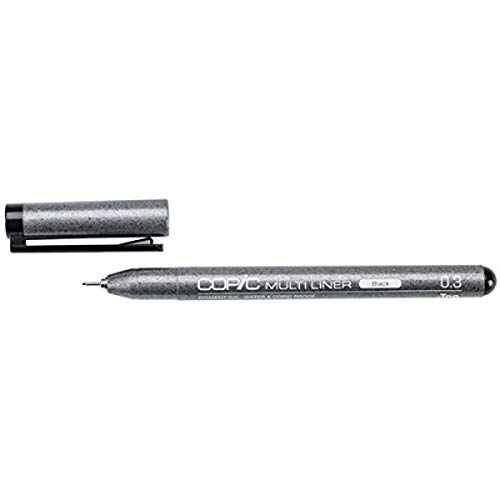 Copic Multiliner 0.3mmTrying one$5Check price
 Staedtler Pigment Liner 0.1mmFine technical work$15Check price
 Our pickSakura Pigma Micron, 10 setMost sketchers$19Check price
Pigment against dye, and what "waterproof" really means
Ink comes in two families and the difference decides everything.
Dye ink is colour dissolved in liquid. It flows beautifully, comes in vivid colours, and it re-dissolves whenever it gets wet again. It also fades in sunlight, sometimes within months. A standard rollerball or fineliner from a stationery shop is almost always dye.
Pigment ink is solid particles suspended in liquid. Once the liquid has gone, the particles are physically sitting in and on the paper, so water does not move them. It is far more lightfast, which is what "archival" means on a pen barrel.
Every pen here is pigment. That is not a coincidence — it is why they cost more than a biro.
The caveat that catches people out: waterproof means waterproof once dry, and dry takes longer than it looks. Thirty seconds on smooth paper, a couple of minutes on heavy cotton watercolour paper that has absorbed the ink deeper. Wash over it too soon and it lifts, and people conclude the pen was mislabelled.
Give it a minute. Test on a corner of the same paper first.
Which widths you actually use
Sets go up to ten pens and most sketchers use three of them.
0.1 to 0.2mm — fine detail, hatching, texture, distant windows. Delicate, and on rough paper the tip catches and skips.
0.3mm — the workhorse. Fine enough for detail, dark enough to read as a line from across a room. If you own one pen, own this one.
0.5mm — weight and emphasis, foreground edges, anything that needs to come forward.
0.8mm and up — filling shadow, thick contour, the marks that give a sketch structure at a glance.
The useful principle is line weight as depth: heavier lines read as nearer, lighter as further away. A drawing done entirely in one width looks flat no matter how accurate it is, and three widths used deliberately does more for a sketch than any amount of technical accuracy.
So: one pen to start, and if you buy a set, use the extremes rather than staying safely in the middle.
 Best single pen
Copic Marker Multiliner Ink Pen, 0.3mm Tip, Black
One pen at 0.3mm, which is the most useful single width there is — fine enough for detail, dark enough to read as a line. The ink is permanent, low-odour and acid-free, so a drawing made with it will still be there in a decade. Copic Multiliners are made to work under Copic markers without the line lifting, which is the same property that matters under a watercolour wash. The other virtue is the price: cheap enough to keep one in a coat pocket, a bag and a sketchbook, and one pen you always have on you is worth more than a set of ten at home. Note the Amazon listing carries a stray bullet about twelve grey markers that belongs to a different product; this is a single black pen.
What's good
- 0.3mm is the most useful single width
- Permanent, low odour, acid-free
- Cheap enough to keep one everywhere you might sketch
- Does not lift under markers or a wash
What's not
- One width only
- Listing has a stray bullet from a different product
- Not refillable at this price point
- Fine tips fray on rough paper over time
 Best for fine technical work
Staedtler Pigment Liner, Fineliner Pen
Five pens at 0.1mm, aimed at technical and fine art drawing, and the two things that distinguish them are worth knowing. The tip is a long metal sleeve rather than plastic, so it does not splay under pressure and it runs cleanly along a ruler or stencil — which is exactly what plastic-tipped fineliners do badly. And the ink is dry-safe: leave the cap off for hours and it still writes, which sounds like a small thing and is not, because uncapped pens are the main way fineliners die. The ink is lightfast. 0.1mm is very fine, so this is a hatching and detail set rather than a general one; on rough watercolour paper the tip will catch.
What's good
- Long metal tip runs cleanly along a ruler
- Dry-safe ink survives the cap being left off
- Lightfast, so drawings do not fade
- Five pens of a width you will use up
What's not
- 0.1mm only — no line weight variation
- Very fine tips catch and skip on rough paper
- Too delicate to be your only pen
- Not the set to buy first
 Best for most sketchers
Sakura Pigma Micron fineliner pen 10 piece black ink colour
Ten pens spanning 0.15mm to 0.7mm — sizes 003, 005, 01, 02, 03, 04, 05, 08, 10 and 12 — which is the full working range in one box and the reason this is the pick. Line weight is what gives a sketch depth: heavier lines read as nearer, lighter as further, and a drawing made entirely in one width looks flat however accurate it is. Owning the extremes is what lets you use that. Pigma Micron ink is the reference standard for archival pigment ink among sketchers, genuinely waterproof once dry and lightfast enough for framed work. The honest note: you will use three or four of the ten heavily and the rest occasionally, which is fine, because the three you use are the ones you would have chosen wrongly buying singly.
What's good
- Full 0.15–0.7mm range, so you can vary line weight
- The reference standard for archival pigment ink
- Genuinely waterproof once dry, and lightfast
- Cheaper per pen than buying singles
What's not
- You will use three or four heavily and the rest rarely
- Fine sizes clog if stored tip-up and unused
- Plastic tips splay if you press hard
- Not refillable
Waterproof means waterproof once dry, and heavy cotton watercolour paper absorbs ink deeper than smooth paper does, so it needs longer — thirty seconds on smooth stock, a couple of minutes on rough. Wash too early and the line lifts, and most people blame the pen. Test on a corner of the same paper before committing to a drawing.
The paper matters as much as the pen
A good pen on the wrong paper performs worse than a cheap pen on the right one.
Smooth paper — hot pressed watercolour, cartridge, most sketchbook stock — lets a fine tip glide, keeps detail crisp, and does not chew the nib. Best for fine work and anything under 0.3mm.
Rough or cold pressed paper has a texture the tip catches on. Lines break up, which can look wonderful and will destroy a 0.1mm nib fairly quickly. Use wider tips on rough stock.
Weight matters if you wash. Anything under about 200gsm will buckle when wet, and a sketch on a wavy page is hard to love. 300gsm cotton stays flat.
Sizing — the coating that controls absorbency — decides how long the ink takes to dry. Heavily sized paper keeps ink on the surface, so it dries slower but stays crisper.
If you are sketching outdoors and want to add colour, a small hardback book of 300gsm hot pressed paper is the combination that fights you least.
Before you buy
Pigment ink, not dye. Check the barrel says pigment or archival.
0.3mm if you buy one pen. It does the most jobs.
A set is worth it for the extremes, not the middle.
Let it dry a minute before washing, longer on rough paper.
Store pens flat or tip-down so the fine ones do not dry out.
Fineliner questions
What makes a pen waterproof for watercolour?
Why did my waterproof pen bleed under a wash?
What size fineliner should I buy first?
Are fineliner sets worth it over single pens?
The Sakura Pigma Micron set is the buy for most sketchers: ten widths from 0.15 to 0.7mm, the archival pigment ink everyone else is measured against, and the range you need to vary line weight and stop drawings looking flat. Take the single Copic Multiliner in 0.3mm if you would rather try one pen and keep it in a pocket. The Staedtler 0.1mm set is a fine-detail tool with a metal tip that beats plastic along a ruler. And let the ink dry before you wash.
Ready to actually do it?
The first urban sketching quest takes an evening, and it tells you whether the gear was worth it better than any review can.
Start Urban SketchingThe HobbyStack editorial team researches each guide against manufacturer specifications, published resources and practitioner sources. Every product is checked for availability and described against its current listing before publication, and prices are re-checked when guides are updated.
About our editorial process →More gear guides
All guides
Best Portable Watercolor Set (2026): "Hue" Means a Substitute Pigment
The word doing the most work on a watercolour pan is "Hue". It means the colour is made with a cheaper substitute rather than the pigment the name refers to, and Winsor & Newton say so plainly about their student range. That is the student-versus-artist line, and it explains most of the price gap.

Best Graphite Pencils for Beginners (2026): 3 Picks
Graphite pencils come in a range of grades, from hard (H) that make light, thin lines to soft (B) that make dark, smudgy ones. For a beginner, the one spec that actually matters is getting a set that spans that range, roughly 2H to 8B, so you can shade properly instead of pressing harder on one pencil. Any of these three will do that.
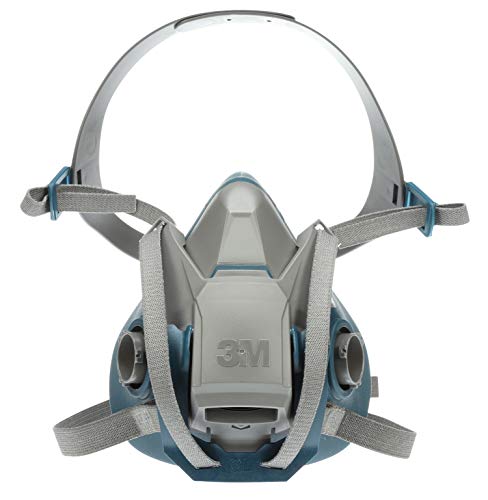
Best Respirator for Spray Painting (2026): An N95 Does Not Stop Solvent
The most common safety mistake in spray art is wearing a white dust mask and believing it is doing something. An N95 filters particles. The hazard in aerosol paint is mostly solvent vapour, which is a gas, and it passes through a particulate filter as if it were not there. You need a cartridge with activated carbon in it, and the two look nothing alike.
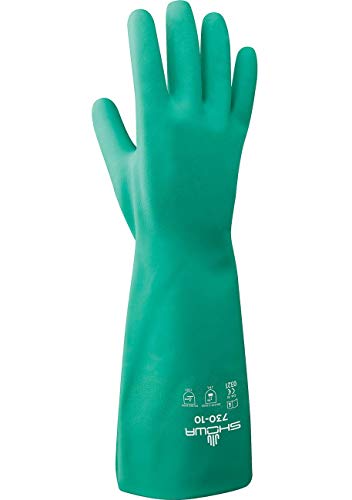
Best Gloves for Spray Paint (2026): Thickness Is Time
Solvents go through skin. Not around it, through it, and into your bloodstream — which is why the relevant number for a chemical glove is not what it is made of but how long it takes the chemical to get through. A thin disposable glove against xylene is measured in minutes, and most people assume it is measured in hours.

Best Beginner Acrylic Paint Set 2026: Liquitex BASICS and Where to Start
Acrylics are the best paint to start with: fast-drying, water-cleanup, and forgiving, but the cheapest craft-store paints are so thin and chalky they'll put you off. The fix is student-grade acrylics with real pigment, which cost barely more. Here are three sets, from the beginner standard to a pro-quality upgrade.

Best Canvas for Painting (2026): Cotton, Linen, and What Primed Really Means
Almost every cheap canvas says pre-primed, and almost every painter adds more primer anyway. Factory gesso is applied thinly to keep costs down, so paint sinks into the weave, colours dry dull and you use two or three times as much of an expensive tube as you needed to.